The University of Minnesota is investing millions in a quest to understand aging and why some people feel and look much younger or older than their birth dates suggest.
When it opens next summer, the U’s Institute for Healthy Aging will pursue, test and then provide strategies that help people achieve biological ages that are lower than their chronological ages, said Dr. Tim Schacker, executive vice dean for the University of Minnesota Medical School.
Biological age refers to the relative change over time in bodily and cellular function rather than how long a person has been alive.
“You could be a healthy, active 70-year-old and your biological age might be 55 or 60, something like that,” Schacker said. “You could be 70 but your biological age is 85. That’s the equation we want to change.”
Philanthropic support of nearly $55 million is kickstarting the institute, which will feature a clinic in St. Louis Park. The institute also will be a hub of geriatric care for Minnesota’s rapidly aging population and a training ground for the next generation of geriatricians.
But Schacker said it will be unique nationally in its pursuit of healthy aging.
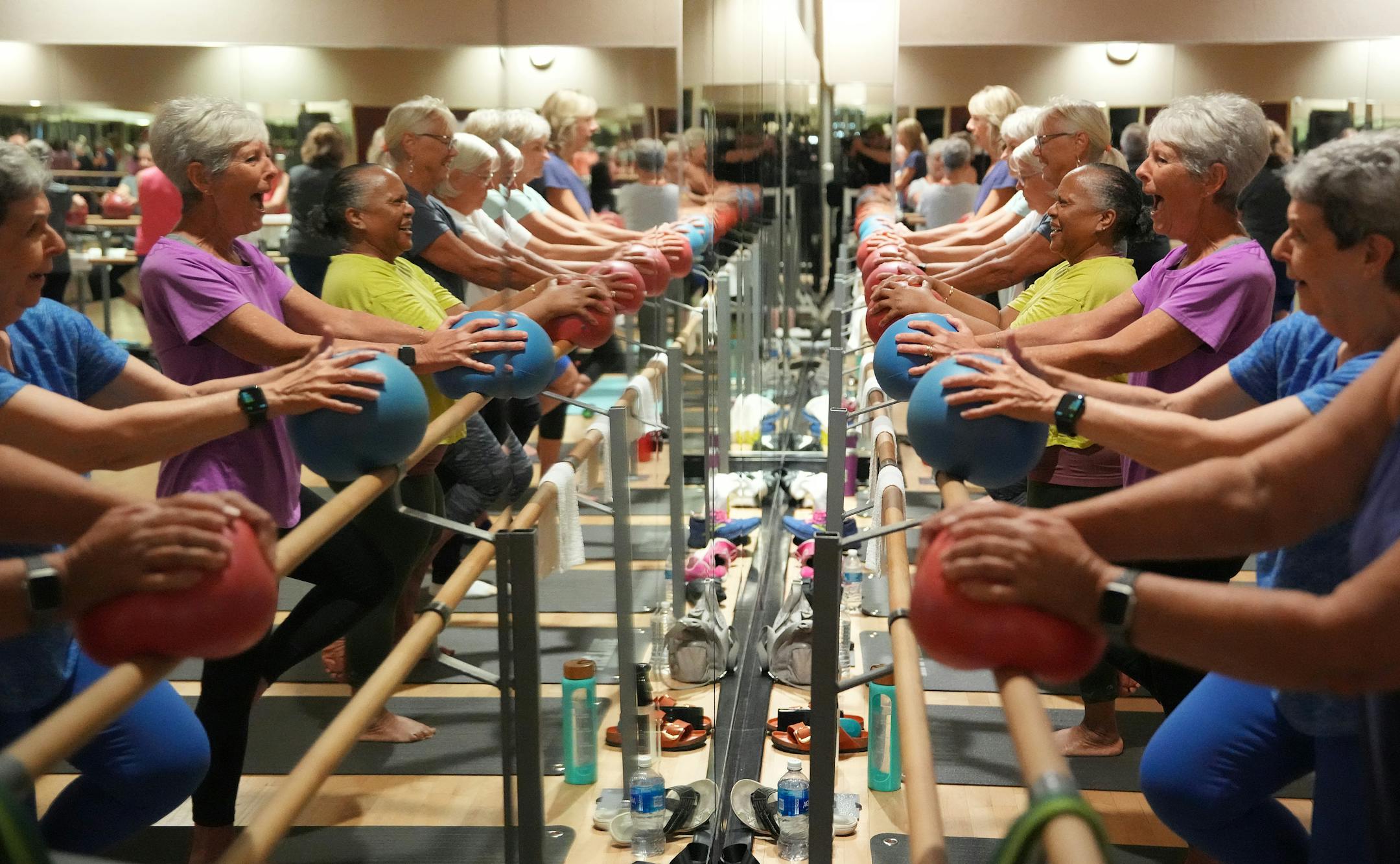
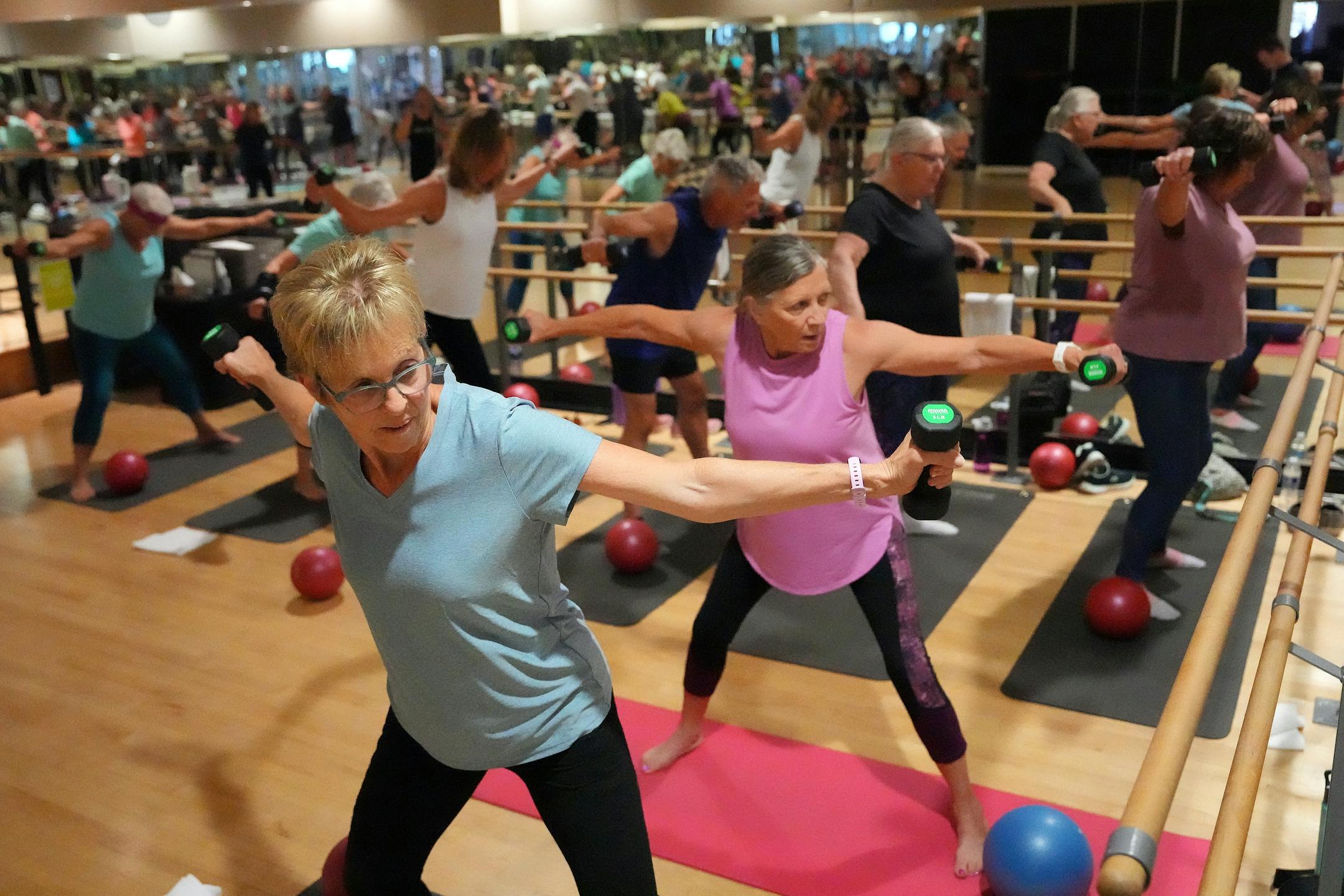
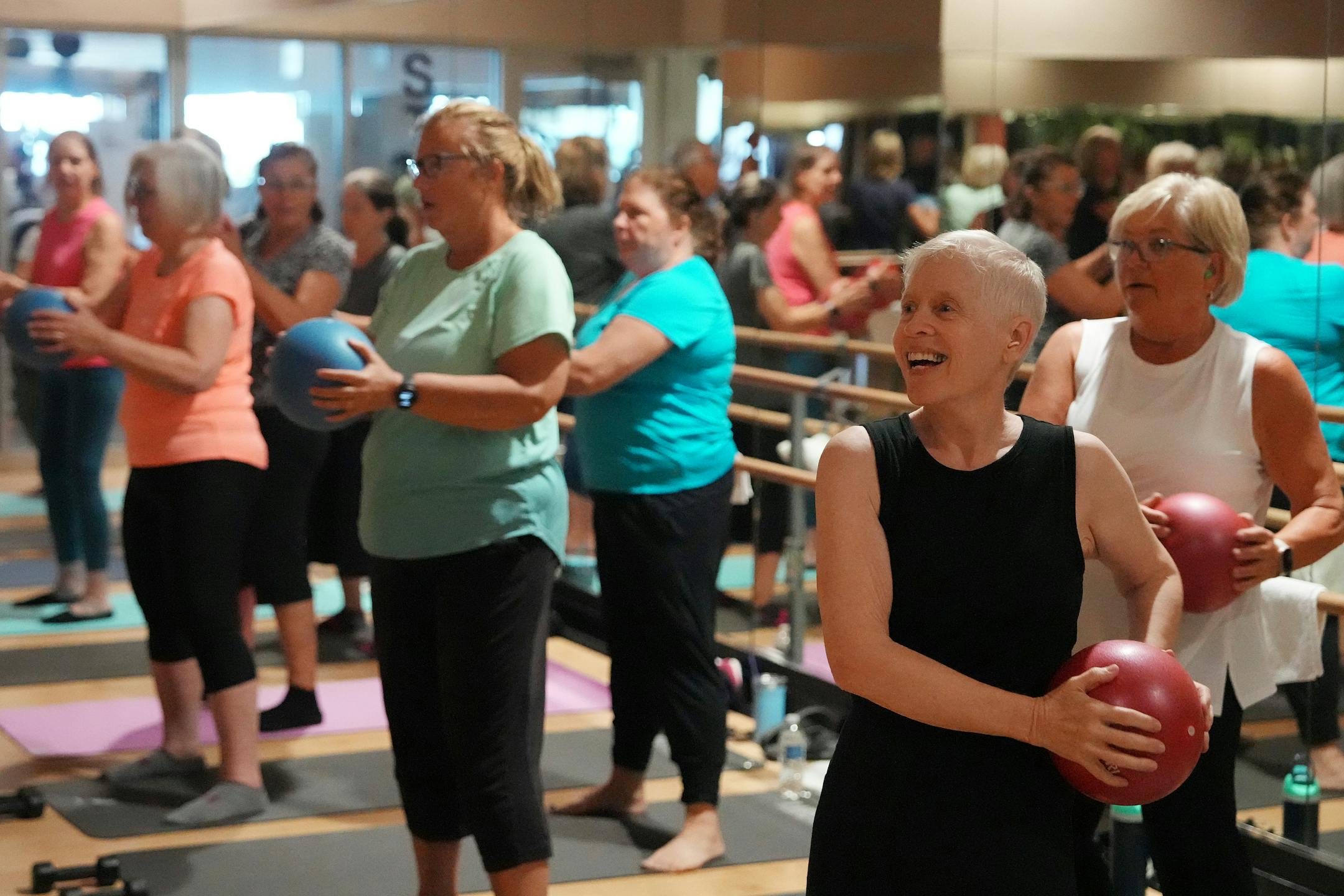
The institute will literally be in a race against time. Minnesota for the first time has more senior citizens than school-age children, and its population of 1 million elderly residents is projected to reach 1.2 million by the end of this decade.
“We want to step in at an earlier age with interventions that will allow people to age in a healthy way,” Schacker said. “It isn’t that we’re trying to [delay] death so people can live longer. That would be wonderful, I suppose, but that’s not the goal. The goal is to live healthier so you don’t get all of the comorbidities that are associated with aging.”