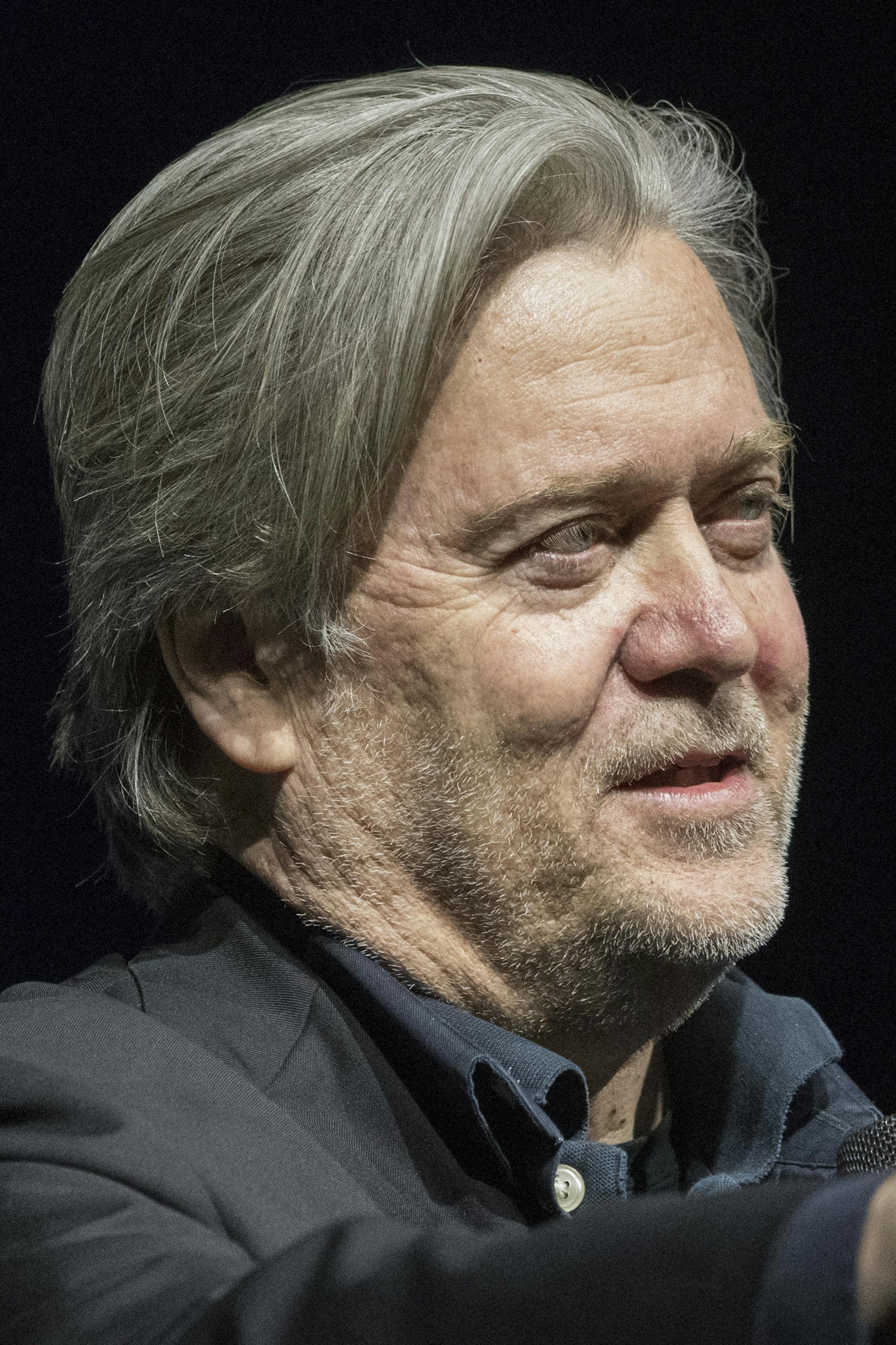
Steve Bannon went to Italy to root for the neo-fascists and populists who trounced Italy's traditional parties in this week's election.
Donald Trump's ex-chief political strategist, who avidly encouraged the president's most populist and nationalist instincts, now sees Italy as the model for the American future. He claims that Italy's anti-establishment, anti-immigrant parties — which avidly embrace conspiracy theories and idolize Vladimir Putin — light the road that America must follow.
"The Italian people have gone farther, in a shorter period of time, than the British did for Brexit and the Americans did for Trump. Italy is the leader," Bannon crowed to the New York Times.
Yet I believe the lesson of Italy's election for Americans is the opposite of Bannon's fantasy: The Italian example lays bare a nightmare Americans still have the chance to avoid.
A word about why I am quoting Bannon: He is toast in D.C. (and was dumped as editor of Breitbart, the alt-right "news" site). Yet Trump still swears by Bannon's worldview. And despite stark differences in U.S. and Italian history, culture and constitutional systems, Italy's populist pivot hints at where our politics are heading.
So what exactly happened in Italy and how does it relate to the United States?
Italian voters' anger at economic inequality and massive immigration flows from Africa led to the total repudiation of Italy's traditional center-left and center-right parties.
On the center-left, the governing Democratic Party of Matteo Renzi dropped from 40 percent in the last election to around 18 percent, having failed to deliver on economic promises.