

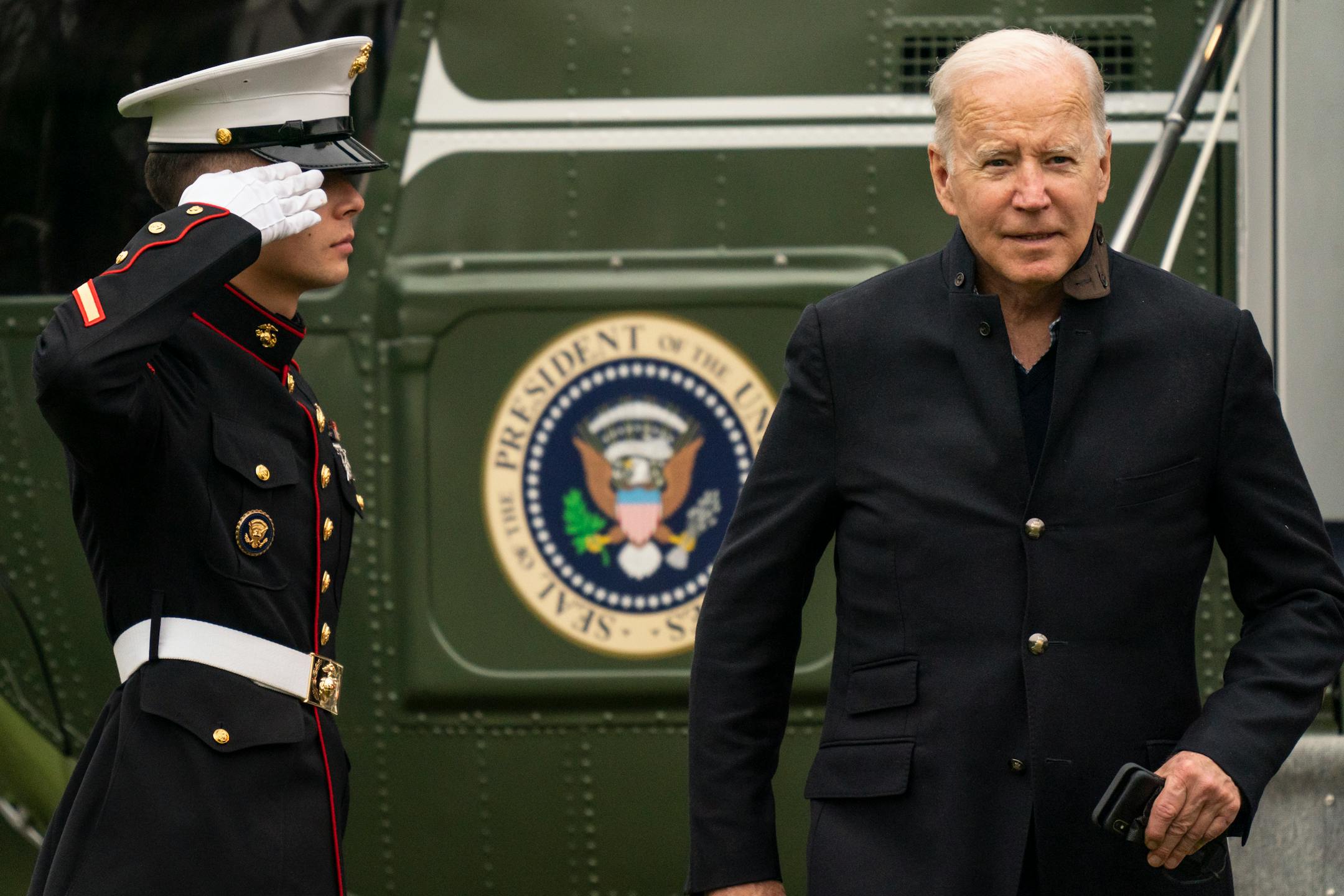
Joe Biden turned 79 last week. He's beginning to look his age.
The president walks a little more stiffly now. His diction, once clear, sometimes sounds a little blurry. His syntax has always been ragged; that hasn't changed.
Like most of us, he gets tired at the end of a long day. At the U.N. climate summit in Scotland, he took his seat in the conference hall to hear the opening speeches and promptly appeared to doze off.
None of this appears to be clearly affecting his job. Last week he signed a $1 trillion infrastructure bill, a feat his predecessor was unable to perform at the comparatively young age of 70. He's in the middle of negotiations for the Senate version of his big social spending bill; if it passes, he'll deserve much of the credit.
There's no evidence that he's suffering from senile dementia, no matter how often ghoulish critics stitch together video clips of his gaffes. They seem to have forgotten that Biden has generated gaffes for half a century.
And yet the president's age still creates a political burden — one he doesn't need at a time when many voters have turned sour on him.
Voters, especially elderly ones who notice their own faculties eroding, worry that someone as old as Biden won't be able to do the job. He often faced that question when he began his third campaign for president in 2019. He often responded by challenging the questioners, including an 83-year-old Iowa farmer, to pushup contests.
Unlike a younger president, he has to demonstrate his continued competence every month. Unfair? Not really; the people he works for are entitled to ask.


