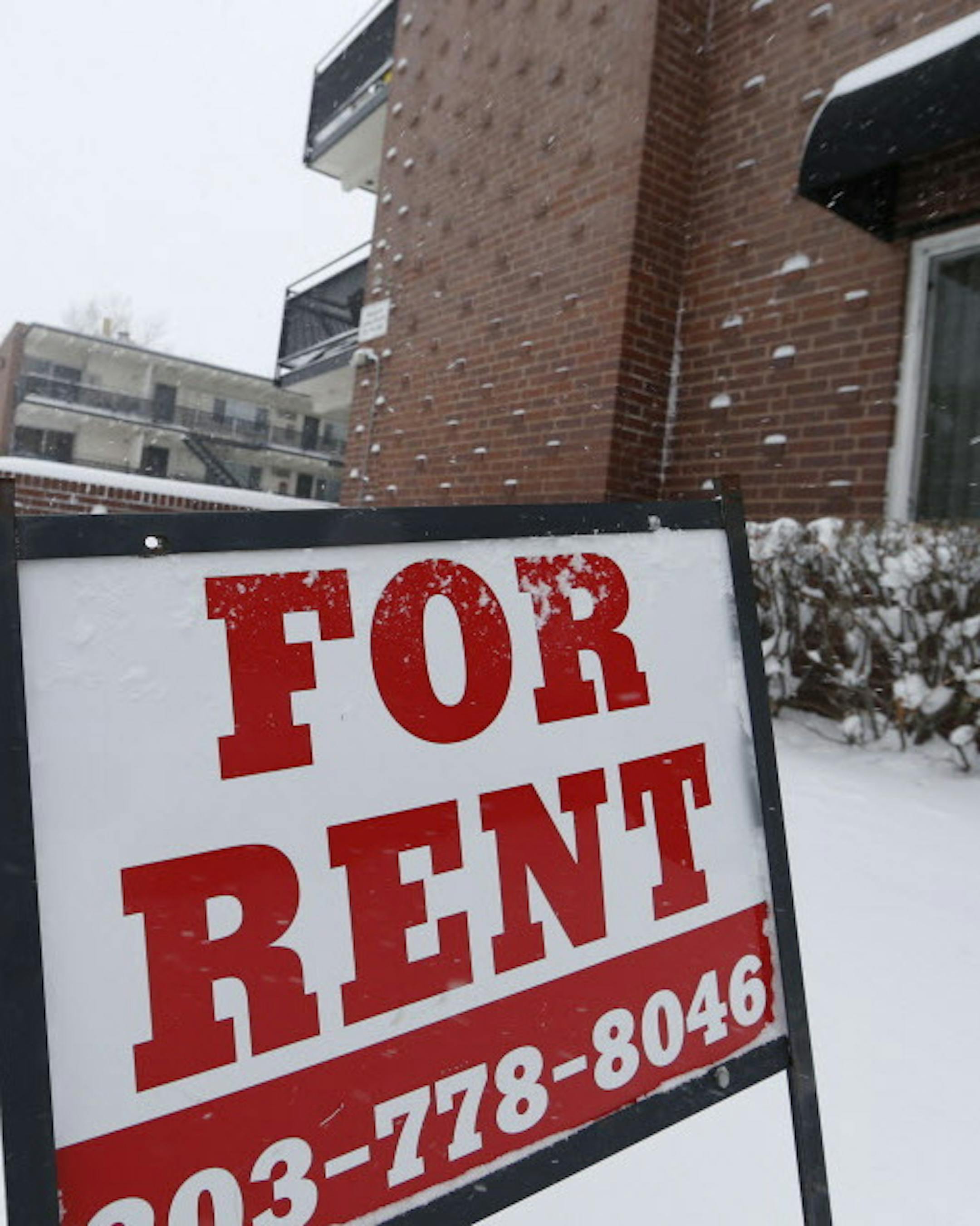
We all have a big financial stake in housing — as homeowners, renters, landlords and/or taxpayers.
Let's consider the major macroeconomic trends in 2016 that will significantly impact those stakes.
• Homeowners should enjoy another year of solid gains in house prices. Prices have been moving steadily higher since the housing bust hit bottom four years ago and should post another gain in the middle single digits. With a bit of luck, prices nationwide could reach close to the all-time peaks seen in the housing bubble a decade ago.
This time, however, house prices are on very solid foundations; they are supported by homeowners' incomes. In the bubble, too many of us got into homes we couldn't afford by committing to mortgages that made no financial sense. Of course, millions defaulted on these loans, resulting in the financial crisis and the Great Recession.
No one is getting crazy mortgages today. Regulatory changes in the wake of the crisis and chastened (thus more cautious) mortgage lenders make that all but impossible.
The financial affliction of negative homeowners' equity, in which the house is worth less than the mortgage due, is fast fading. At the worst of the problem, close to 17 million homeowners were underwater. By the end of 2016, that should be down to a more typical 5 million homeowners.
Market conditions should be good for owners looking to sell their homes. The historically low number of new and existing homes for sale makes it even more of a seller's market. Many homeowners appear to have a psychological antipathy to selling until prices have fully recovered from the bust, so this could be an auspicious time for those willing to sell.
Home buyers have to grapple with the higher prices and lack of inventory, but they should benefit from an improving job market, continued low mortgage rates and easier credit. With the economy set to achieve full employment in coming months, the so-far lackluster wage growth is picking up. Fixed mortgage rates are unlikely to stay below 4 percent for much longer, but they don't appear set to rise sharply either.