

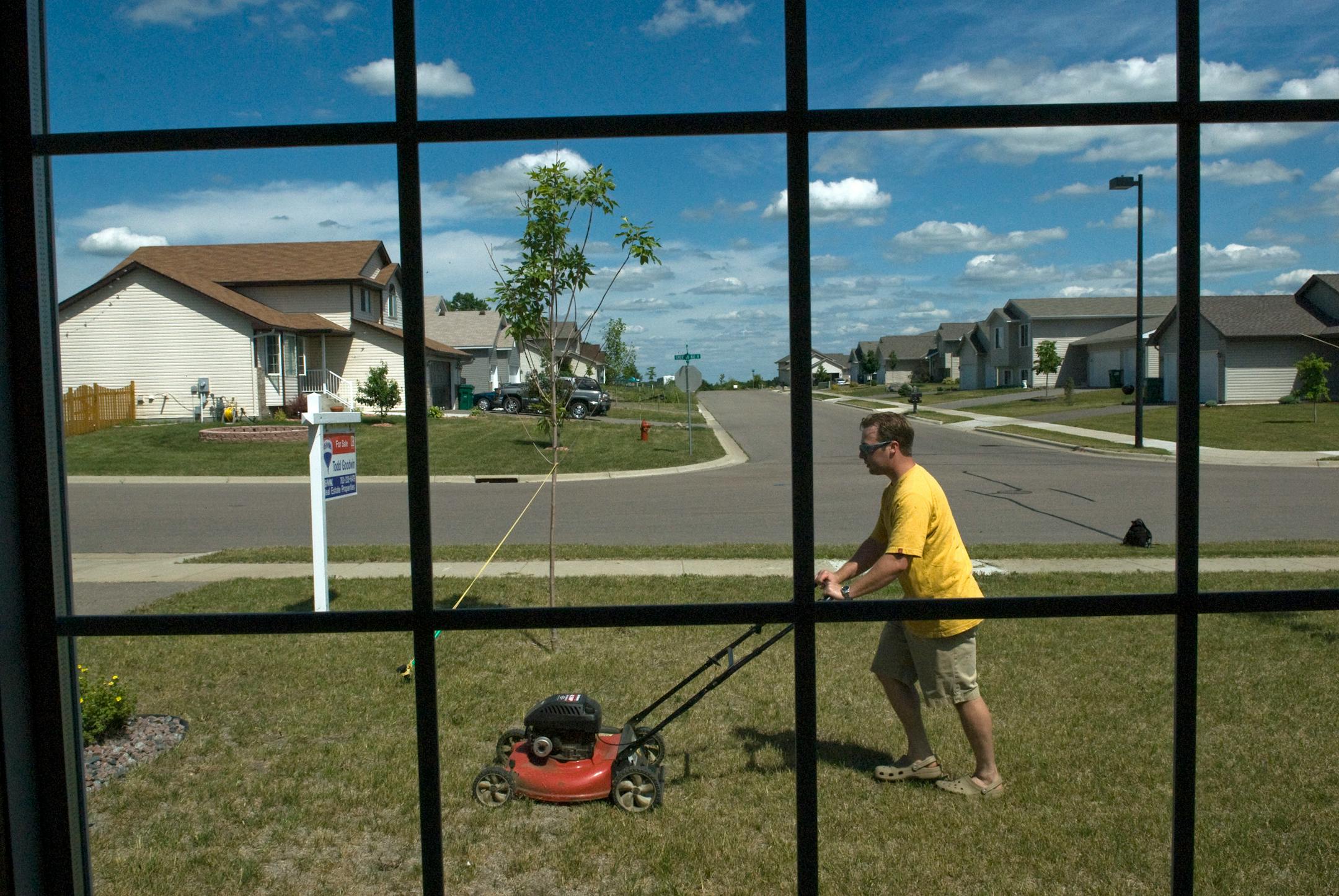
Becoming a landlord wasn't in David Nelson's plans. But when he couldn't sell his Brooklyn Park home and had to make payments on two mortgages -- he built a new home in Ogilvie -- finding a renter seemed like the best option. First he had to learn about the many details related to running a rental property, such as obtaining a rental license from the city and setting up a limited-liability company to protect his assets.
Although he was concerned about the financial risks and his ability to find a renter who would pay on time and respect his property, within a week Nelson had a one-year lease for $1,895 a month -- enough to cover his mortgage payment.
"I'm happy with how it turned out," he said.
Nelson is among the growing numbers of "accidental landlords" who are renting out their single-family homes, but are finding that owning rental property is more work than just collecting rent payments. The main reason many turn to rentals is that they have a house to sell because they've already bought a new one and they're waiting for the soft housing market to rebound. The trend is creating a bumper-crop of inexperienced landlords, many of whom are reaching out for help.
"Some people who call have heard horror stories about having property ruined and want to make sure their investment is protected," said Tina Gassman, spokeswoman for the Minnesota Multi-Housing Association, which provides education on rental property management.
The group also hosts networking opportunities, which are important because so many first-time landlords are nervous and they rely on tips from more experienced members.
The MMHA advises homeowners to check if their city requires a rental license and an inspection before a property can be rented -- Brooklyn Park, Golden Valley, St. Paul and Minneapolis are some of the cities that have such ordinances.
Sara Lassila, CPA at HG&K Ltd. in Minnetonka, said homeowners also need to check their loan agreements -- some types of mortgages have language that prohibits leasing the home.



