On a Friday evening in July 1925, about 30 people crowded into a basement on West 88th Street in Manhattan for a presentation by Mrs. Cecil Cook, a spirit medium.
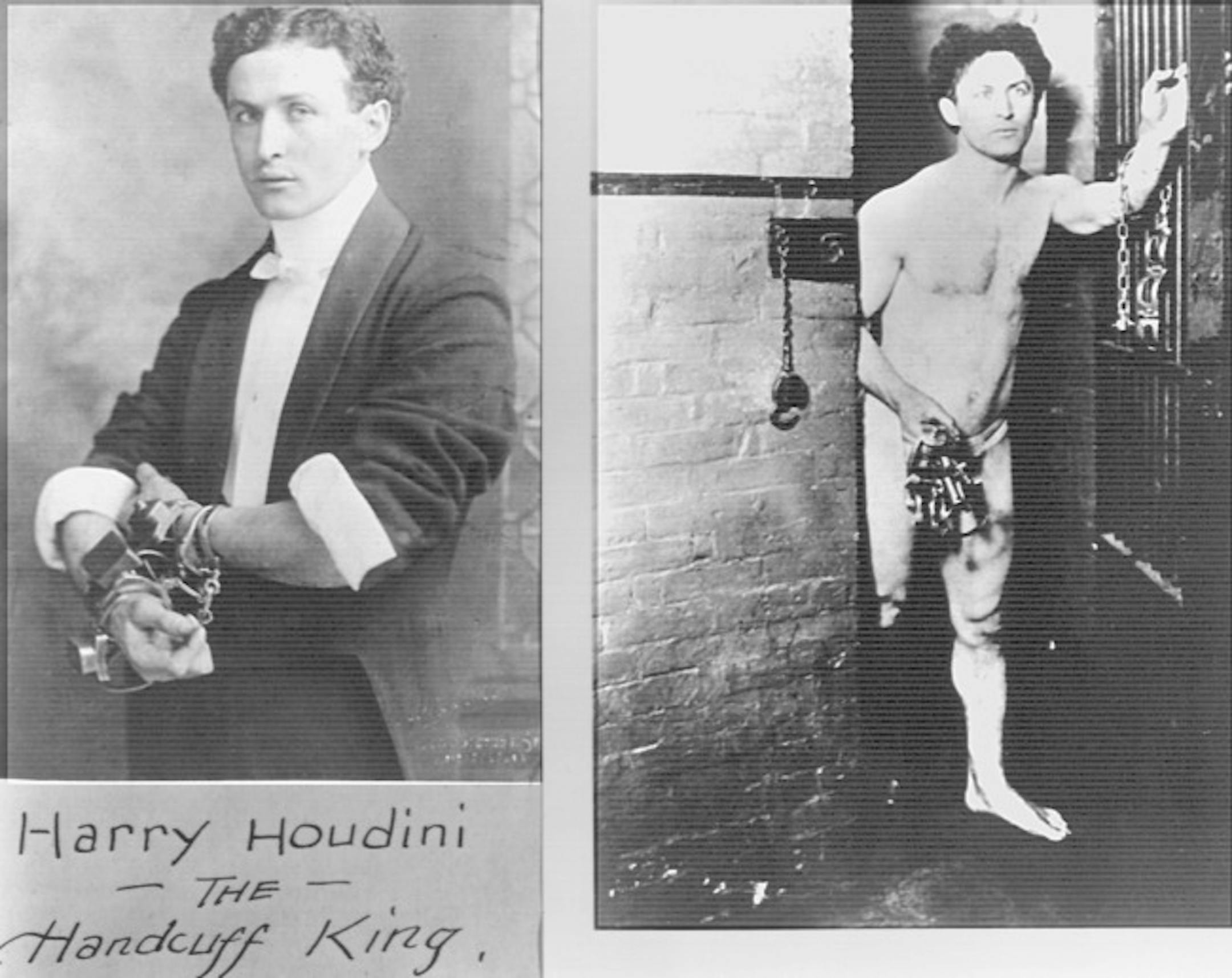
A pan of water and two silver trumpets were placed on a table beside her. After collecting a $1 donation from each member of the audience and leading them in a hymn, Cook turned off the lights and helped an elderly gentleman and a woman connect with deceased relatives. Suddenly, a beam of light revealed Cook with her lips held to the trumpet. A decrepit-looking man stood up, tore off his wig, brandished his flashlight and proclaimed, “I am Houdini.”
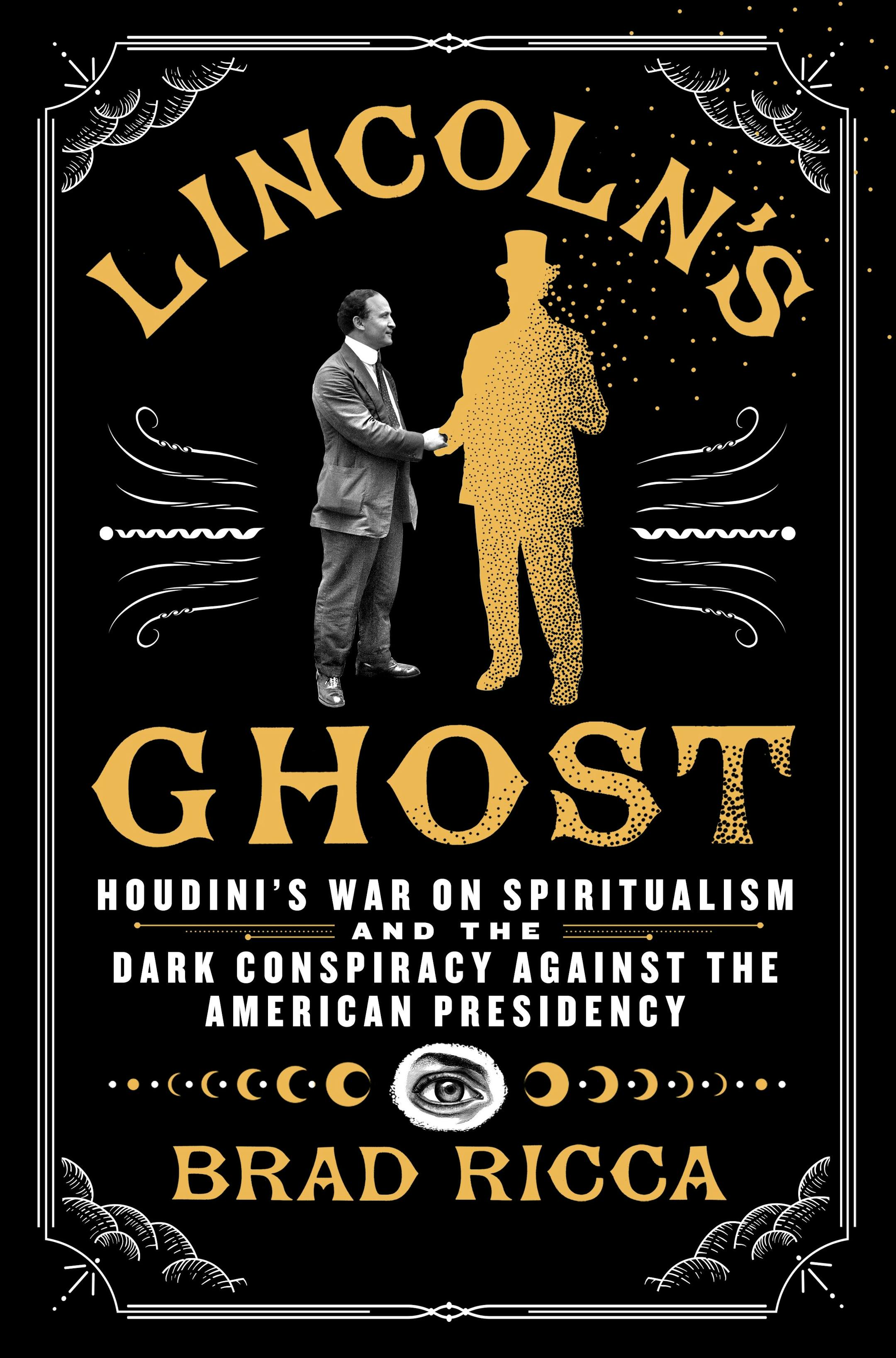
In “Lincoln’s Ghost,” Brad Ricca — the author of, among other books, “Mrs. Sherlock Holmes” — draws on episodes like this one and Houdini’s testimony to Congress to tell the story of the great magician’s war on the lucrative business of fortune-telling and seances, which purported to relay messages to departed loved ones.
Often engaging and informative, “Lincoln’s Ghost” is a flawed book. Houdini, Ricca reveals, had great respect for Abraham Lincoln and was interested in the president’s premonitions and in reports that John Wilkes Booth, Lincoln’s assassin, was not killed by a Union soldier on April 26, 1865. But “Lincoln’s Ghost” has little to say about these subjects or “the dark conspiracy against the American presidency,” as its subtitle promises.
Alas, Ricca also recycles speculation — including, for example, claims that Harry and Bess Houdini were childless because she was “intersex.”
Alarmingly, in notes at the end of his book, Ricca makes what readers should take as a troubling acknowledgement: “In certain spots I have characterized certain scenes and even, in a few spots, dialogue that I have taken from other sources of the same speaker or imagined around facts.”
That said, Ricca is a gifted storyteller, and “Lincoln’s Ghost” is at its best when he provides vignettes that illuminate the beliefs and practices of his subjects.
Hired as a teenager because of her quick wit and logic, Rose Mackenberg, Houdini’s “right-hand gal,” confessed after her mentor died that she used three disguises “to break up the phony spook racket”: a naive country girl; a wealthy woman who would pay plenty of money to get advice from a loved one; and a dimwit, ripe for exploitation. What she learned, Rose told a friend, was that “as long as people have troubles, mediums will have business.”