

Opinion editor's note: Star Tribune Opinion publishes a mix of national and local commentaries online and in print each day. To contribute, click here.
•••
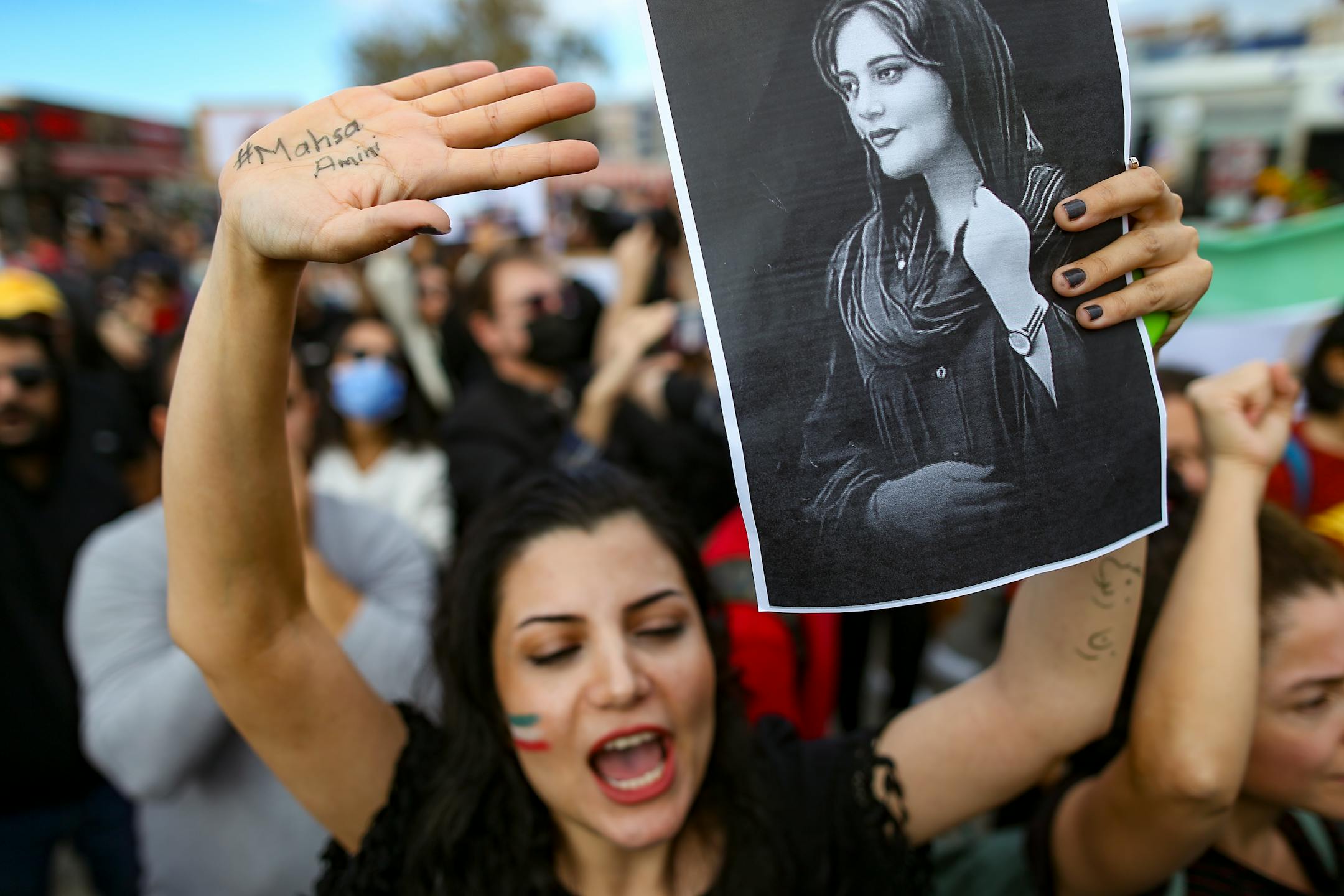
On Sept. 16, 2022, Mahsa Jina Amini, a young woman from Iranian Kurdistan, died in a Tehran hospital after being held in custody by the so-called morality police, who had arrested her three days prior for not wearing proper hijab. The death of Mahsa Amini became a catalyst for widespread protests across Iran not seen since the establishment of the Islamic Republic in 1979.
In the months following Mahsa's death, over 500 people, including dozens of children, were killed by the security forces and tens of thousands were arrested. Many of the arrested protesters were condemned to long sentences or death and at least seven have been executed to date; more detainees have died while in custody. There are also reports of multiple extrajudicial killings of activists and even physicians who cared for the injured protesters.
The 2022 Iran uprising is widely considered to be a turning point in Iran and has prompted irreversible changes in the Iranian people's reaction to the regime's suppressive measures. For example, despite harassments and arrests, Iranian girls and women continue to defy the regime on a daily basis by not wearing the hijab and refusing to adhere to the strict dress codes.
After 44 years of ruling with draconian and repressive measures, Iran's rulers are losing their grip on the country.
The Iranian regime has remained in power by resorting to imprisonment, torture and executions, and has benefited from the indifference of the outside world to its gross human rights violations. Although it is the norm for any country to put its national interests first when dealing with other governments, there should be exceptions to this rule when a government does not represent its own people, spreads fundamentalism and terrorism, imprisons and kills people for their ideology, religion, ethnicity or gender identity, and destroys the environment. The Iranian regime is a prime example of such a government.
While this regime is unable to control the inflation that prevents a large portion of the population from being able to afford basic food staples, its corrupt rulers continue to embezzle public funds to enrich themselves. The regime continues to actively support its proxies in other Middle Eastern countries and maintain its uranium enrichment program and development of long-range missiles, contributing further to the destabilization of the region.


