

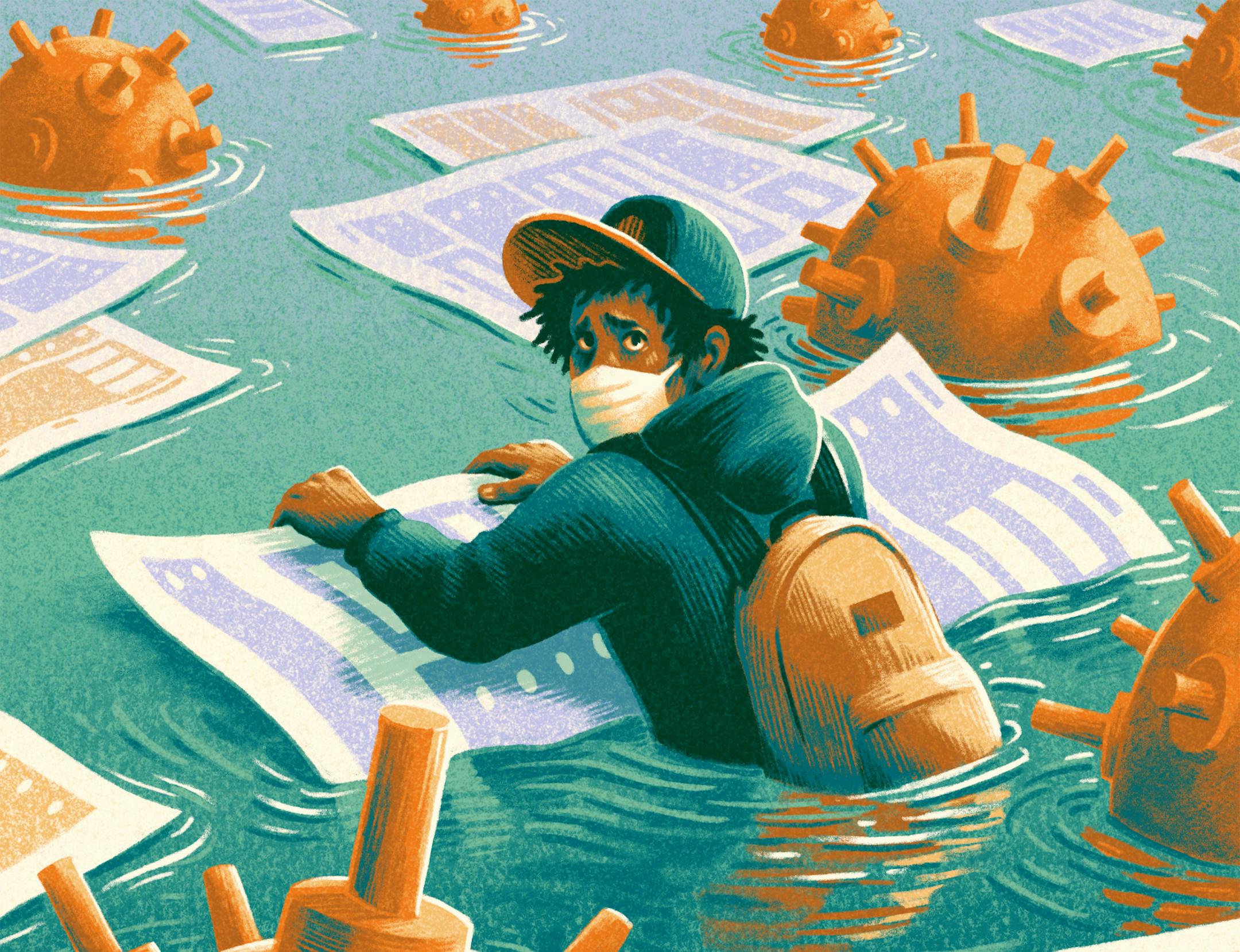
Fewer high school students are completing an important step in the college financial aid process, raising concerns about another "lost class" of college freshmen in the coronavirus pandemic.
As of early December, the number of high school seniors nationally who had filed a form known as the FAFSA — short for Free Application for Federal Student Aid — was down about 14% from this time last year, according to an online tracking tool that uses data from the federal Education Department.
While that's a bit of an improvement over rates in November, which showed completions down about 17%, it's still far below what it should be, advocates for college access say, and suggests many students aren't on a path to attend college next fall. The FAFSA for the 2021-22 academic year became available Oct. 1.
The drop follows a report earlier this month from the National Student Clearinghouse Research Center, which found that for the class of 2020, enrollment in post-high school education programs was almost 22% lower than for the class of 2019. The decline was about 33% for students from "high poverty" schools.
"It's devastating," said Kim Cook, executive director of the National College Attainment Network, a nonprofit organization that works on behalf of low-income and minority students.
She said fears that the pandemic may have spawned a "lost class" of high school seniors this year appear to have been warranted.
The latest FAFSA data suggests the trend may be continuing because completion of the form is a "canary in a coal mine," Cook said. Students who submit the form are far more likely to attend college and finish their degree.
Unlike students from more affluent families, who sometimes take a year off before college to travel or gain experience, students from lower-income families tend to fall off track if they delay enrolling, she said. The demands of working to support themselves or their families often take over and make it difficult for them to catch up. "There is no 'gap year' for our students," Cook said.



