Long Christmas trees twinkled in windows, the chief of Toys "R" Us threw his company's weight behind an odd bet.
It was early summer, and Gerald Storch had a fake hamster on his desk. His buyers, the executives who study and order merchandise, were predicting it would be a holiday hit. Storch laughed as the rodent scurried around and plopped off a table, then he turned serious: "How big can we make it?"
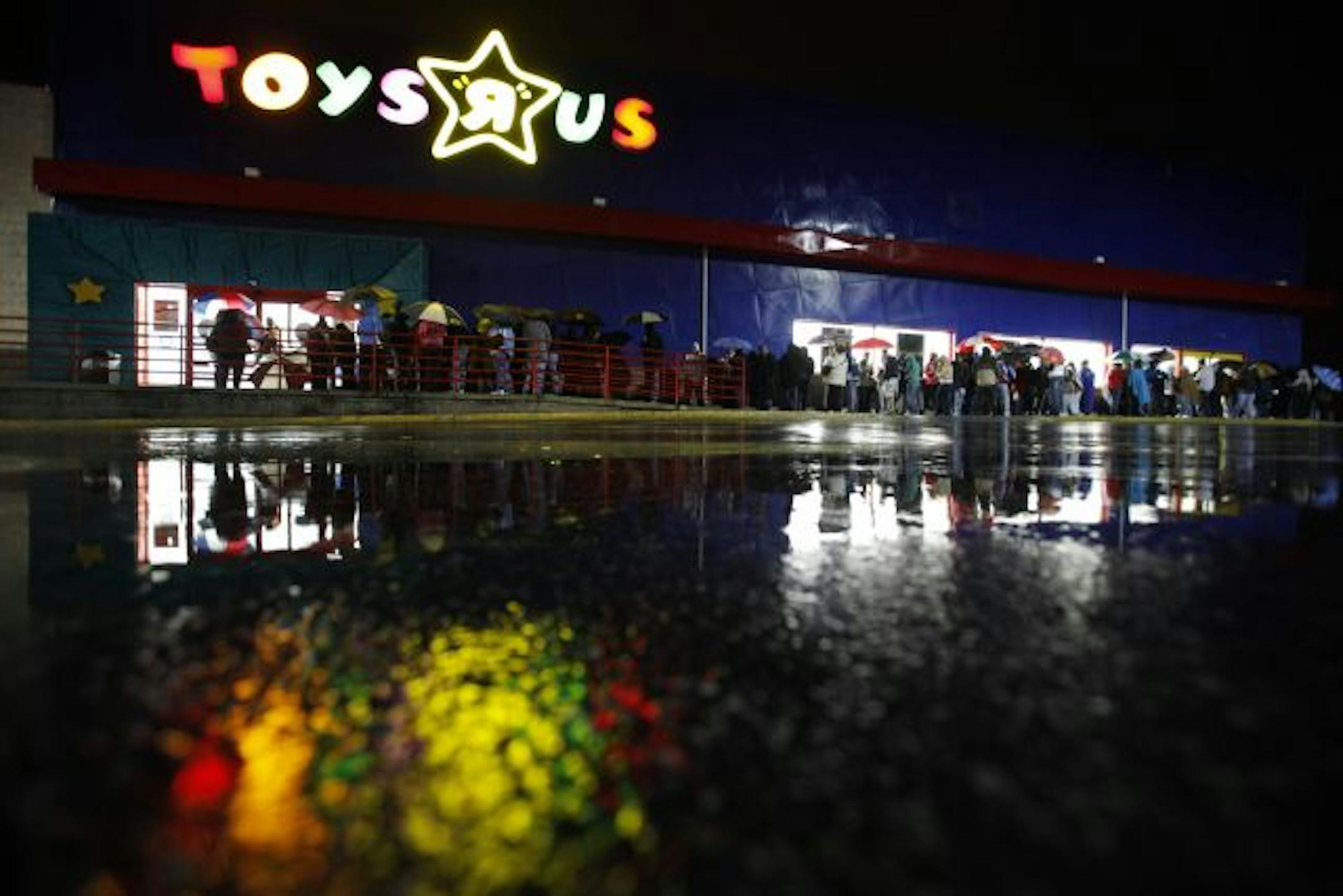
So big, it turned out, that mothers are now lying in wait in Toys "R" Us parking lots all over the nation, desperately hoping to score toy hamsters for Christmas.
Storch's big order for Zhu Zhu Pets was the latest achievement for a man who, in the midst of a recession, has begun to pull off a retailing turnaround. Only five years ago, Toys "R" Us was in grave trouble. Sales had shrunk and the chain had fallen under the shadow of Wal-Mart, the behemoth discounter. Retailing professionals said the beleaguered toy industry was losing ground to flashy electronic gadgets.
When Toys "R" Us was sold, in 2005, for $6.6 billion to two private equity firms and a real estate developer, analysts thought it was only a matter of time before the chain would be carved up and sold.
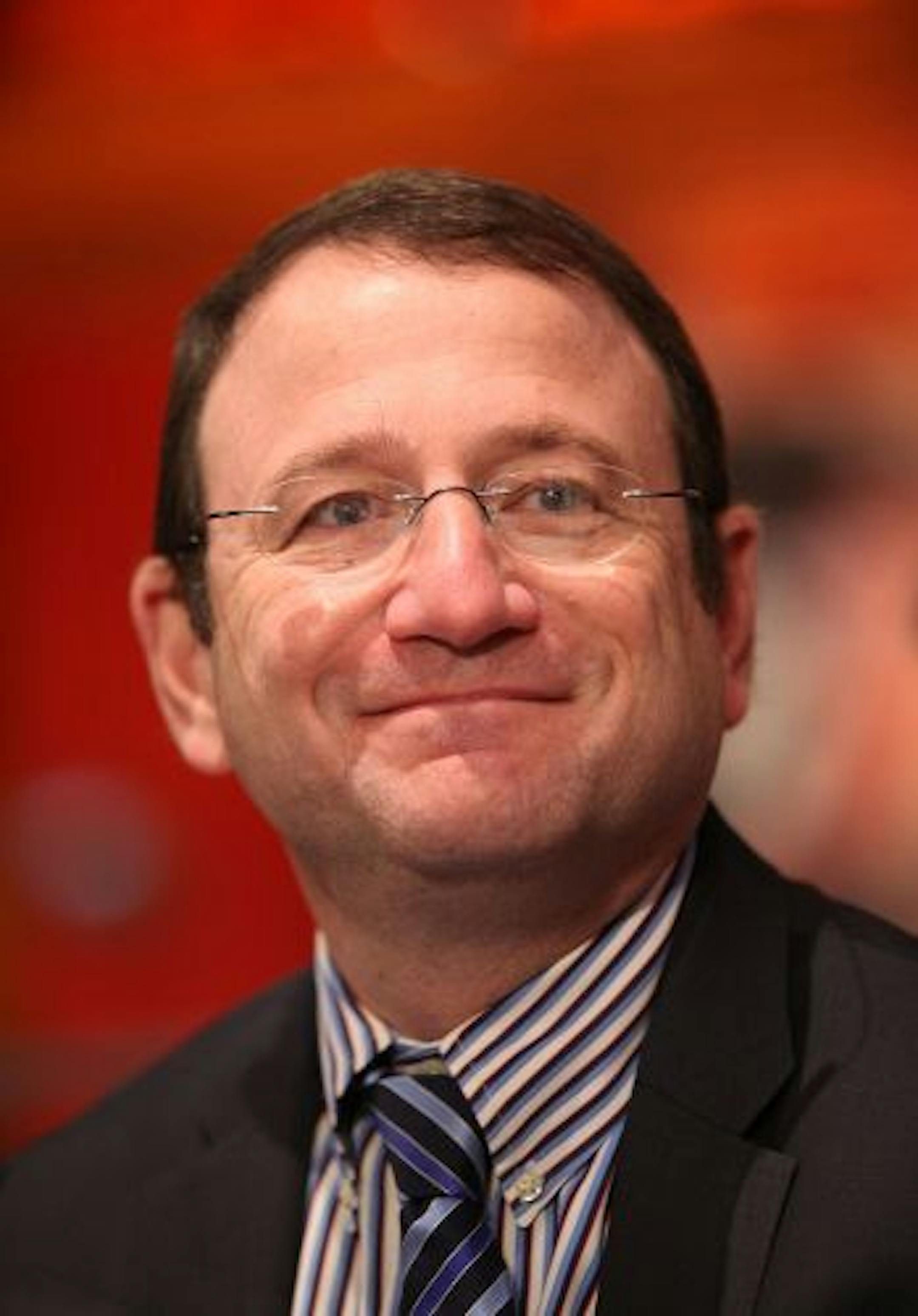
They were wrong. The new owners hired the bespectacled Storch, a longtime Target executive, to help Toys "R" Us get its sparkle back.
In the last year, Storch has taken bold steps. He snapped up nearly every well-known specialty toy chain and website, including FAO Schwarz and KB Toys. As mall retailers went out of business, Storch opened more than 80 temporary holiday toy shops in their vacant storefronts. And he is rolling out supercenters, with Toys "R" Us and Babies "R" Us stores under one roof.
"While it would be easy to get into a very defensive hunker-down mode during these economic times," Storch said, "history has shown that the future rewards companies which are aggressive during economic downturns."