

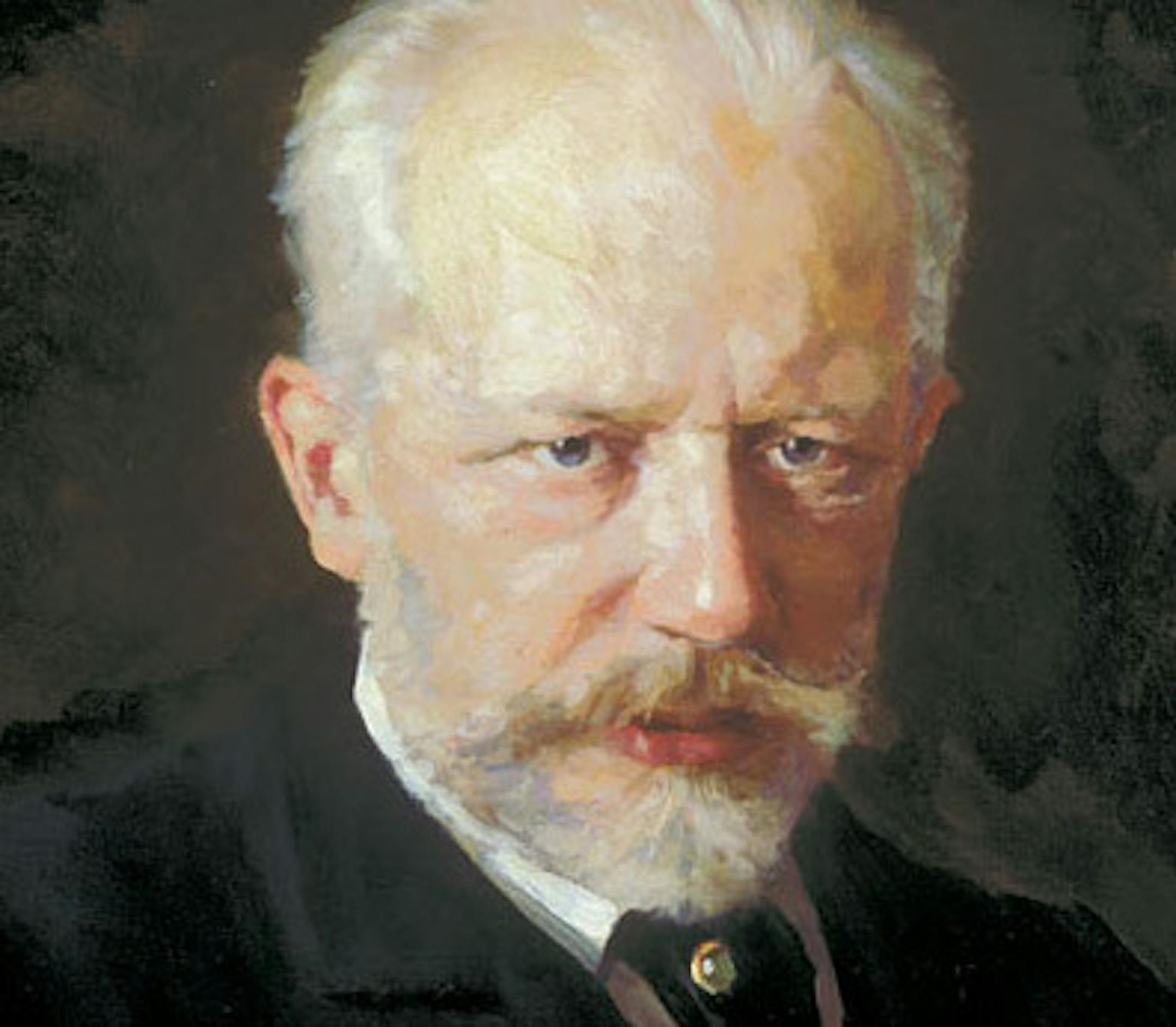
The Minnesota Orchestra's sold-out "Echoes of History" concert reopening the University of Minnesota's iconic Northrop Memorial Auditorium on Friday reprises more than Northrop's original Oct. 22, 1929 dedicatory concert. It also celebrates the special, if unlikely, relationship between the auditorium, the orchestra, and Pyotr Ilyich Tchaikovsky's famous "1812 Overture."
The 1929 performance by the Minneapolis Symphony Orchestra concluded with the "1812 Overture," and the Minnesota Orchestra's performance will do the same this week.
But in the 1950s, the auditorium and Tchaikovsky also brought the orchestra its first "gold" record (and worldwide fame) through a dramatic recording of the "1812 Overture" — Mercury MG 50054 — featuring the orchestra led by the fiery young Antal Dorati, its conductor from 1949 to 1960, plus the University of Minnesota Brass Band, a 1761 brass cannon at West Point and the bells in Yale University's Harkness Tower.
Tchaikovsky wrote the "1812 Overture" in 1882 for full symphony orchestra, plus extra brass players, cannons and all of Moscow's bells to celebrate the 70th anniversary of Napoleon's defeat in Russia.
But the performance Tchaikovsky sought never happened, at least not until an innovative new recording company, a Midwest orchestra and an enterprising conductor accomplished it electronically almost 75 years later, starting in Northrop Auditorium.
The first step occurred Dec. 4, 1954, at the University of Minnesota. Dorati, the Minneapolis Symphony, the University of Minnesota Brass Band and a crew from the upstart Mercury Record Corporation enlivened Northrop's famously dead acoustics by recording an especially vivid "1812 Overture" performance that became the standard for all later recordings.
In fact, they were continuing a Northrop recording tradition begun by Eugene Ormandy in the 1930s with new, spectacular recordings of the classical repertoire — Beethoven, Stravinsky and Copland, but especially Tchaikovsky. They recorded not only the "1812 Overture" but also the first complete scores of all the Tchaikovsky ballets — "Sleeping Beauty," "Swan Lake," "The Nutcracker." Mercury's "living presence" sound set's new high-fidelity standards, and its sumptuously packaged multi-disc sets, brought the Minneapolis Symphony unprecedented worldwide recognition.
The next steps occurred at West Point, New Haven and New York.


