

Opinion editor's note: Star Tribune Opinion publishes a mix of national and local commentaries online and in print each day. To contribute, click here.
•••
Almost no one noticed in 1996 when Congress gave online social media platforms sweeping legal immunity from what their users posted on them.
The provision, known as Section 230 of the Communications Decency Act, has since become labeled as the "twenty-six words that created the internet."
Without Section 230, according to Jeff Kosseff, the law professor whose book on the section bears that title, the social media world as we know it today "simply could not exist."
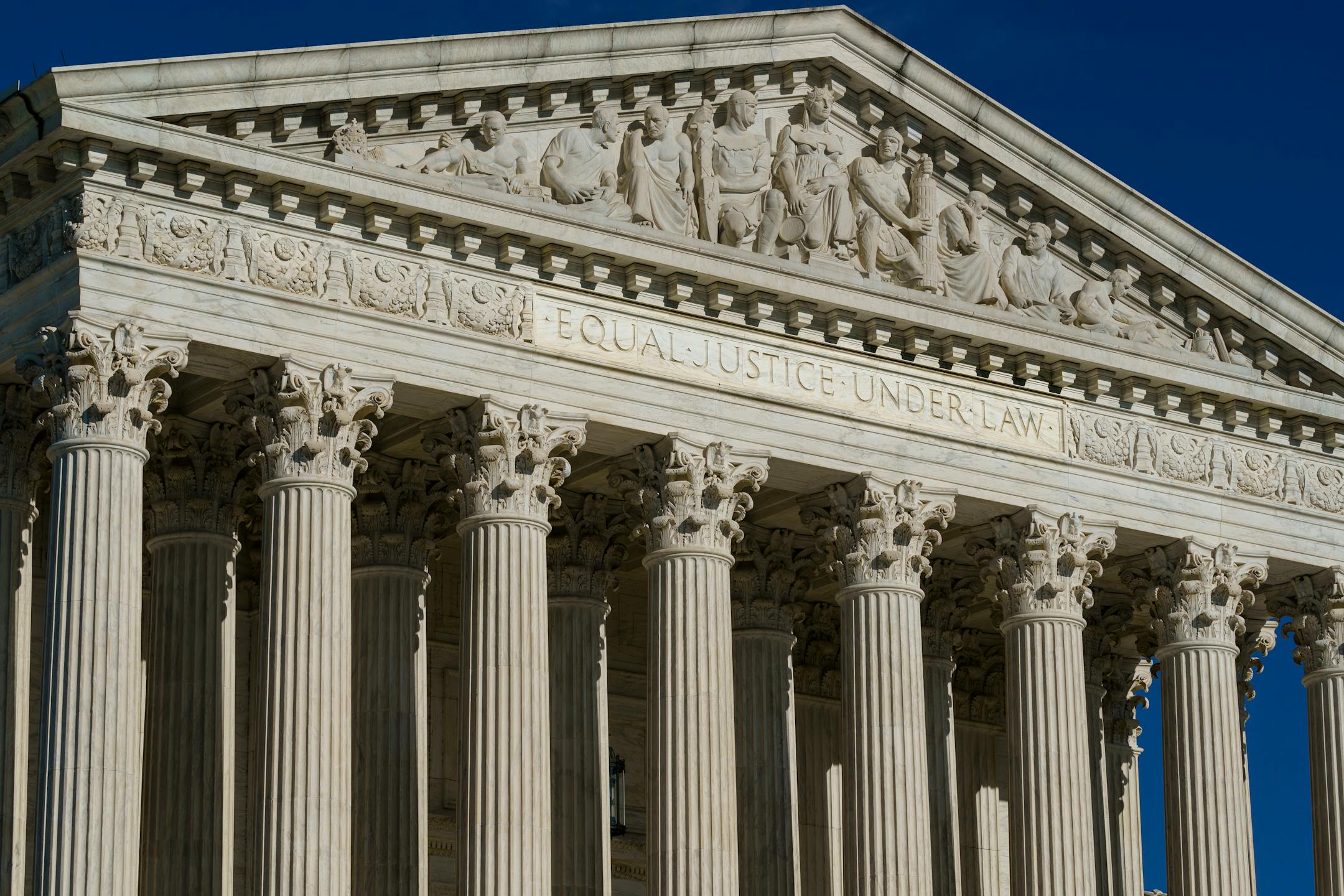
That's why advocates of online speech are nervous that the Supreme Court has taken up a case that could determine Section 230's limits, or even its constitutionality.
The Supreme Court's decision to review two lower court rulings, including an appellate case from the Ninth Circuit Court of Appeals in San Francisco, marks the first time the court has chosen to review Section 230, after years in which it consistently turned away cases involving the law.
That may not reflect a change in its view of the legal issues, so much as a change in how society views the internet platforms at the center of the cases — Google, Facebook, Twitter and other sites that allow users to post their own content with minimal review.


