

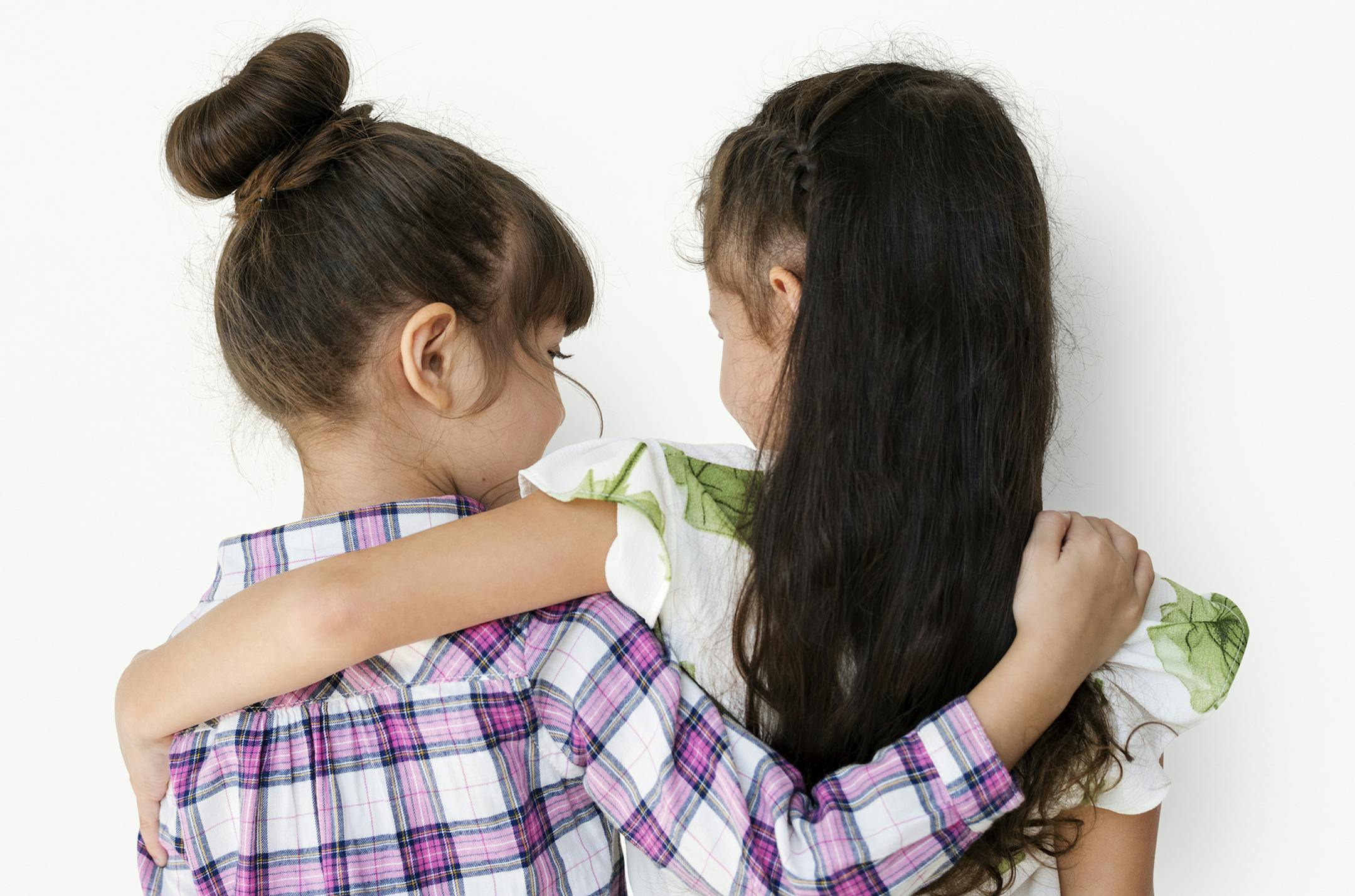
One of the worst things that happens to adults is that they forget what it's like to be a kid. They forget how frightening childhood can be, and how nice it is when you have a best friend, how lonely it is when you don't.
This brings me to an interesting debate over a trend going on in schools these days: the banning of best friends, because by definition "best friend" is an exclusionary business.
It involves educators and social engineers on the left and conservatives on the right, and all have much to say. And all of them have one thing in common: They're adults.
Kids know how to deal with adults. They walk in the land of the giants. Some learn to trick adults and tell them what they want to hear. At least the emotionally smart kids learn quickly. They learn the appropriate prompts, the reassurances, the tricks of language and facial expressions to give just enough but not too much.
Yet all too often, and I include myself in this, we hear what we want to hear and see what we want to see. Adults are stressed anyway, with careers and bills. Even helicopter parents, so intent on hovering and maintaining low altitude, may find their field of vision is limited.
And so the hidden world of kids often remains another country to them, unknown. But teachers know. The good ones know.
Teachers see what children are capable of, how they treat each other, what they've learned at home, what they haven't learned.
Some adults, most likely those who aren't teachers, idealize the memory of childhood. Others go the other way and liken it to "Lord of the Flies."


