"Springtime" infers a phenological phenomenon, but also a flourishing — which is a good way to consider an annual spring cultural event, the Minneapolis St. Paul International Film Festival.
The coronavirus crisis made last year's version virtual. This year, the May 13-23 event is more of a hybrid festival: Five films screened in outdoor gatherings, with all of the nearly 200 films from more than 70 countries and cultures available virtually, reflecting the rest of society's green shoots of normalcy poking through the COVID-scarred landscape.
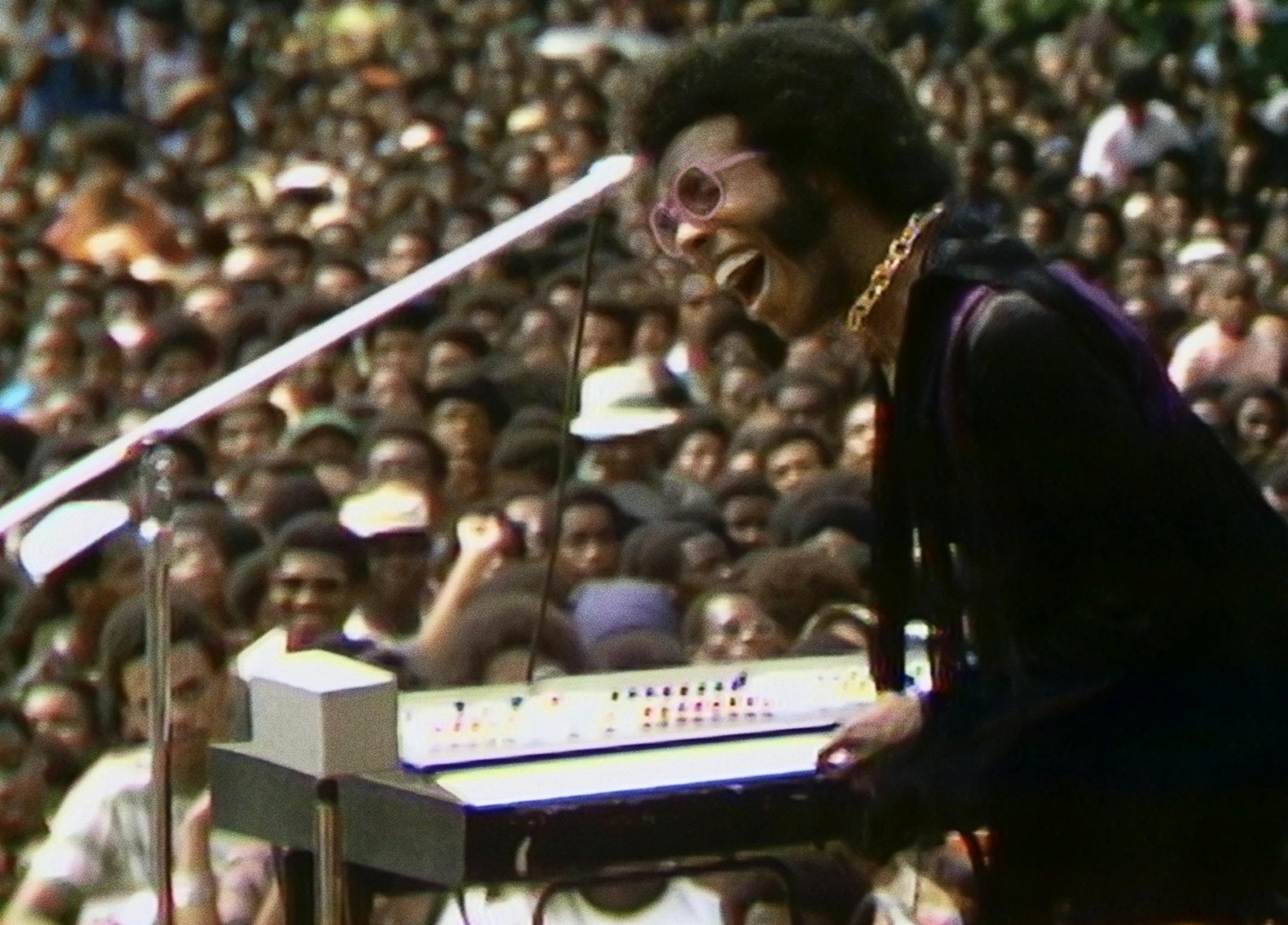
So it's fitting that the film chosen to open the festival is about a gathering of people. Throngs, actually, in crowd scenes not seen in these socially distanced times. The backdrop is a socially fraught 1969, when over the course of six summer weeks the Harlem Cultural Festival was a showcase of Black artists and audiences.
Haven't heard of the Harlem Cultural Festival? That's part of the documentary's point: Despite the extraordinary performances of musicians like Stevie Wonder and other soul, blues, pop, and gospel greats, the landmark cultural (and this being the late '60s, political) event was overshadowed by the other seminal festival 100 miles upstate, Woodstock, which featured mostly white artists and audiences. Indeed, cultural commentary often refers to the "Woodstock generation," generally overlooking the concurrent Harlem musical event which was eclipsed.
That is until Ahmir "Questlove" Thompson, a well-recognized and respected musician in his own right, rediscovered the languishing footage. Making his directorial debut in the extraordinary documentary "Summer of Soul," Thompson puts the concert into context of the era's cultural, social and political ferment.
"I was so moved by this film," said Susan Smoluchowski, executive director of the MSP Film Society, who moved fast to procure it after a virtual Sundance Film Festival screening. Smoluchowski cited the impact of the film itself, but was "also moved by this piece of history that went unknown and forgotten for years. And it only went unknown and forgotten, I think we would all agree, because all the artists were Black, and the audiences were all Black."
That fact wasn't lost on Thompson either. Riffing on a refrain from a song from Gil Scott-Heron, a musician of that era, Thompson subtitled his film "(… Or, When The Revolution Could Not Be Televised)."
As for this era, America is in "a moment in time in which we find ourselves as a country where we are examining the neglect that we've found in certain historical moments," Smoluchowski said.