"The amounts of oil are incredible, and I have to rub my eyes frequently and say like the farmer: 'There ain't no such beast.' " So wrote an American oilman in the Persian Gulf a few years after the discovery in 1938 of a gusher of oil from Saudi Arabia's Well Number Seven, 4,727 feet below the desert floor.
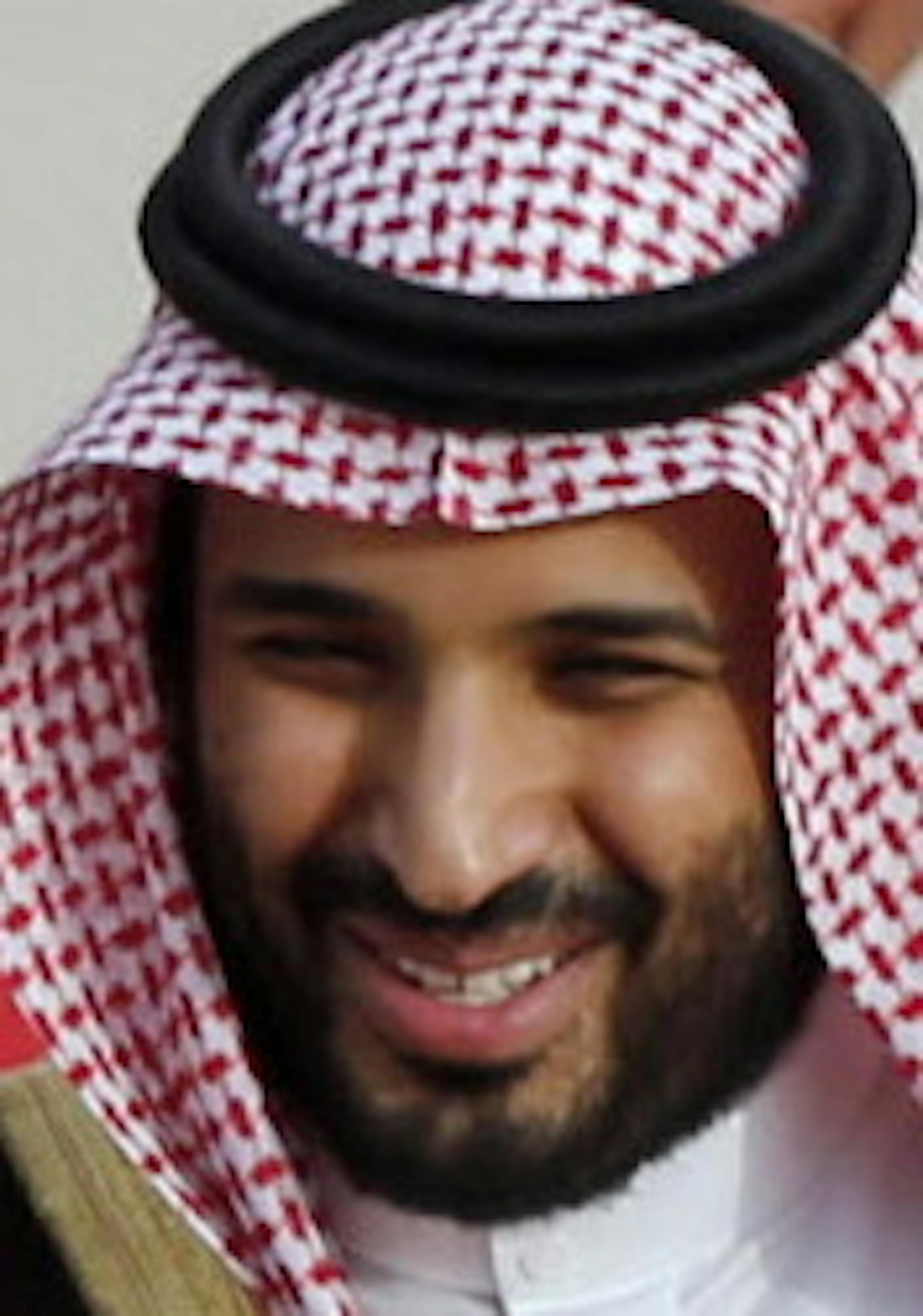
You could say the same today about Saudi Aramco, the state-owned firm that for decades has had exclusive control of Saudi Arabia's oil and is the world's biggest, most coveted and secretive oil company. On Jan. 4, the kingdom's deputy crown prince, Muhammad bin Salman, told The Economist that Saudi Arabia was considering the possibility of floating shares in the company, and said he personally was "enthusiastic" about the idea.
It was a stunning revelation.
Officials say options under preliminary consideration range from listing some of Aramco's petrochemical and other "downstream" firms, to selling shares in the parent company, which includes the core business of producing crude. The staggered nationalization of the Arabian American Oil Company (Aramco), made up of four big American firms, in the 1970s was emblematic of a wave of "resource nationalism" that has helped define the industry.
Worth 'trillions of dollars'
Aramco is worth, officials say, "trillions of dollars," making it easily the world's biggest company. It says it has hydrocarbon reserves of 261 billion barrels, more than 10 times those of ExxonMobil, the largest private oil firm, which is worth $323 billion. It pumps more oil than the whole of the United States, about 10.2 million barrels a day, giving it unparalleled sway over prices. If just a sliver of its shares were placed on the Saudi stock exchange, which has a current total market value of about $400 billion, they could greatly increase its size.
Prince Muhammad says a listing would not only help the stock market, which opened to foreigners last year. It would also make Aramco more transparent and "counter corruption, if any."
A final decision has yet to be made. Yet the prince has held two recent meetings with senior Saudi officials, and diplomats say investors are being sounded out. The talk is of at first floating a small portion of the company in Riyadh, perhaps 5 percent. In time that could rise — though not by enough to jeopardize the kingdom's control of decisionmaking.
The aim would be to foster greater shareholder involvement in Saudi Arabia; a senior official said there was no intention of surrendering control of Aramco or its oil resources to foreign firms. But it is part of a frenzy of reforms proposed by the prince that his government is rushing to keep pace with.