

The Minneapolis City Council faces perhaps the most important and difficult decision it will make in a generation. We know, because we faced the same question years ago.
Minneapolis is the pulsating heart of our state for business, culture, arts, sports, entertainment and even new housing. Back in 2001, Minneapolis had 310,000 jobs and accounted for one out of nine jobs in the entire state.
That incredible vitality didn't just happen by accident. It happened because previous governors, legislators, mayors and city councils made important decisions to move the city and state forward.
But as Steve Berg recently noted in these pages ("Stadium puts mayor's legacy on the line," Feb. 11) and as Metropolitan Council reports confirm, Minneapolis has lost 27,000 jobs in the last decade while statewide jobs have remained constant. Minneapolis now has less than one in 10 jobs in the state. The state's economic engine has slowed down considerably.
Gov. Mark Dayton knows it is time for that engine to roar again. That's why Dayton has a laserlike focus on creating jobs now, calling for a $775 million bonding bill, a new "People's Stadium" and a $3,000 tax credit for each private-sector job created.
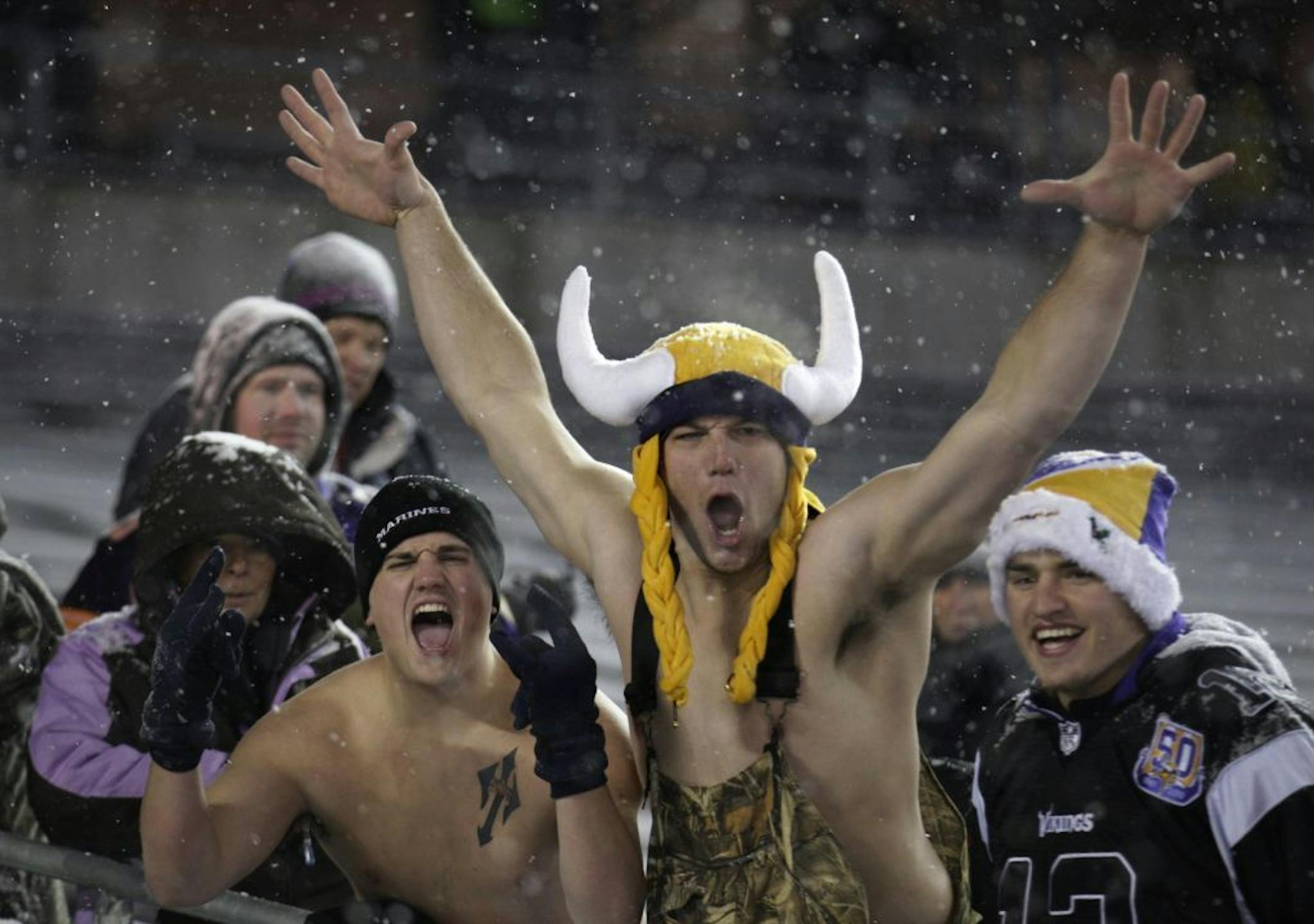
Like Govs. Rudy Perpich, Arne Carlson and Tim Pawlenty, who all advocated for publicly funded stadiums, Dayton is championing a new stadium to create jobs and maintain our state's position as a major metropolitan area. A new stadium will create thousands of construction jobs, retain the Vikings' franchise and brand for Minnesota, and signal to the private sector that it is time again to invest in this state.
Minneapolis Mayor R. T. Rybak and Council President Barb Johnson are also leading. They know that failure to invest in our future is a risk none of us can afford. In fact, Rybak has staked his political future on getting a new stadium built in Minneapolis.
In 1973 and again in 1978, the Minneapolis City Council, of which we were a part, voted for local public funding for a stadium. By a 10-3 vote in 1973, the City Council authorized $53.7 million in bonding for a Vikings stadium that would have been built on what now is the site of the Target Center.


