

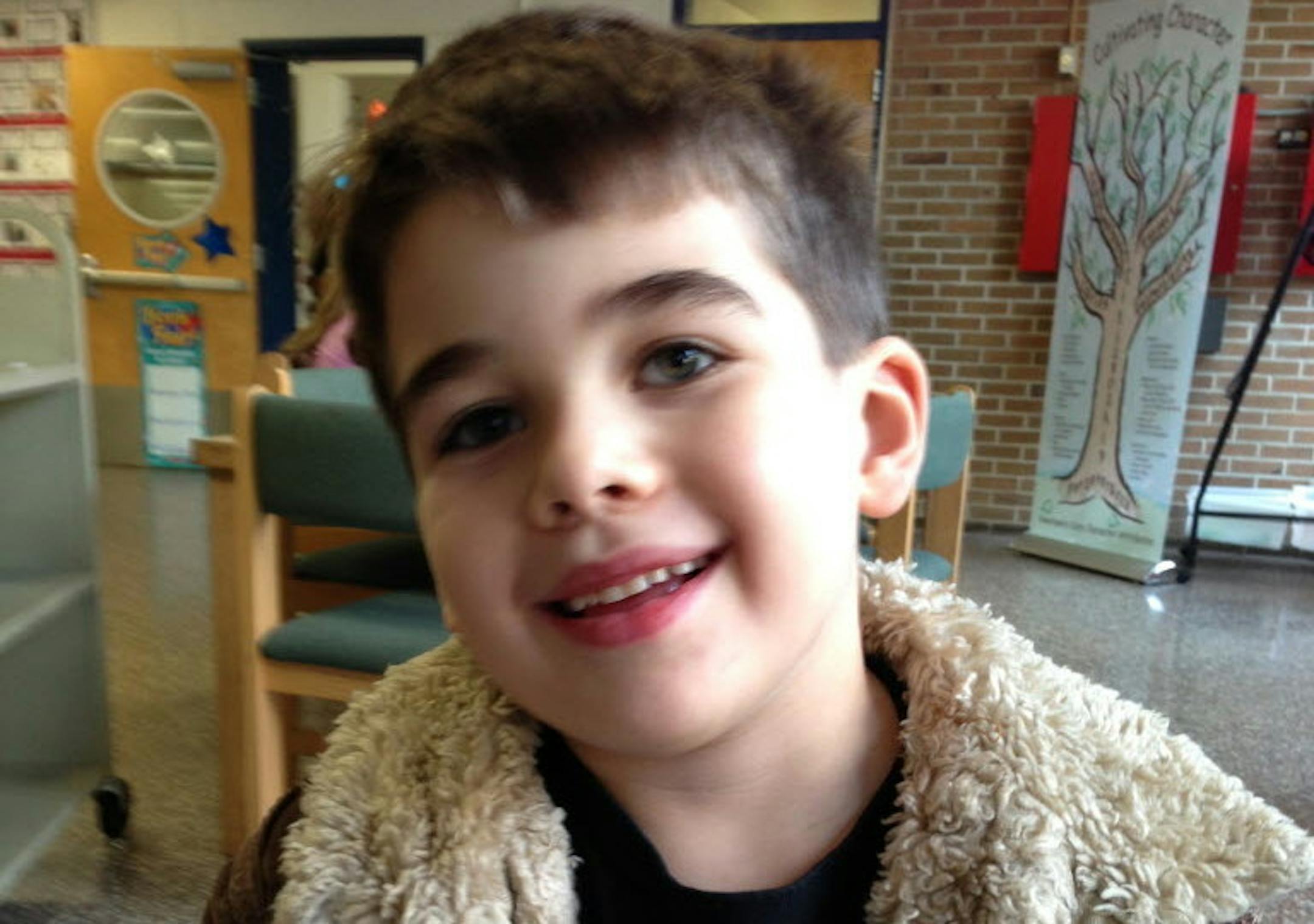
When I saw Alexis Haller last week, he looked much as I remembered him from college: just more tired, and a lot sadder. It wasn't the reunion either of us would have wanted.
His nephew, 6-year-old Noah Pozner, was among the murdered at Sandy Hook Elementary School. He had been shot 11 times at close range. My old friend had come from Seattle to Washington to talk to lawmakers about reforms that might prevent future massacres.
He had sent a memorandum to the White House task force on gun violence on behalf of Noah's mother, brother, sister and seven other family members. It included a number of novel proposals.
One is a new reporting requirement: If you have "knowledge of a grave and imminent threat of serious physical harm" that someone else has made, and "reasonable cause to believe" that person has access to a gun or bomb, you would have a legal requirement to inform a law-enforcement agency.
As you may be able to tell, Haller is a lawyer. He points out that 18 states require any person who suspects that child abuse or neglect is going on to notify the authorities. There's no reason in principle, he argues, to say that a legal obligation should exist in those cases but not when you have reason to believe that someone plans to shoot up a school.
In the memo, not making the call would be a misdemeanor with a penalty of as much as six months of confinement. Again, though, Haller draws a parallel to the child-abuse reporting requirement: People are rarely prosecuted for not observing it. The laws have, nonetheless, helped to shape a valuable norm.
A second proposed statute would establish a standard for securing firearms. Someone who has "reasonable cause to believe" that he has made a gun accessible to a person who is mentally ill and considered dangerous, or otherwise poses a grave and imminent danger to others, would be guilty of a misdemeanor, and maybe even a felony, if that dangerous person gets the gun.
Noah Pozner's family also proposes that the government fund school-security reviews and upgrades, and augment emergency grief counseling. (From the memo: "After Noah's death, family members underwent an initial extended and horrible period without any mental health assistance.")


