

Opinion editor's note: Star Tribune Opinion publishes a mix of national and local commentaries online and in print each day. To contribute, click here.
•••
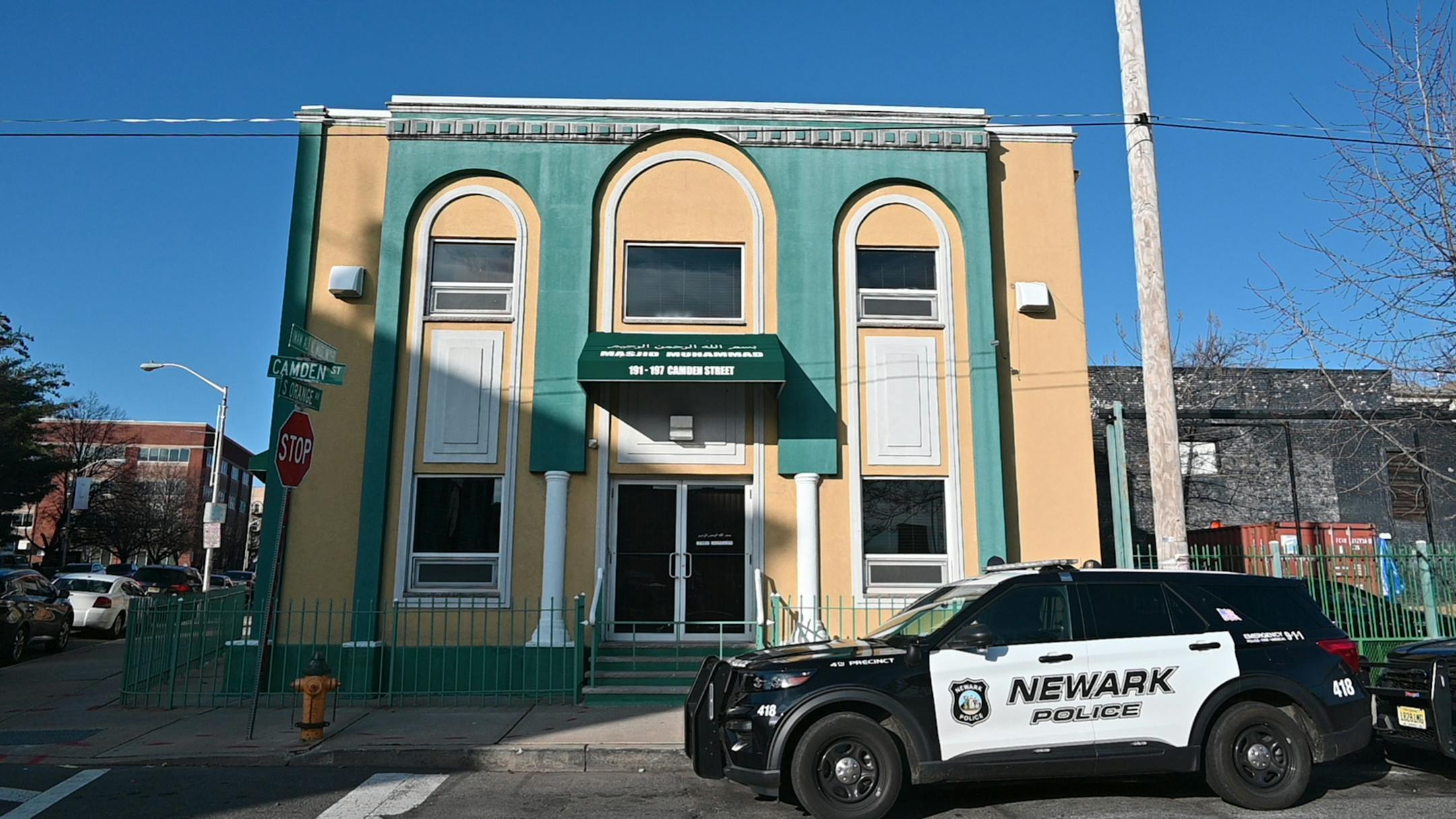
Last week Islamic imam Hassan Sharif was fatally shot in a New Jersey mosque at predawn prayers. At a time when Islamophobia appears rampant nationwide, this attack has shocked and frightened not only New Jersey Muslims but Muslim communities across the country.
In its wake I propose to all Americans, Muslims and non-Muslims alike, a strategy that might mitigate the underlying cause of Islamophobia rather than react to its symptoms.
Who am I? I am a Muslim, a grateful immigrant to the United States for the past seven years. It may surprise many Americans that I believe in freedom of religion and freedom of speech, not only because I am here in America, but because I am a Muslim. It is part and parcel of my Islamic faith.
I bridge two cultures. I was born, raised and educated in Yemen through high school, after which I chose to go to the United States to pursue my higher education. I now hold a bachelor's degree in Islamic studies from the University of Miami, a master's in educational development from the University of Pennsylvania, and I am pursuing a Ph.D. in international educational development at the University of Minnesota.
Having lived in Yemen, the same country that bred Osama bin Laden, I intimately understand the fundamentalist Islamic ideology that often incites terrorism. Having been educated at the finest American universities, I also intimately understand the profound American doctrine of human rights.
Thus my proposed strategy is built on what I believe is the proper diagnosis of the problem. Most American animosity toward Islam is not due to bigotry but to Americans' widespread perception that Islam is anti-human rights. Most Americans are unaware that any other kind of Islam exists other than the violent fundamentalist and extremist Islam they see evidence of almost daily in the media. Hence, the objective of this strategy is to remove hostility through an organized, sophisticated, sustained, nationwide educational public media campaign.


