

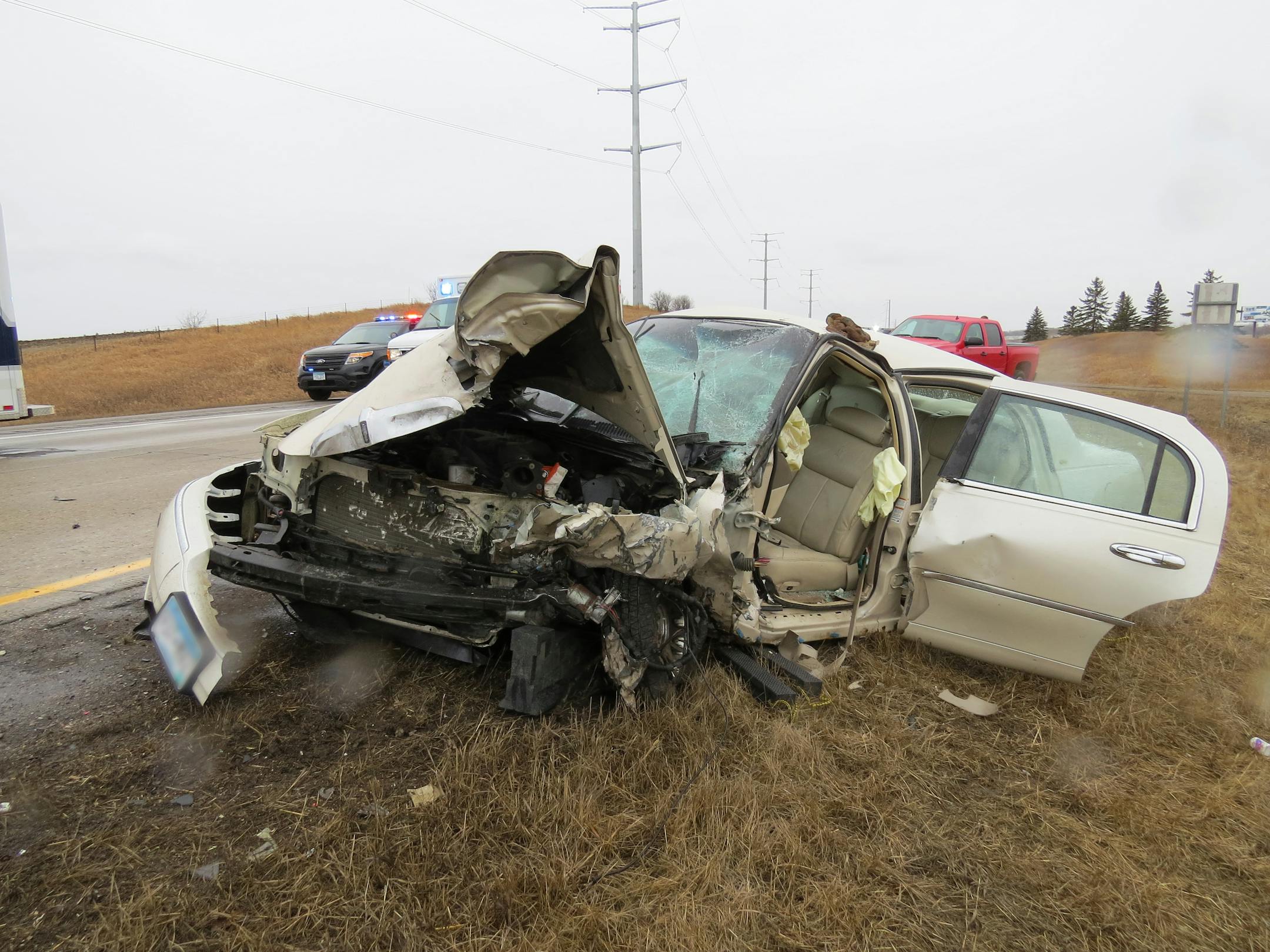
Drunken driving control efforts have sputtered out in recent years, with more than 11,000 preventable deaths now occurring annually.
Over the past four decades, public health officials have largely focused on changing behaviors — asking people to not drink and drive. But now, there are new auto technologies that can prevent them from doing so.
As part of President Joe Biden's infrastructure law, Congress decided that some version of these devices needs to be installed in new American cars beginning in 2026. But first, the National Highway Traffic Safety Administration (NHTSA) must examine all available technologies and then select the most effective one.
This is an important opportunity to readdress a pressing public health crisis. Quite simply, the new innovations can surmount the cultural and libertarian barriers that have thwarted past efforts to end drunken driving fatalities.
For decades, drunken driving control was seen as a law enforcement issue. As cars multiplied on American roads in the early 20th century, cities and states began passing laws making it illegal to drink and drive. But they were not enforced aggressively, neither during Prohibition (1919-33), when alcohol was less available, nor after, when there was a backlash against anti-alcohol sentiments.
The tolerance for drunken driving at midcentury — an era in which manufacturers of alcoholic beverages routinely celebrated heavy drinking — was remarkable. Although many states had laws that let police arrest drivers with blood alcohol levels between 0.05 and 0.15%, the de facto level was 0.15%, almost twice our current legal limit of 0.08%. Severely impaired drivers often went unprosecuted, even when they injured or killed someone.
The situation worsened in the 1950s when suburbanization and the new interstate highway system led to even more drivers. While no one explicitly condoned drunken driving, having several drinks and getting behind the wheel became commonplace for men in their 20s and 30s, who were most likely to drive drunk.
Finally, in the 1960s, a physician and epidemiologist named William Haddon began to scrutinize the carnage caused by drunken drivers. His scientific approach included careful research demonstrating that high blood alcohol levels were associated with more, and often fatal, crashes. Haddon's efforts culminated in a 1968 federal report estimating that roughly 25,000 Americans were dying annually from drunken driving.


