

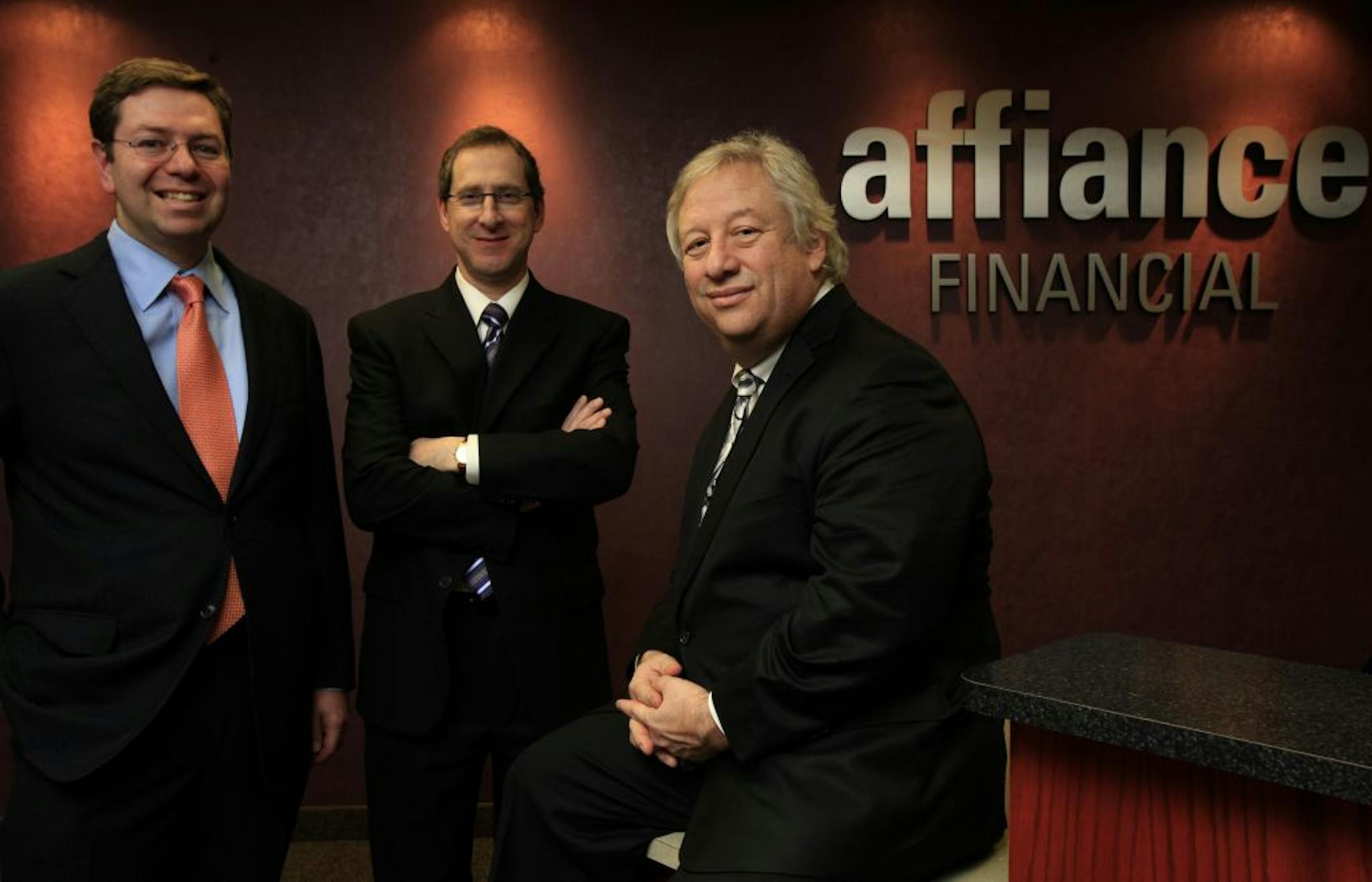
Closing prices weren't the only numbers that financial planner Steve Lear focused on after markets plummeted.
Lear, the majority owner of Affiance Financial, a St. Louis Park financial planning company, also began taking a closer look at a four-digit score that represents the instinctive way in which he and others at the firm prefer to solve problems and make decisions.
That score comes from the Kolbe A Index, a 36-question assessment developed by the Arizona-based Kolbe Corp. The index measures the "conative" part of the mind, which is focused on doing or taking action. The Kolbe index is less well known than other personality assessments that measure the thinking, or cognitive, and feeling, or affective, parts of the mind. But it has gained traction in the financial services industry, where client relationships are especially critical.
"Everything was hunky-dory; the markets were up," Lear said, recalling the days just before the Great Recession. "Then the markets fell apart and we had to re-analyze how we were going to work together because the stress levels, naturally, from outside were exceptionally high."
Lear, a certified Kolbe consultant who took the assessment 17 years ago, decided to have the entire firm "Kolbe-ized," so that employees could understand how they and their colleagues communicate and deal with structure, risk-taking and tools and tangibles. Benefits, according to the firm, can include improved performance with less effort, greater resistance to stress and enhanced creativity.
Based on their Kolbe numbers, Lear and fellow Affiance Financial owners Andrew Fishman and Seth Meisler realigned some of their responsibilities and those of their staff. They also used the assessment in evaluating job candidates for the five hires they've made this year.
Knowing colleagues' Kolbe scores helps people understand differences in how an individual approaches problems. That can help avoid conflicts that can result, Meisler said. For example, Meisler's preference for detail could pose a natural conflict with Lear's big-picture approach. Fishman, meanwhile, falls somewhere in between those two and often serves as the mediator among the three, who strive for unanimity in making decisions affecting the firm.
"I found it to be exceptionally helpful," Lear said of the Kolbe A Index. "We've used Kolbe to, in essence, make the three of our lives easier, so that we think we can run a more efficient and effective firm and to keep our stress and frustration levels down."


