

Opinion editor's note: Star Tribune Opinion publishes a mix of national and local commentaries online and in print each day. To contribute, click here.
•••
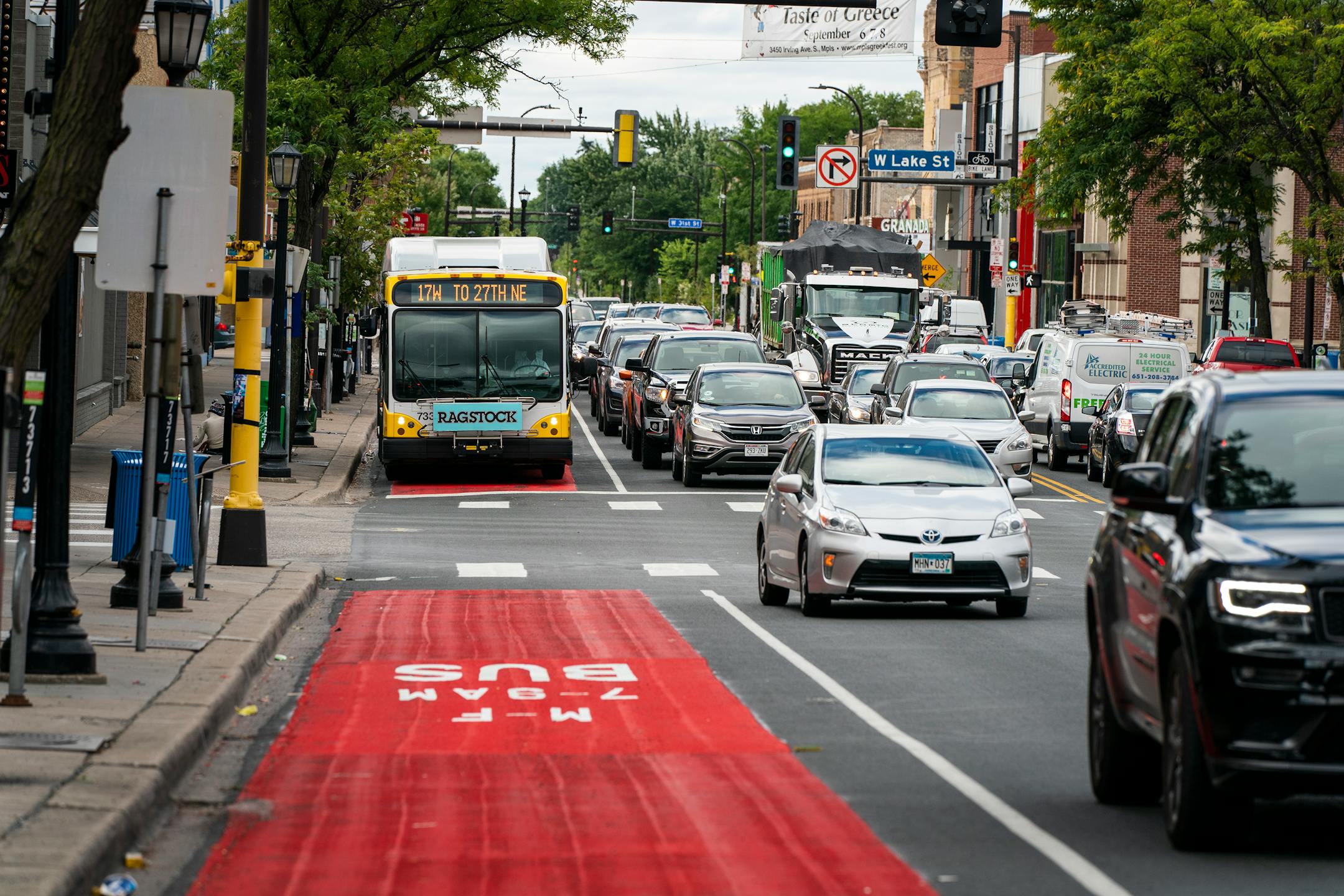
The Minneapolis City Council will vote soon on the Public Works plan for the reconstruction of Hennepin Avenue between Douglas Avenue and Lake Street. The plan may rival the former Kmart at Nicollet Avenue and Lake Street as a symbol of well-intentioned but failed urban planning.
Based on my 30-year perspective as a property owner along Hennepin Avenue with a background in transportation planning, this is a solution looking for a problem. The Lowry Hill and Uptown Special Service District Advisory Boards unanimously recommended that Public Works develop a new plan, and virtually every business on Hennepin Avenue is opposed to the current plan.
The plan starts with a simplistic assumption that by limiting left-turn options with freeway-style medians and signs one can reduce a busy two-lane road to one lane and not suffer the consequences. Public Works has projected that there will be significant volumes of traffic detouring through neighborhoods to avoid congestion on Hennepin Avenue. A review of the project by Loucks Engineering found that the plan will result in major congestion issues affecting users of Hennepin Avenue and the surrounding neighborhoods. Once the project is implemented, with traffic cutting through their neighborhoods and parking becoming harder to find, residents will likely ask who was responsible for it.
I agree with the need to consider and address climate change, which has been a key theme by supporters of the plan.
At the Public Works and Infrastructure Committee meeting on May 19, City Council Member Elliott Payne stated in support of dedicated 24-hours-per-day, seven-days-per-week bus lanes that the "scale of the climate change requires a fairly significant scale of the policy solution," and Council Member Robin Wonsley Worlobah expounded that "my office is a huge proponent of the Green New Deal."
If these council members are truly sincere about the need to prioritize climate change and implement the city's policy to address it, they should vote against the plan, since the Metropolitan Council reported, in Table 12 on page 31 of its draft 2040 Transportation Policy Plan Amendment, that its proposed bus-rapid transit lines will increase greenhouse-gas emissions.


