


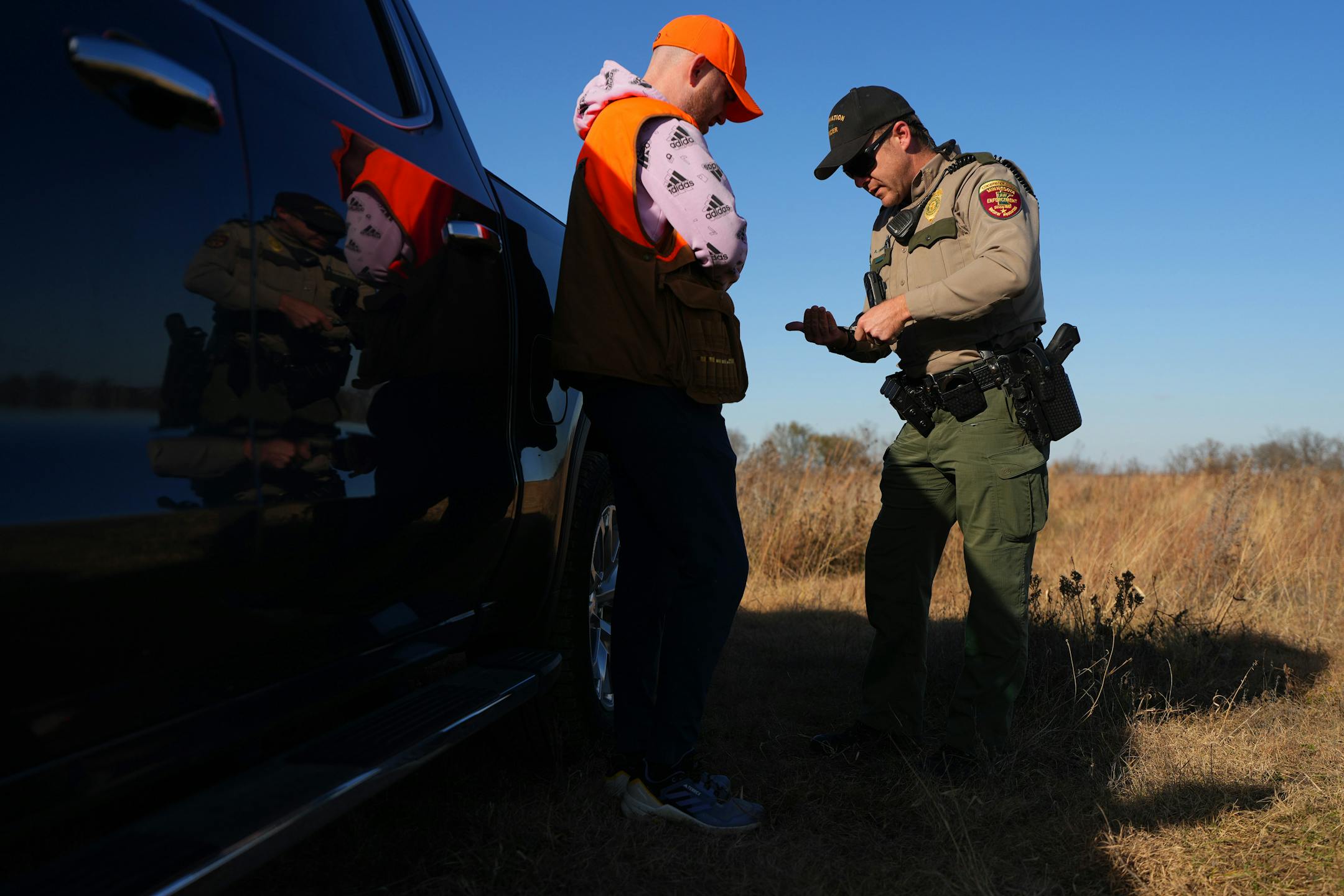
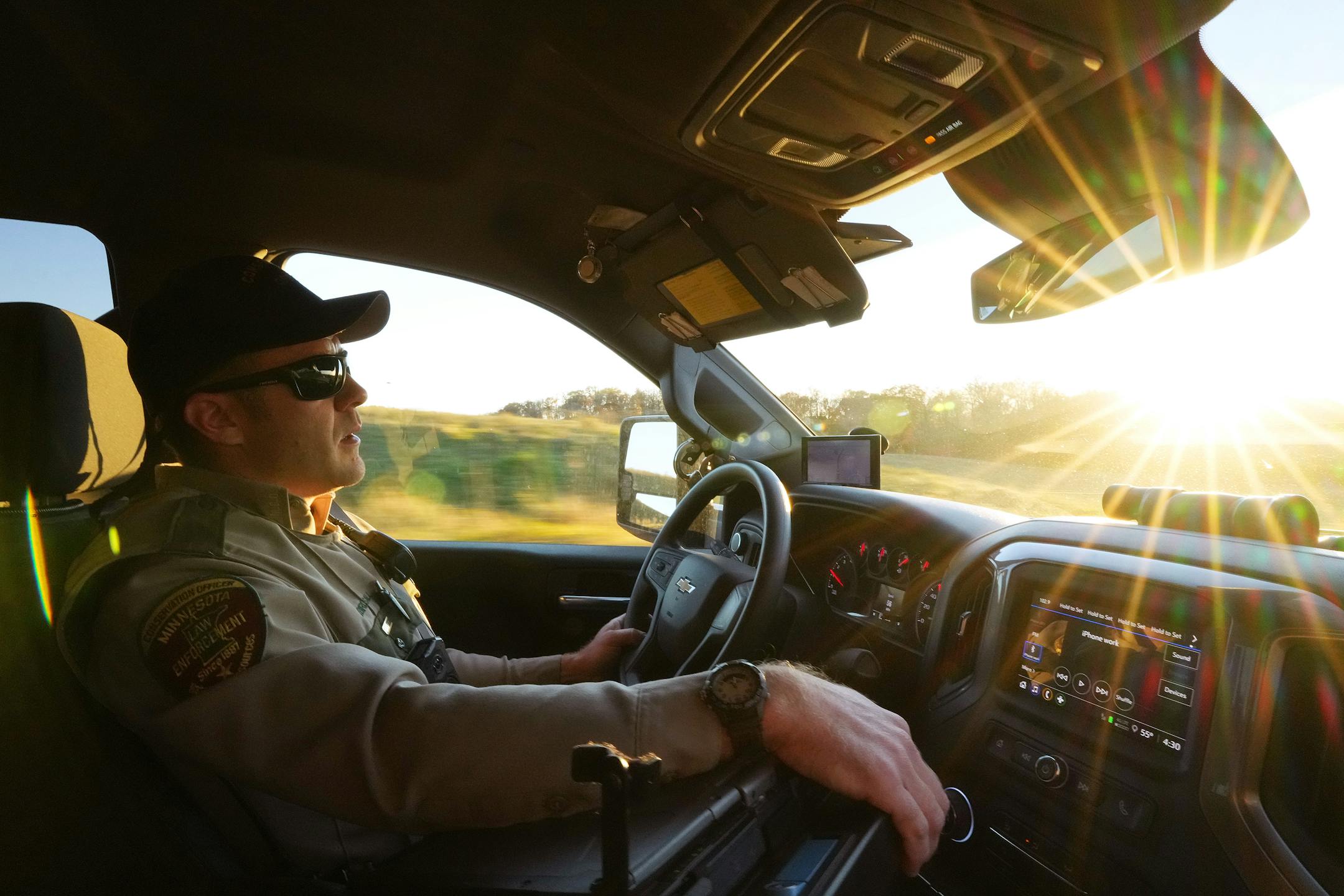
WACONIA, MINN. – As light drained from the sky, conservation officer Alexander Birdsall bumped along in his Silverado 2500, crisscrossing isolated farm fields and patrolling for trouble.
His focus west of town was “outlaw area,” as he called it. This time of year, shining deer and shooting from this stretch of gravel are common offenses, and not always caught.
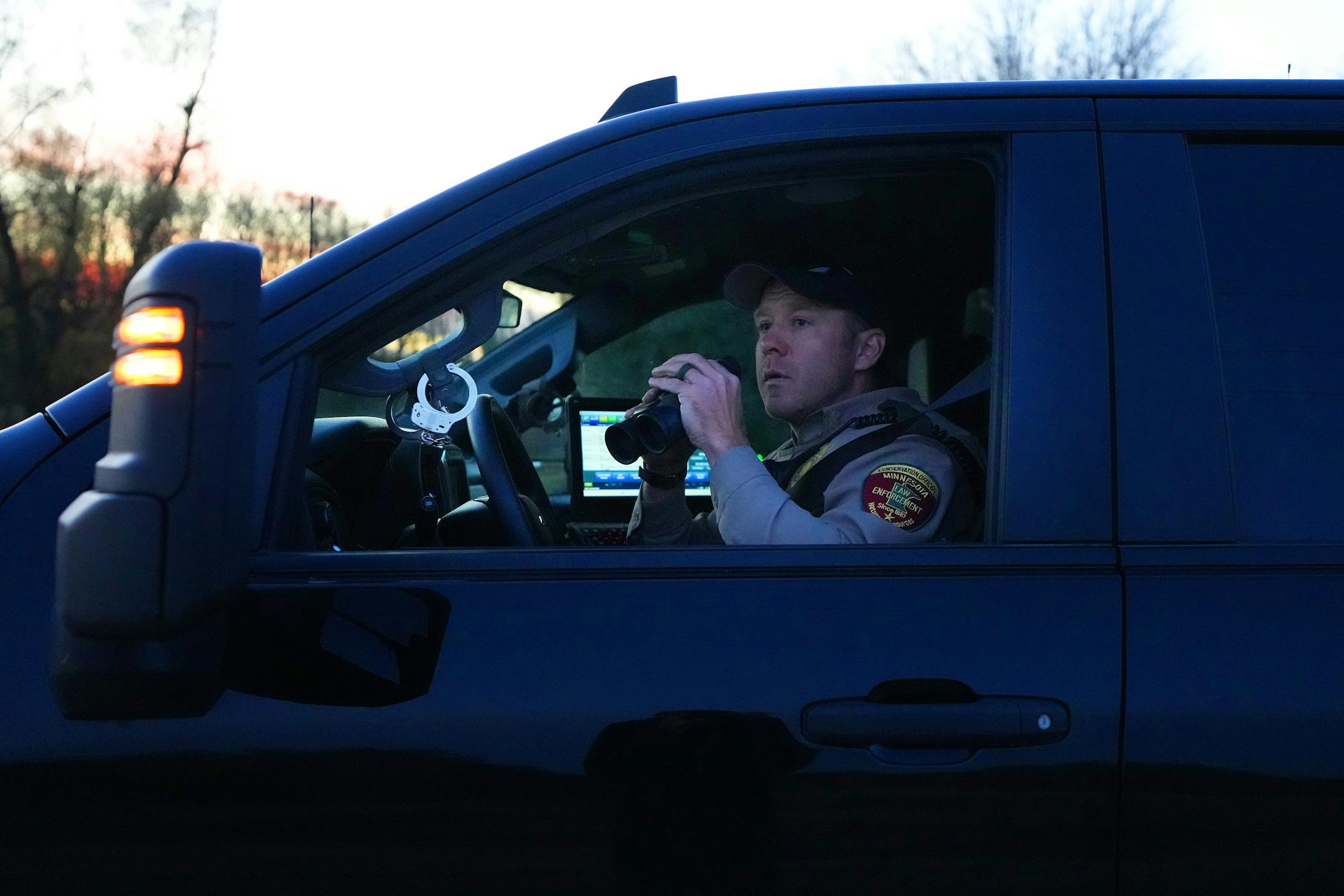
A small dome of light, almost headlamp-like, beamed from a low area about 50 yards off the road. Then it flicked off as Birdsall rolled past.
The light could easily have been missed. Yet Birdsall has had an eye on that spot since he saw a bit of yellow corn poking through snow a few years back. He would be back.
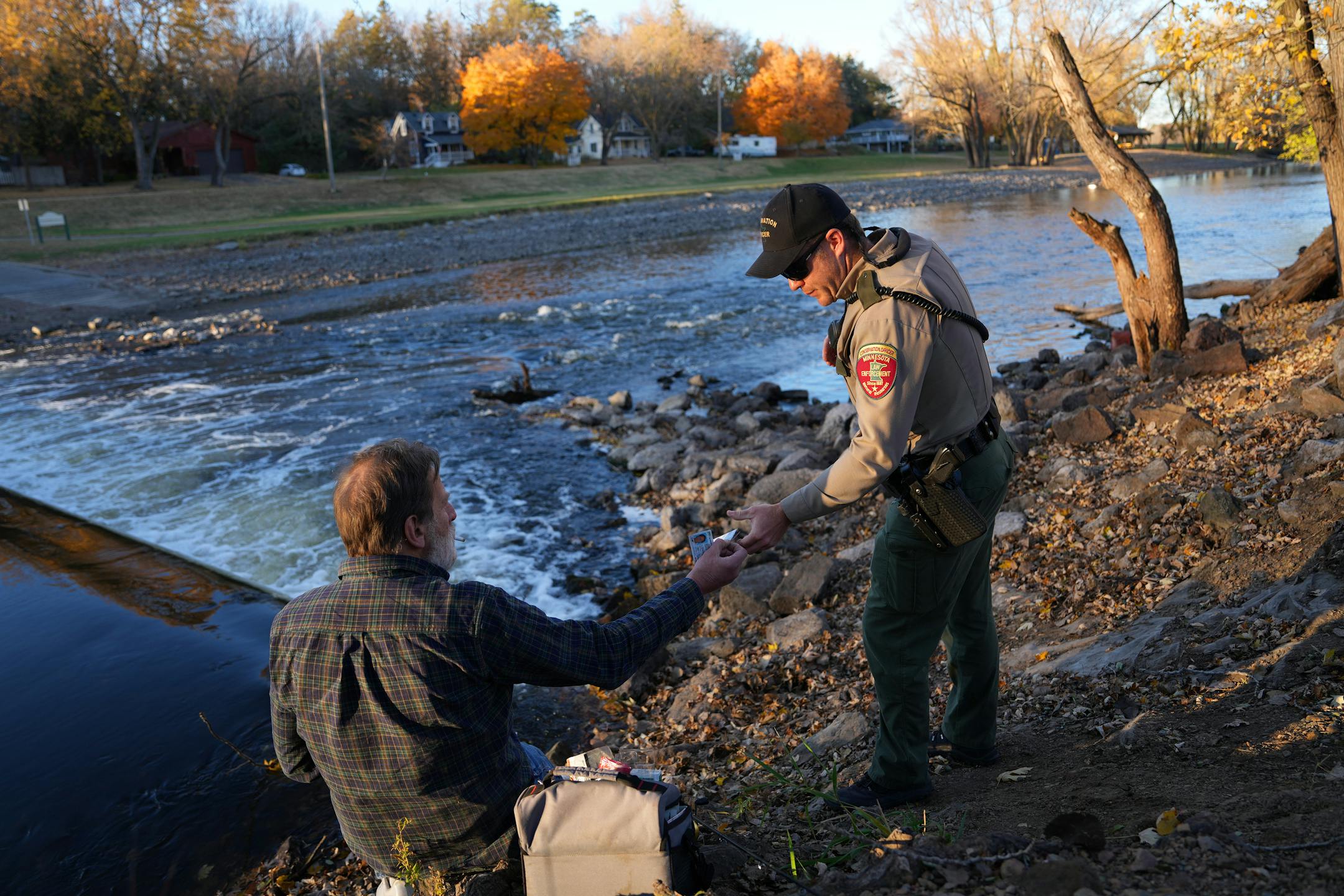
That same afternoon, he checked anglers’ licenses. He discussed lake conditions with a windsurfer. He surveilled a possible baiting location. A deer hunter called him. A federal land officer rang him up about poaching.
“We joke that we work when everyone else plays,” said Birdsall on a blustery November afternoon in Carver County.
The refrain is especially true this time of year. In autumn, conservation officers, or COs, find themselves rushing from one task to another in the woods, fields and waters of Minnesota.
The scene is already busy with pheasant, duck, small-game and bow hunters, and late-season anglers. And conservation officers’ duties have changed and accelerated over the last 20 years, said Robert Gorecki, one of their lead officers at the Department of Natural Resources.



![Attendees of Frostbike made their way through the convention Saturday at the Quality Bike Products campus in Minneapolis. ] (AARON LAVINSKY/STAR TRIBUNE) aaron.lavinsky@startribune.com Frostbike 2016 was held at the Quality Bike Products Campus on Saturday, Feb. 27, 2016 in Bloomington, Minn.](https://arc.stimg.co/startribunemedia/NH2BSHB74ND2V6GF2G2HI5X4MM.jpg?&w=252&ar=3:2&fit=crop)
