

A half-century ago, as a high school student in Madelia, Minn., I did not know a single black person.
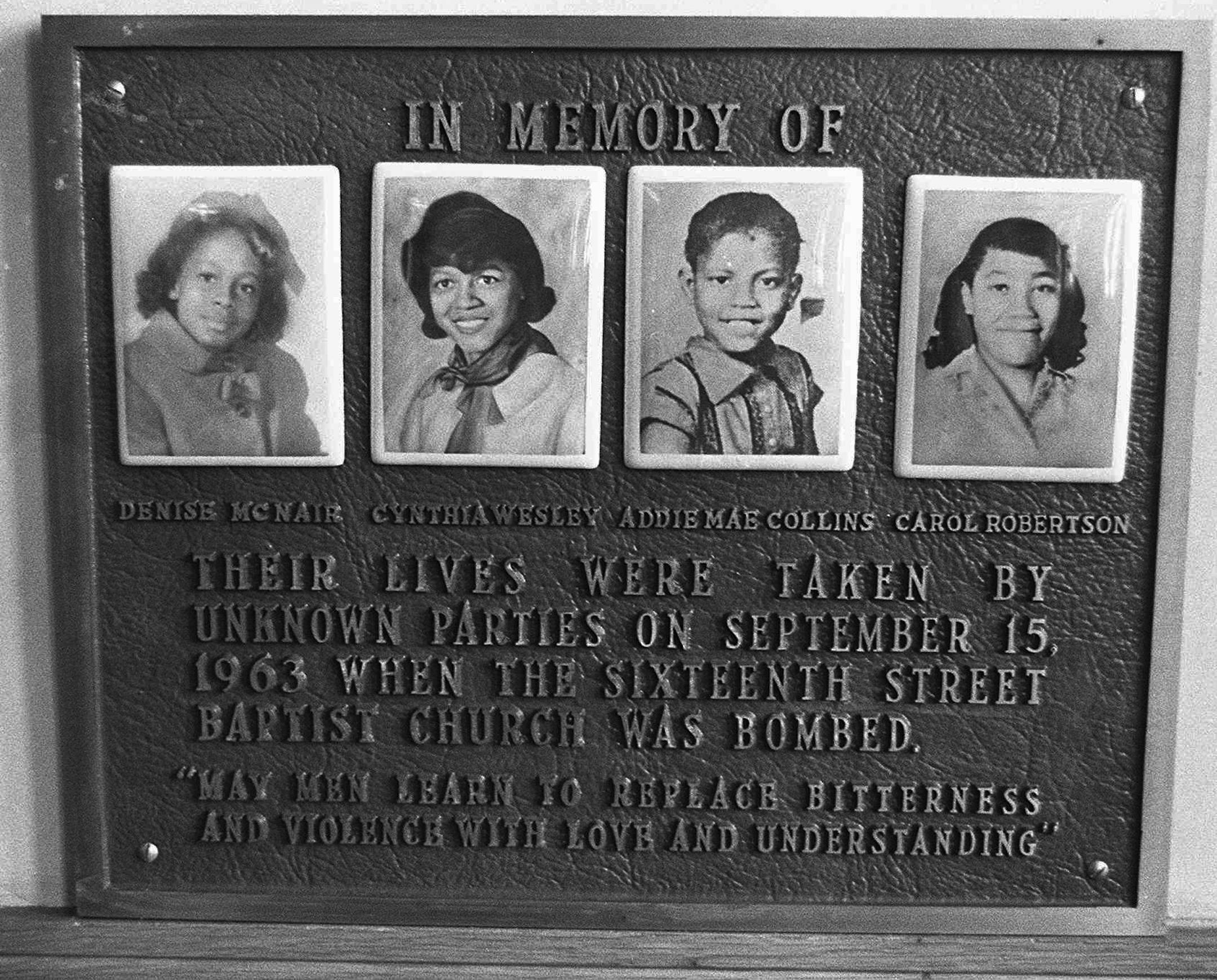
Yet I recall with clarity when we learned on Sunday, Sept. 15, 1963, of the Ku Klux Klan-instigated bombing of Birmingham's 16th Street Baptist Church, an act that killed four young girls as they prepared to perform with their Sunday-school choir.
Five weeks later, on Nov. 22, 1963, we sat riveted in front of our televisions witnessing the aftermath of the assassination of President John F. Kennedy in Dallas.
Thirty-four weeks after that tragic day, on Aug. 6, 1965, President Lyndon B. Johnson signed the Voting Rights Act that had passed Congress with 80 percent of the Republican votes (and nearly two-thirds of the Democratic ones).
It was mere happenstance this year that my wife, Francelle, and I, along with Allan and Lou Burdick of Minneapolis, undertook a 50th anniversary civil-rights tour in Alabama on the day after the U.S. Supreme Court overturned Section 4 of the Voting Rights Act, voiding the legislative formula that determined which jurisdictions must get federal "preclearance" for any changes to their voting laws. The challenge was brought to the nation's highest court from Shelby County, through which we traveled on our way from Birmingham to Selma.
Most Alabamans — white or black —whom I casually engaged on the court's decision either had no opinion or were unwilling to share one. One retired white businessman in Selma supported the decision, saying that "absolutely no one here is denied a vote; 90 percent of us get along just fine." But another white male, in Birmingham, thought there should be "no change in the current law whatsoever."
Joanne Bland, a founder of the National Voter Rights Museum in Selma, strongly opposed the decision. Bland, who is black and retired from a 20-year military career spent mostly in Germany, has a deep history with civil rights. Arrested at age 8 with her grandmother, who was unsuccessfully seeking to register to vote in 1962, Bland was arrested 12 more times in similar protests before graduating from high school.
Critics of the court's 5-4 split decision argue that the Voting Rights Act has been arguably the most effective civil-rights tool in American history. Backers of the opinion say the law's provisions are no longer needed.


