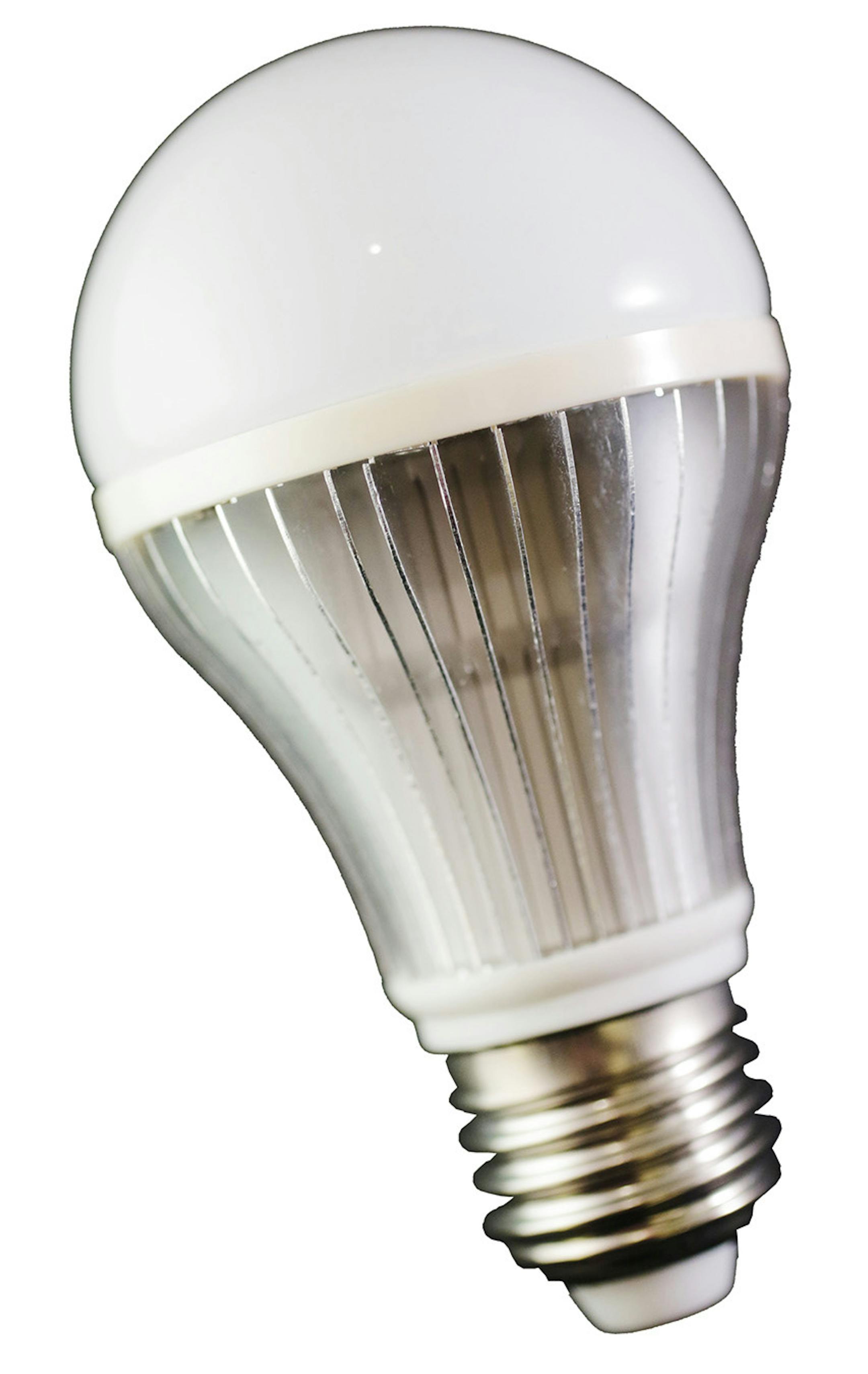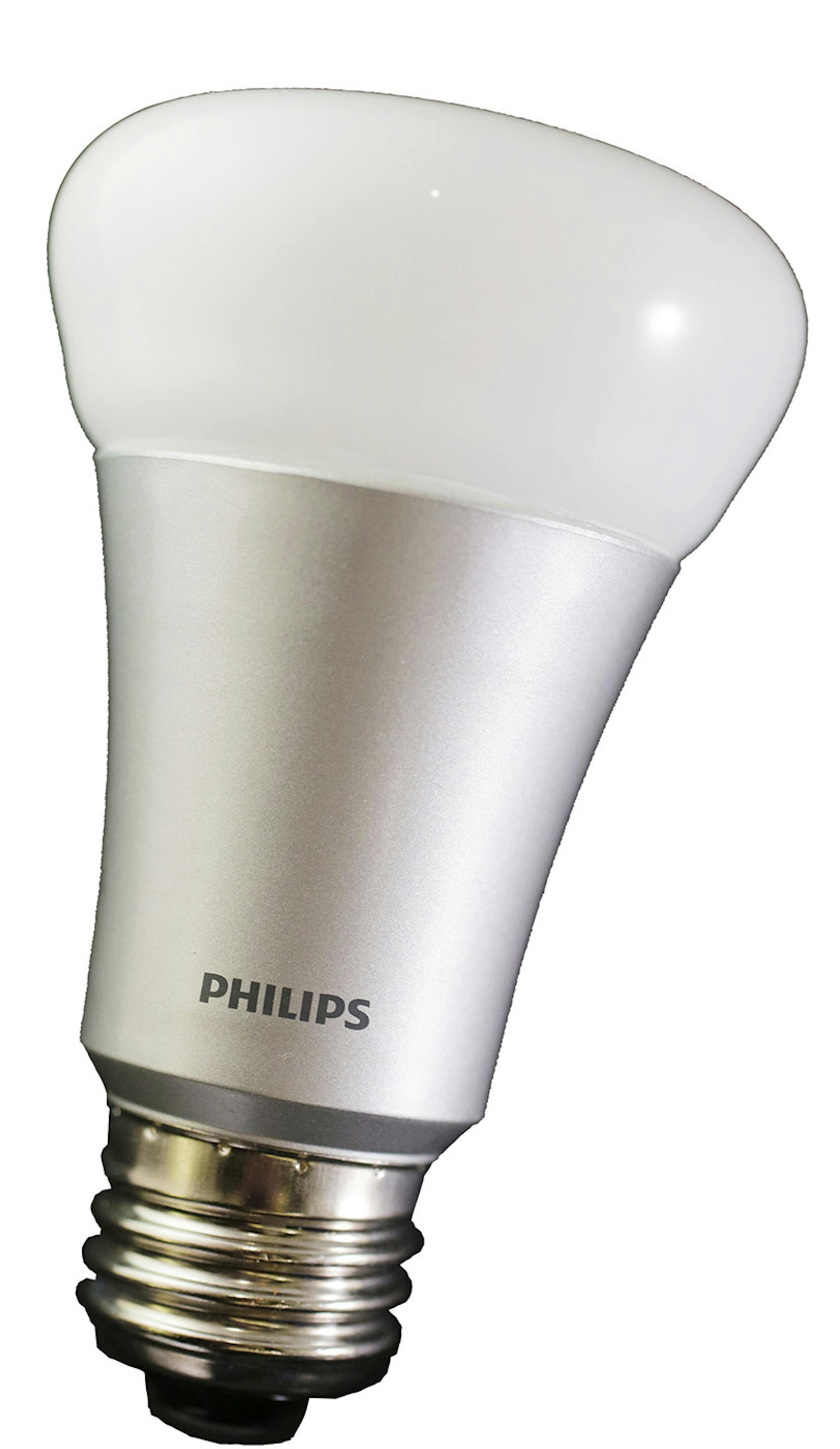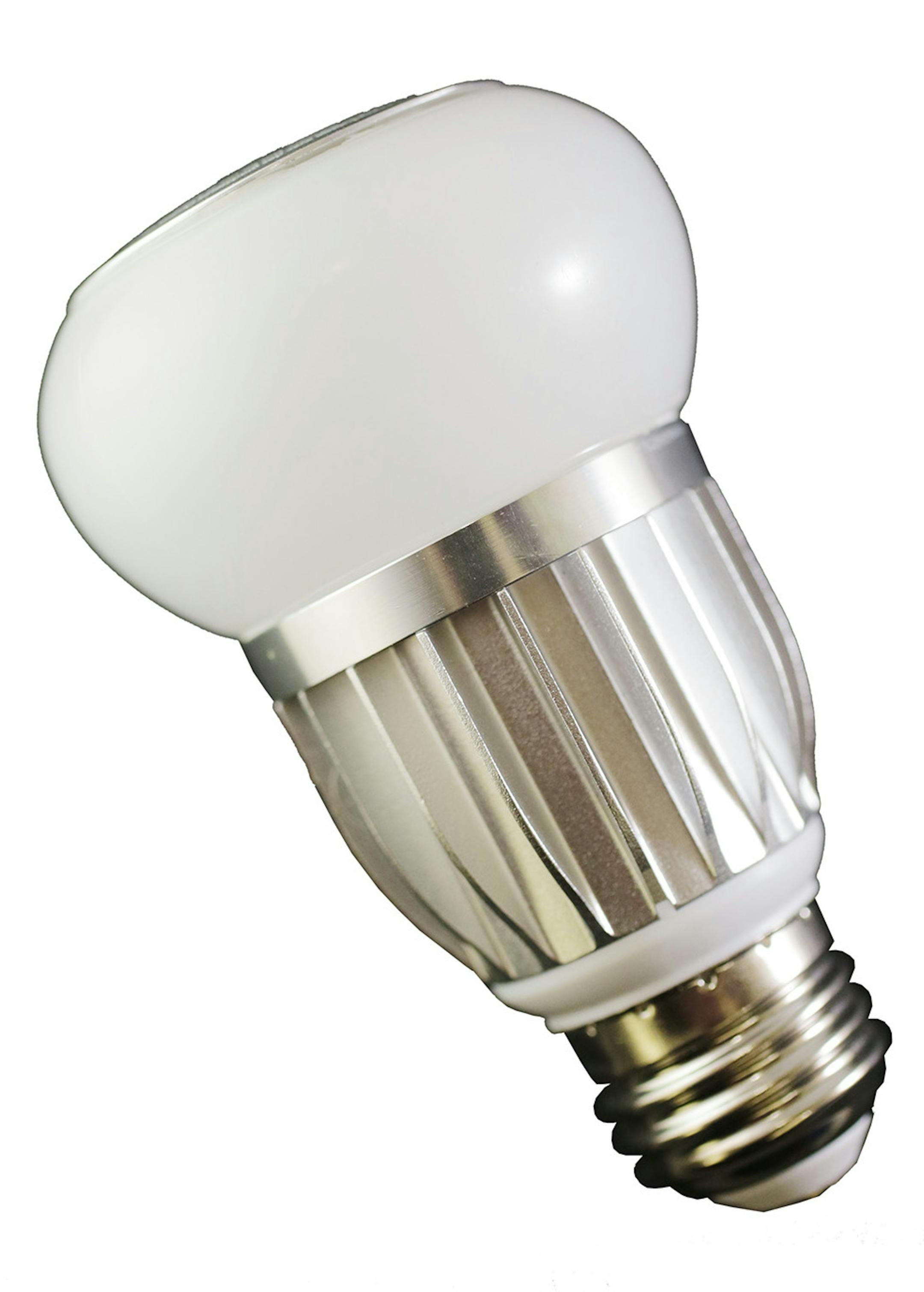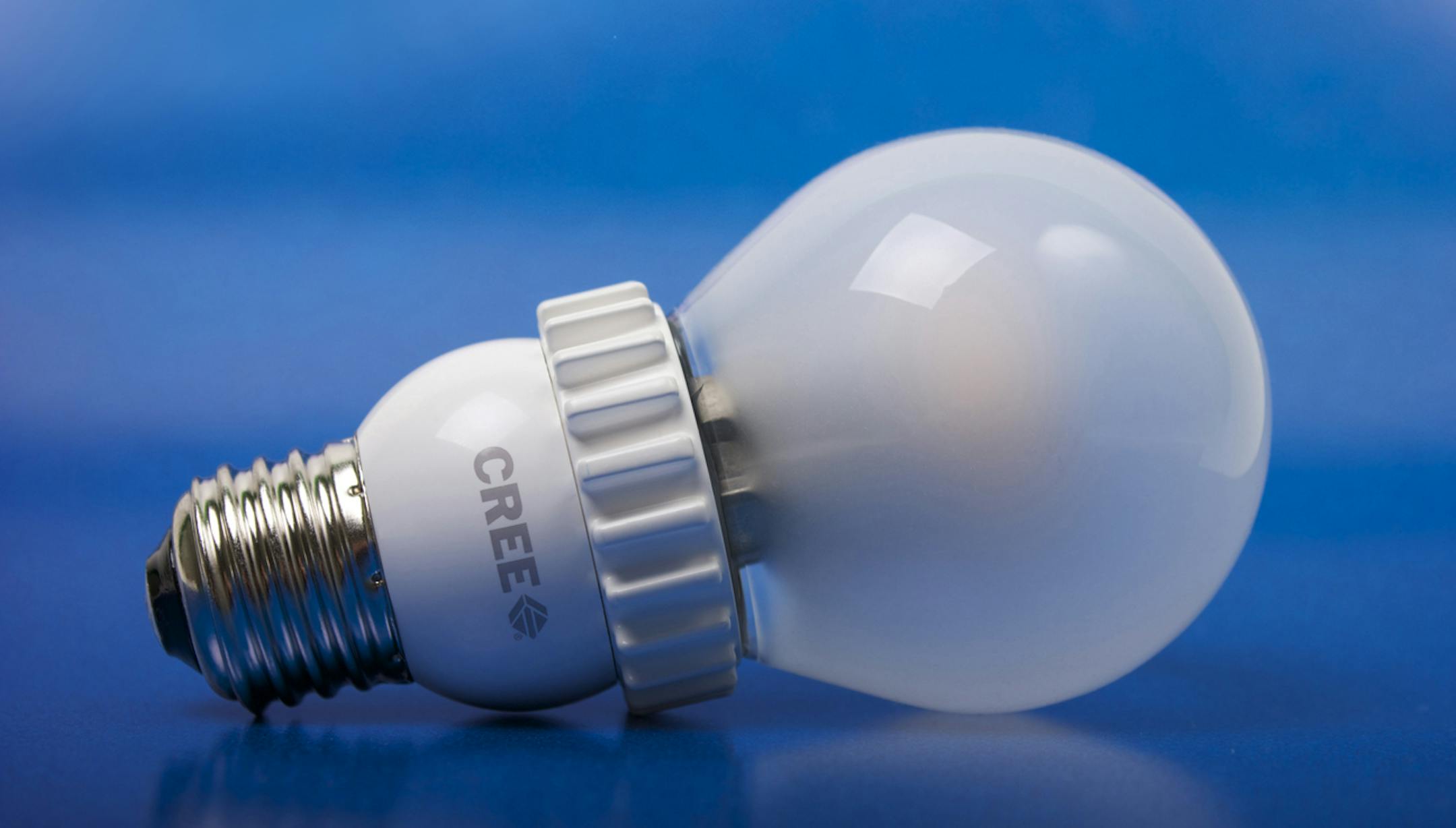
If consumers are willing to spend $5 for a cup of coffee, how about $25 for a light bulb?
Ned Kantar of Minneapolis recently forked over that much to replace one reflector floodlight with an energy-efficient LED bulb. For the extra $10 to $15, he doesn't have to get the ladder out nearly as often.
The LED bulb has a 20-year life span, and he's happy with the instant-on and the warm color. "If they were $8 instead of $25, I'd have replaced all of them," he said.
Kantar and other consumers will have to wait a couple of years for that, but an LED version of the 60-watt bulb just broke $13.
The price of LEDs is finally following the lead of HDTVs, said Mike Connors, CEO of Bulbs.com in Massachusetts. "They're getting to a point where more people are willing to splurge," he said.
Thanks to subsidies from utilities such as Xcel Energy, improved quality and lower manufacturing costs, sales are expected to rise significantly this year, Connors said.
Part of shift is by default. Since last year, incandescent bulbs are being phased out. The 75-watt and 100-watt bulbs are no longer being manufactured, and the 40- and 60-watters will be eliminated next year.
Although retailers can still sell the bulbs if they have supplies, most retailers are now stocking halogens, compact fluorescents and LEDs, with only a few incandescent choices.