
9 lesser-known spots for BWCA planners looking to beat the reservation rush

January 25, 2026
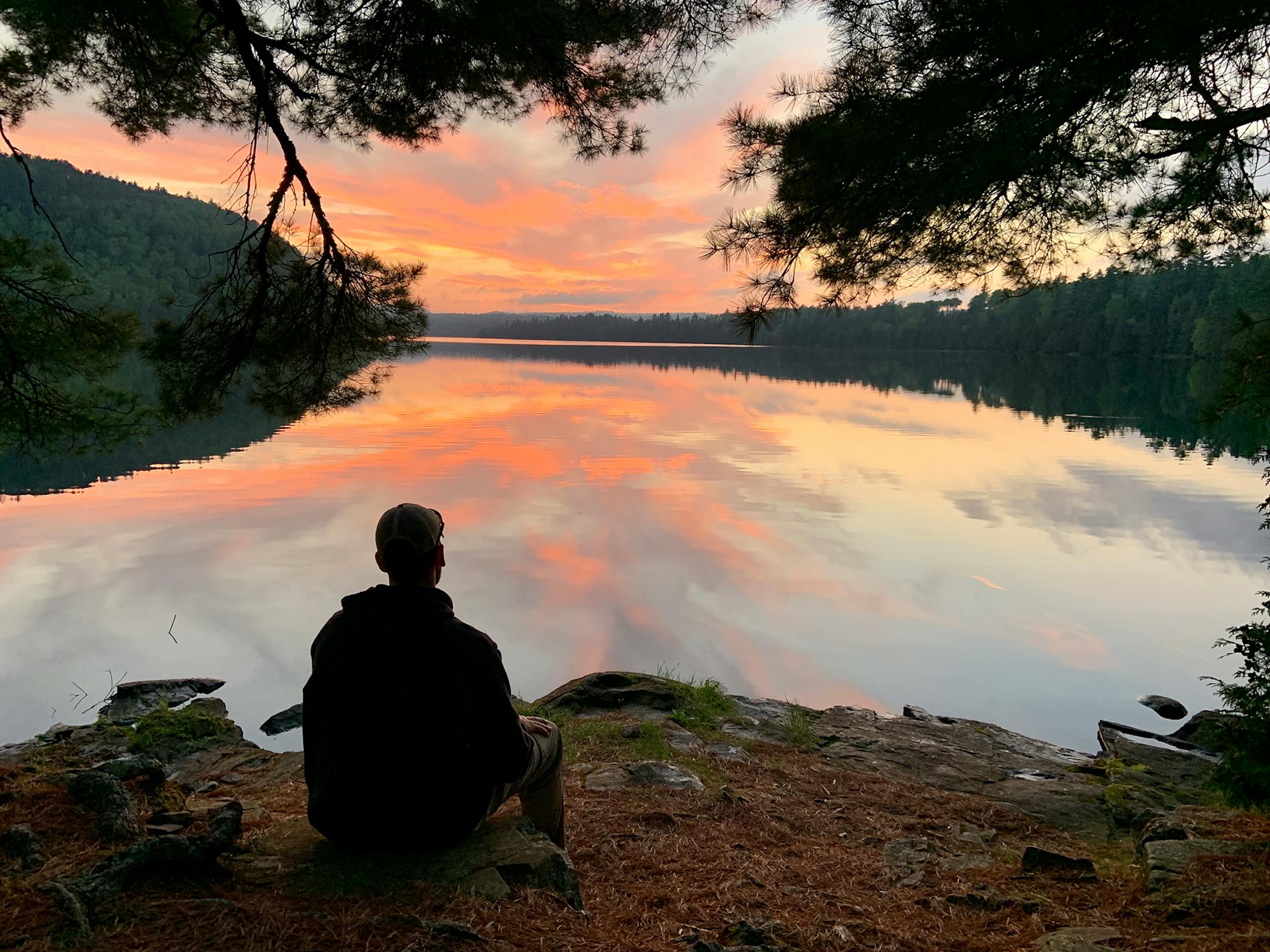
Canoe campers will again book their permits to enter this the Boundary Waters Canoe Area Wilderness between May 1 and Sept. 30. The reservation system goes live Jan. 28. (Bob Timmons/The Minnesota Star Tribune)

Canoe campers quickly snap up popular entries and dates. Experts share some lower-demand locations that are still rewarding.

The Minnesota Star Tribune

Like the fishing opener or a major marathon signup date, the last Wednesday of January has a celebratory feel for some Minnesota outdoors lovers. It is when the window opens to reserve trips into the million-acre Boundary Waters Canoe Area Wilderness.

This year, canoe country enthusiasts will be able to start booking trips for May through September at 9 a.m. on Jan. 28. No doubt, that excitement will be tinged with angst, too.

The first-come, first-served system, coupled with a reduced number of quota permits, has in recent years created a booking surge that can make securing a permit at popular entry points and on popular weekends a long shot.

Adding to the bottleneck is an ongoing issue with overbooking. According to data from the U.S. Forest Service, managers of the BWCAW, more than 2,100 permit-holders no-showed in 2024, while more than 6,400 others canceled. More than 12,600 were issued.

But fear not, canoe camper. Several seasoned outfitters have advice for lightly used or lower-demand entry points to suit interests, from fishing trips to multiday travel.

They encouraged travelers of any level of experience to stick to fundamentals: Research trips and plan ahead, especially if they are considering new entry points.

“I try to discourage people getting the off-the-wall permits [into difficult terrain] because we’ve had issues with folks simply not understanding how hard this is and then hating the trip,” said Dave Seaton of Hungry Jack Outfitters on the Gunflint Trail. “Know your skill level.”

Those who don’t know they need to book early still can have a shot at going on a BWCAW trip, said Ginny Nelson of Spirit of the Wilderness, an Ely outfitter. “Consider picking a less-popular date for an entry that is in high demand.”

All reservations are made online through recreation.gov, or by calling 877-444-6777. A permit is $16 for an adult and $8 for a child age 17 and younger, with a $6 reservation fee. The Forest Service suggests setting up a recreation.gov account ahead of time to ease the process.

Outfitters’ suggestions, lightly edited and condensed:

For experienced, multiday travel

Entry Point 4 / Crab Lake and Cummings Lake: The Forest Service recently added two new campsites on the Little Indian Sioux River in the Trout Lake Unit. This has opened up a travel route for canoeists looking for a new area to explore. The route travels through some incredibly remote and very “moose-y” territory. The route is lightly used, and the portages can be overgrown and a challenge to spot in the summer. You’ll want to travel downstream on the route, which typically begins at the Crab Lake entry point and ends at the Echo Trail. — Jason Zabokrtsky, Ely Outfitting Co.

For easy in, easy out

Entry Point 25 / Moose Lake: Moose Lake entry is a busy place, but it almost always has availability in the spring or later fall. Starting here and getting a towboat shuttle can make this route feel easier. It also gets groups past the windy part to Ensign or Birch lakes. You have just a few portages at either drop point that gets you to a number of fun, smaller lakes. — Ginny Nelson, Spirit of the Wilderness

Entry Point 31 / Farm Lake: A pretty easy paddle awaits across to the North Kawishiwi River. There are a few longer portages depending on which way you travel, but just making it to Clear Lake and hanging out there for a few days can be a quick and easy area. You could also head into South Farm Lake instead and have the place to yourself. Just watch the wind coming back across Farm Lake on your way home. — Ginny Nelson

For young families

Entry Point 6 / Slim Lake: This entry point is more lightly used and one that locals enjoy for a quick wilderness retreat. It works well for parents with young kids and those who want an easier trip to get a taste of wilderness. The entry point accesses a quiet area, with nice campsites, big pine trees and good swimming. Just one flat portage is the gateway to four lovely campsites on the lake. A few more optional portages lead to several other small lakes, each with just one campsite, for extra solitude. — Jason Zabokrtsky

For the inexperienced

Entry Point 64 / East Bearskin Lake: The trip from East Bearskin to Alder Lake is great. The main thing is to not get a permit for entry with really long portages. It’s enough just to learn the skills and bring the right stuff. Don’t make it harder than you can enjoy. Everyone overestimates what they think they can do until they’ve been in the wilderness and face reality. — Dave Seaton, Hungry Jack Outfitters

Entry Point 40 / Homer Lake: An entry that provides easy access, without traveling too far, to a couple of quiet lakes with good fishing and solitude. The portages are short. There are a lot of nooks and crannies to explore in this out-of-the-way corner of the wilderness. — Dan Shirley, Sawbill Canoe Outfitters

For good fishing

Entry Point 36 / Hog Creek: This entry is an out and back along Hog Creek that leads to Perent Lake, with only one very short portage along the way. The paddle takes a couple of hours, but it is simple paddling and minimal current (except during early season high water). Perent is great for base camping, and it is a great fishery. Nice campsites are numerous. — Dan Shirley

Entry Point 66 / Crocodile River: A relatively easy entry for walleye fishing. It’s a dead-end lake, and you have to spend all your nights on Crocodile, but it is worth it if you are looking for fish. — Dave Seaton

For day trips from camp

Entry Point 34 / Island River: Stay on Island River and search for pictographs, or head a bit north to the Isabella River. The wild rice grows thick during later summer, so this might be an easier outing in the spring. — Ginny Nelson

Also worth knowing

  • Permits: Forest Service ranger stations distribute permits. So do some businesses, such as outfitters. Only the permit holder or a listed alternate can pick up a permit, and only the day before or day of entry. Identification is required.
    • Group size: The maximum is nine people and four watercraft per permit. The average group size is four or five people.
      • Other planning: Find entry point maps and data, trip advice and more online. Two useful resources are the Forest Service webpages at bit.ly/bwcawinfo. Check out BWCA.com, too. The Forest Service also has a downloadable planning guide at bit.ly/FSBWCAW.
        about the writer

        about the writer

        Bob Timmons

        Outdoors reporter

        Bob Timmons covers news across Minnesota's outdoors, from natural resources to recreation to wildlife.

        See Moreicon

        More from Outdoor Activities

        See More
        card image
        Bob Timmons/The Minnesota Star Tribune

        Canoe campers quickly snap up popular entries and dates. Experts share some lower-demand locations that are still rewarding.

        card image
        card image