

The lesson of presidential power is not learned from how it is exercised in the best of times but how it manifests in crisis. In crisis come mistakes and from mistakes hopefully come knowledge to improve future decisions.
A long list of presidential miscalculations in foreign policy have defined governing legacies, reshaping leadership for a sitting president and sometimes future occupants of the Oval Office.
In 1961, John F. Kennedy launched the Bay of Pigs invasion of Cuba, a covert operation to overthrow Fidel Castro. From the start, an unsound strategy, woeful tactics and a trove of intelligence blunders doomed it. From that crisis, JFK accepted blame and reorganized his advisers and decision-making processes. When confronted by the Cuban Missile Crisis a year later, Kennedy asked the right questions and guided the nation to the other side of a nuclear threat that could have killed 80 million Americans in a matter of moments.
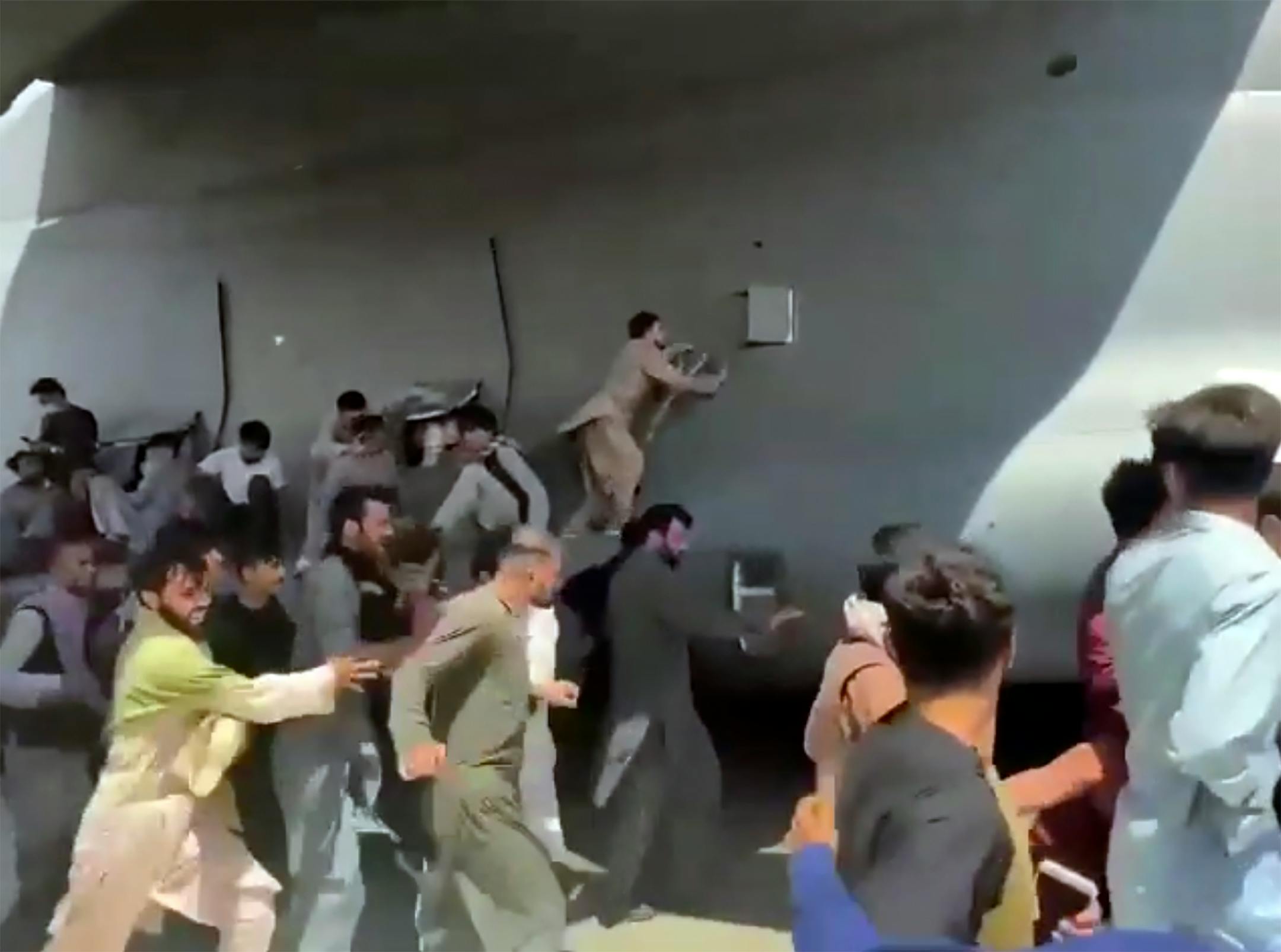
President Joe Biden has already said he will not demand resignations for the death of 13 service members and countless Afghans at the hand of a suicide bomber during the final days of the airlift. This week, Biden described the evacuation as an "extraordinary success" although Americans and Afghans who wanted to leave remained as the last plane departed without them.
Still, questions must be answered, both internally and externally, about the decisions and tactics leading up to and through the United States' final moment in Afghanistan. Historians and pundits will debate whether the die of inevitability was cast years ago, but there can be no denial of the departure from Kabul, while historic and massive, heroic and tragic, also represented a failure of imagination.
We've heard that critique before in presidential history. Yale psychologist Irving Janis called the decision-making mistakes of the Bay of Pigs disaster as "groupthink," which has come to describe the pursuit of consensus in a way that prevents alternatives from being properly considered. According to a Harvard Business Review case study, historian Arthur Schlesinger later wrote that "our meetings were taking place in a curious atmosphere of assumed consensus, [and] not one spoke against it."
The nation must traverse the avenue of tough questions in regard to Afghanistan. The after-action review of the 9/11 Commission, an independent, bipartisan panel, identified missed signs, unresolved contradictory intelligence and information silos that collected crucial information but were unable or unwilling to connect to threat indications in other parts of government. The commission's overall conclusion was that coordination and information sharing could have presented a clearer and perhaps actionable warning of the pending terrorist attacks on the Twin Towers and the Pentagon.
Into this moment, we urge Congress to authorize an independent, bipartisan commission to review the final stages of the end of American presence in Afghanistan — from the Trump administration's ill-advised unilateral peace agreement with the Taliban through the Biden administration's chaotic evacuation.


