

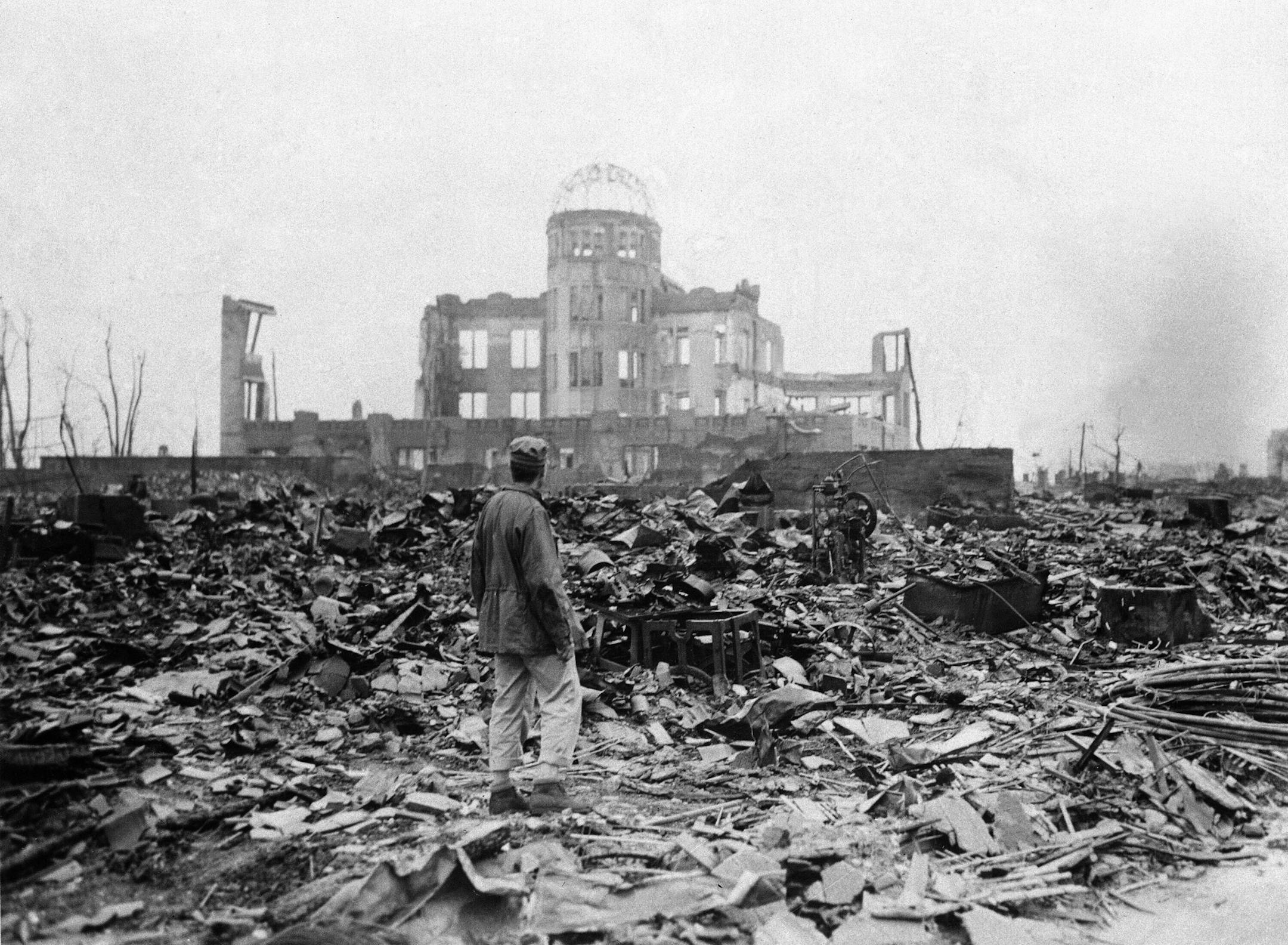
This month marks the 75th anniversary of the dropping of two atomic bombs on Japan, at Hiroshima on Aug. 6, and Nagasaki on Aug. 9.
Each year, Americans argue about our supposed moral shortcomings for being the only nation to have used an atomic weapon in war.
Given the current cultural revolution that topples statues, renames institutions, cancels out the supposedly politically incorrect and wages war on America's past, we will hear numerous attacks on the decision of Democratic President Harry Truman to use the two terrible weapons.
But what were the alternatives that Truman faced had he not dropped the bombs that precipitated Japan's agreement to surrender less than a week after the bombing of Nagasaki and formally on Sept. 2?
One, Truman could have allowed Japan's wounded military government to stop the killing and stay in power. But the Japanese had already killed more than 10 million Chinese civilians since 1931, and perhaps another 4 million to 5 million Pacific Islanders, Southeast Asians and members of the Allied Forces since 1940.
A mere armistice rather than unconditional surrender would have meant the Pacific War had been fought in vain. Japan's fascist government likely would have regrouped in a few years to try it again on more favorable terms.
Two, Truman could have postponed the use of the new bombs and invaded Japan over the ensuing year. The planned assault was scheduled to begin on the island of Kyushu in November 1945, and in early 1946 would have expanded to the main island of Honshu. Yet Japan had millions of soldiers at home with fortifications, planes and artillery, waiting for the assault.
The fighting in Japan would have made the prior three-month bloodbath at Okinawa, which formally ended just six weeks before Hiroshima, seem like child's play. The disaster at Okinawa cost the U.S. 50,000 casualties and 32 ships — the worst battle losses the American Navy suffered in the war. More than 250,000 Okinawans and Japanese soldiers were killed as well.


