
3 takeaways from Destination Medical Center’s plan for downtown Rochester’s next 5 years

DMC officials are outlining more project interests and goals to meet in the $585 million initiative.

The Minnesota Star Tribune
November 25, 2025 at 6:42PM
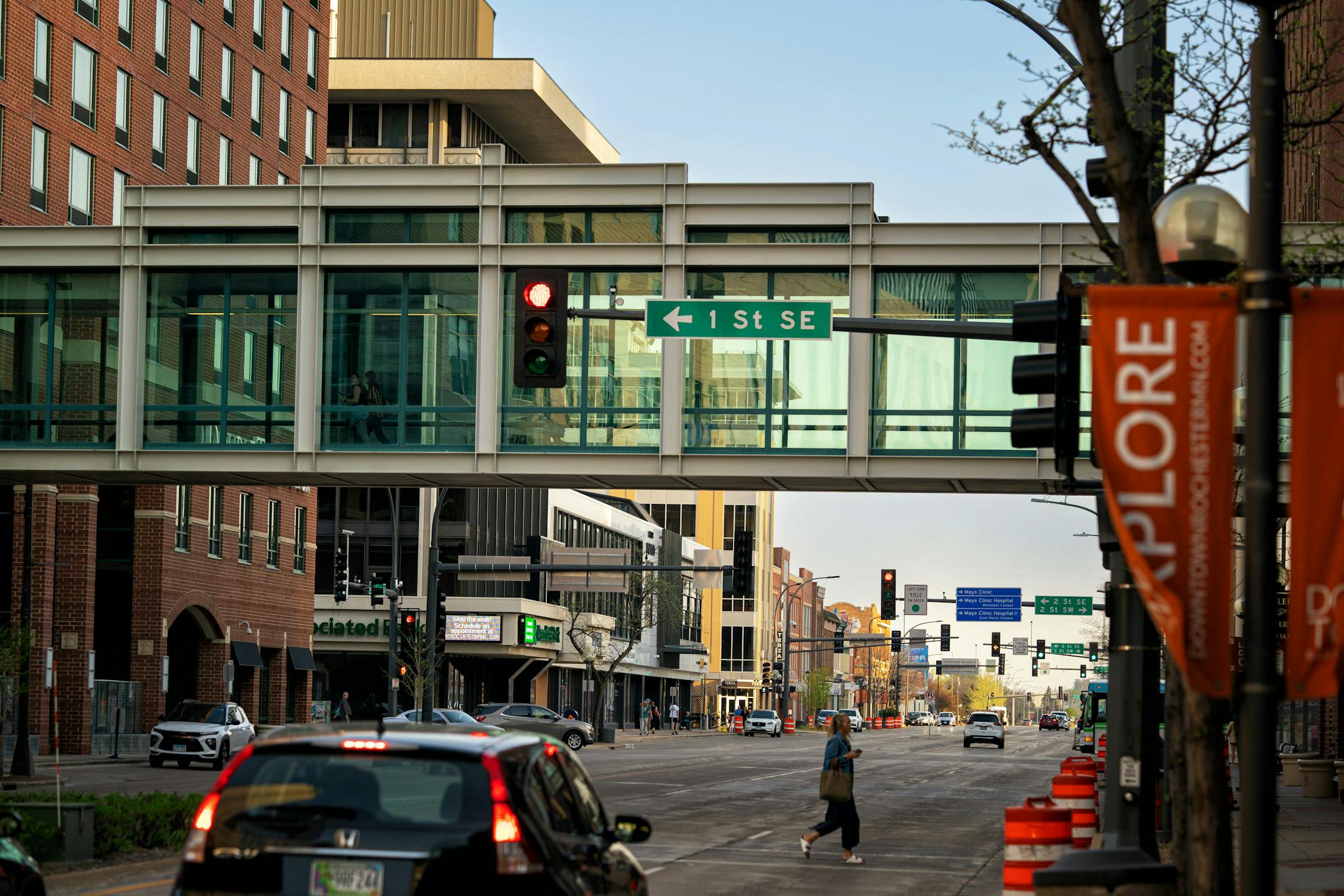
Rochester's Destination Medical Center initiative has already helped fund 15 city blocks’ worth of redevelopment, including housing and medical research space. (Glen Stubbe/The Minnesota Star Tribune)

ROCHESTER – This past fall, Destination Medical Center officials promised the next few years of growth in downtown Rochester would look like a century’s worth of construction in other cities.

Now DMC staff have unveiled a new five-year plan for how the publicly funded initiative hopes to make that happen. A 178-page report went public last week; DMC officials presented its update to city officials Monday.

Next comes gathering public feedback before the agency finalizes the report in early 2026. Light on specific projects but heavy on vision, the plan outlines how DMC could help Rochester grow into “the economic engine of Minnesota,” according to local officials.

Here are the key takeaways from the report:

DMC is trying to better explain itself

Since its founding, DMC has been lauded and derided for the funding it’s spent on public projects — more than $200 million so far — throughout downtown. Many residents are still confused over what DMC actually does, and DMC officials acknowledge they’ve had issues in the past communicating exactly how the initiative helps the community.

To start, DMC is a city, county and state-funded initiative to transform downtown Rochester into an international medical hub with Mayo Clinic as its anchor. To do that, DMC pays for public infrastructure — think utilities, waterlines, street reconstruction, etc. — to make projects happen that boost downtown.

The Minnesota Legislature approved $585 million in combined funding for the initiative in 2013, which can be spent only in the downtown district. DMC officially started in 2015; it receives money over 20 years to spend on infrastructure and is halfway through its lifecycle.

DMC’s latest report largely focuses on the work it’s done over the past decade, and highlights further plans to address downtown Rochester’s needs. The updated report spells out some specific accomplishments, from medtech space developed with One and Two Discovery Squares to 15 city blocks’ worth of redevelopment to doubling the number of housing units downtown.

DMC’s goals defined

DMC has a better grasp on how it can help Rochester in part because of those accomplishments, according to DMC Executive Director Patrick Seeb. For example, the initiative hadn’t counted on funding housing projects at first but is prioritizing downtown housing opportunities as they come up.

The new plan identifies areas where DMC could help fund projects, from day care centers downtown to more medical labs and research space (think a third Discovery Square, though DMC officials don’t specifically call for a third building.)

It also means supporting newer technologies like health care AI and more advanced facilities such as memory-care institutions. And DMC could even support infrastructure for more grocery stores and attractions like high-tech spas or science museums if officials feel the projects could benefit downtown.

“The update … tries to identify new ways for us to flex, if you will,” Seeb said. “Where do we try to organize community resources, organize our own resources?”

Council wants more for the city itself

DMC largely funds proposals city staff or developers make, but some on the Rochester City Council want to see the initiative commit more of its resources to city issues.

Council Member Shaun Palmer pointed out downtown concerns such as higher property values and taxes affecting business owners. Palmer also asked why DMC isn’t supporting more for-sale housing units being built downtown rather than units for rent.

Catherine Malmberg, DMC’s director of public infrastructure and development strategy, said the initiative is supporting a housing project along 2nd Street SW. that would include four condominiums at affordable prices but developers have typically shied away from similar, larger projects in recent years because of profitability concerns.

“That’s one way DMC is working to help test something, even if it’s starting small right now,” Malmberg said.

Council Member Nick Miller said he’d like to see more on how DMC will measure its future success, while Council Member Dan Doering said he was concerned DMC officials haven’t properly spelled out projects.

Support non-Mayo spaces, too

Council Chair Randy Schubring said he’d like to see more balance between bringing in more medtech, high-level health care companies and supporting existing businesses downtown.

“I fully believe that we are the economic engine of Minnesota, but we kind of have to work on the block-by-block storefronts as well to really show that to our residents and visitors,” Schubring said.

about the writer

about the writer

Trey Mewes

Rochester reporter

Trey Mewes is a reporter based in Rochester for the Star Tribune. Sign up to receive the Rochester Now newsletter.

See Moreicon

More from Rochester

See More
card image

The City Council’s decision to move forward with an outdoor sports complex has drawn the ire of DFL lawmakers.

card image
card image