

Opinion editor's note: Star Tribune Opinion publishes a mix of national and local commentaries online and in print each day. To contribute, click here.
•••
Sugar in the U.S. costs nearly twice as much as elsewhere in the world, raising prices for candy, baked goods, ice cream and more. The reason is no mystery. A government farm-subsidy program in effect since the 1930s blocks cheaper imports and controls the price and quantity of sugar in our marketplace. As in the days of Soviet central planning, the program benefits a few at the expense of the many.
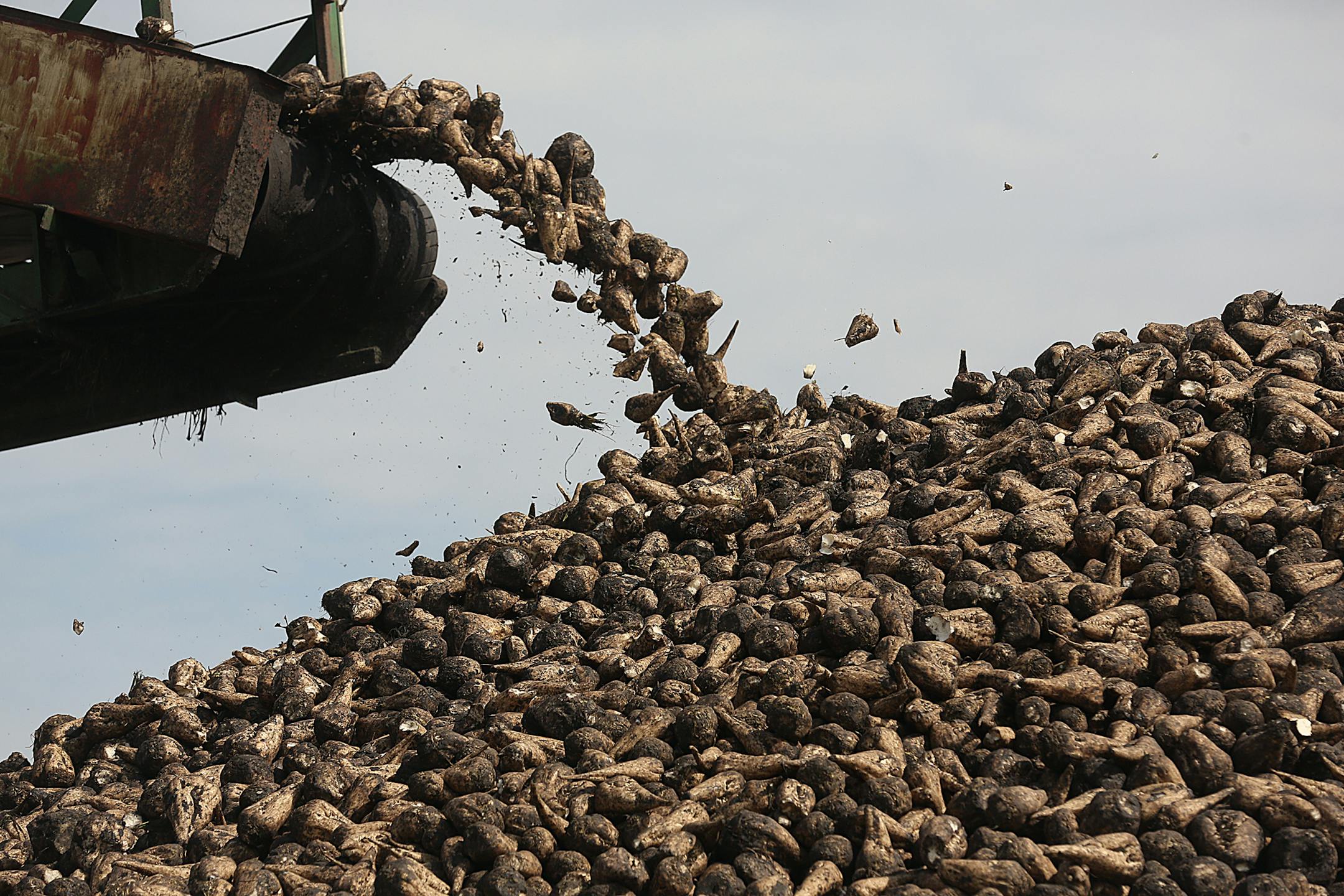
The main culprits? A small group of domestic sugar processors, sugar cane growers in Florida, Louisiana and Texas, and sugar beet producers in a handful of mostly northern states. Lining the pockets of this wealthy, politically connected pressure group costs U.S. consumers at least $2.4 billion at the grocery store each year.
Someday, the price-gouging must stop, and reformers have high hopes for the 2023 farm bill — the federal farm and food policy legislation that comes up for renewal every five years. Voters are justifiably angry about the high cost of food, and no doubt would support eliminating a hidden tax that assaults bedrock principles of capitalism and fair trade.
But change will only happen over the objections of politicians (like Florida's GOP Sen. Marco Rubio) who've taken six-figure campaign contributions from Big Sugar. So have many other politicians on both sides of the aisle.
The current version of the U.S. sugar program, established in 1981, directs the Agriculture Department to guarantee higher prices for farmers by limiting supplies through production quotas, while restricting and taxing imports. A "loan" program funnels payments to domestic processors, who can pay back the funds in sugar. The government also buys any "surplus" that might weigh on prices and directs it to another politically favored group: companies that turn sugar into ethanol fuel.
This system is a tour de force of anticompetitive corporate welfare and the fact that it's still being used to stiff consumers shows the power of single-minded lobbying.


