

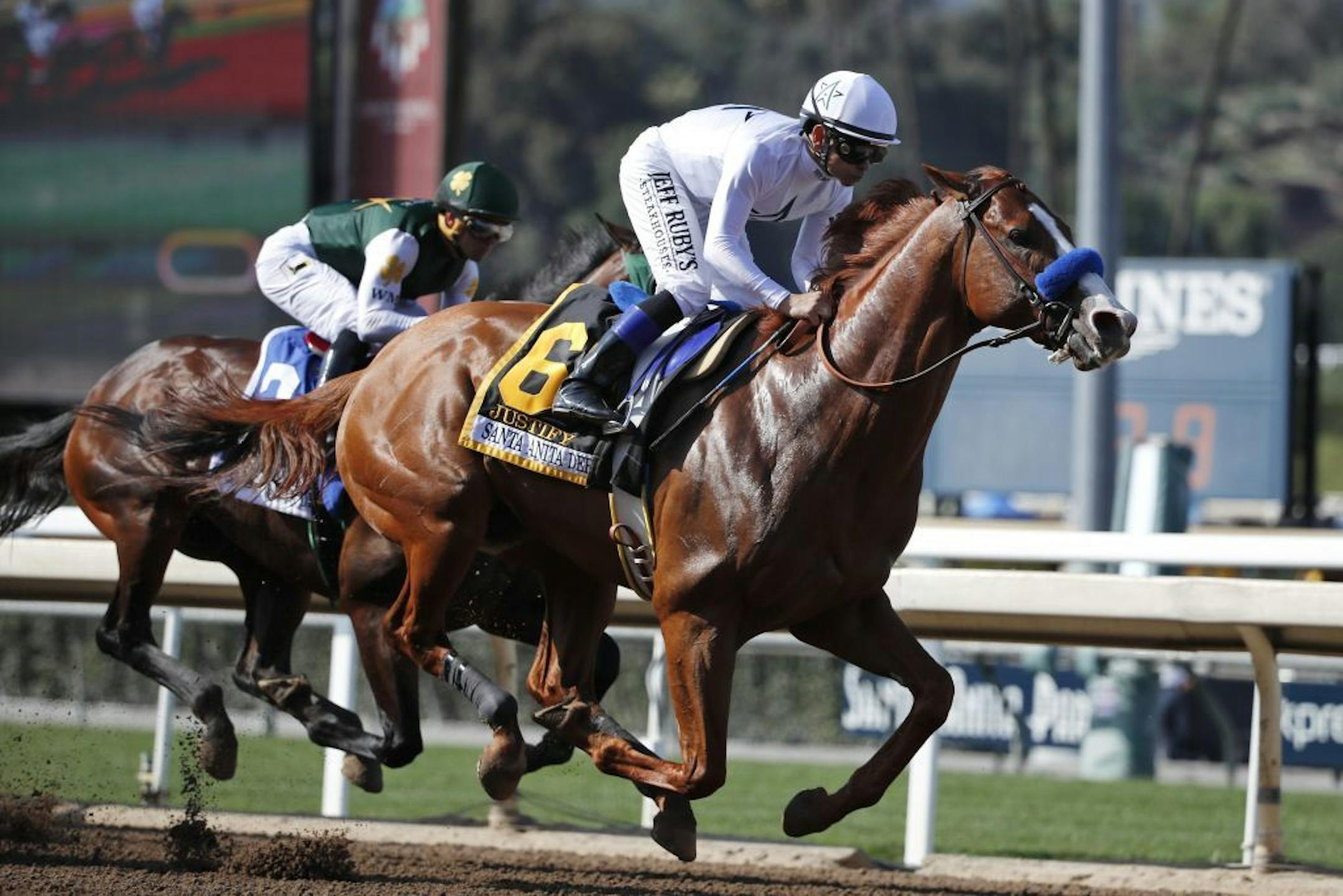
On June 9, 2018, a colt named Justify thundered home to the full-throated cheers of a capacity crowd to win the 150th running of the Belmont Stakes and claim horse racing's Triple Crown, one of the most storied achievements in sports.
It was the perfect ending to an improbable journey for a talented horse, his eclectic ownership group, and his Hall of Fame trainer, Bob Baffert.
Only a few people, however, knew the secret that Baffert carried with him into the winner's circle that day: Justify had failed a drug test weeks before the first race in the Triple Crown, the Kentucky Derby. That meant Justify should not have run in the Derby, if the sport's rules were followed.
They were not, according to documents reviewed by The New York Times. Instead of the failed drug test causing a speedy disqualification, the California Horse Racing Board took more than a month to confirm the results. Then, instead of filing a public complaint as it usually does, the board made a series of decisions behind closed doors as it moved to drop the case and lighten the penalty for any horse found to have the banned substance that Justify tested positive for in its system.
By then, Justify had become just the 13th Triple Crown winner in the last 100 years, and his owners had sold his breeding rights for $60 million.
Only a handful of racing officials and people connected to Justify knew about the failed drug test, which occurred April 7, 2018, after Justify won the Santa Anita Derby. He tested positive for the drug scopolamine, a banned substance that veterinarians say can enhance performance, especially in the amount that was found in the horse.
Justify was undefeated at the time, but he still needed to finish first or second in the Santa Anita Derby to qualify for the Kentucky Derby, on May 5. While the colt won at Santa Anita, the failed drug test would mean disqualification and forfeiture of both the prize money and the entry into the Kentucky
None of that happened, though.


