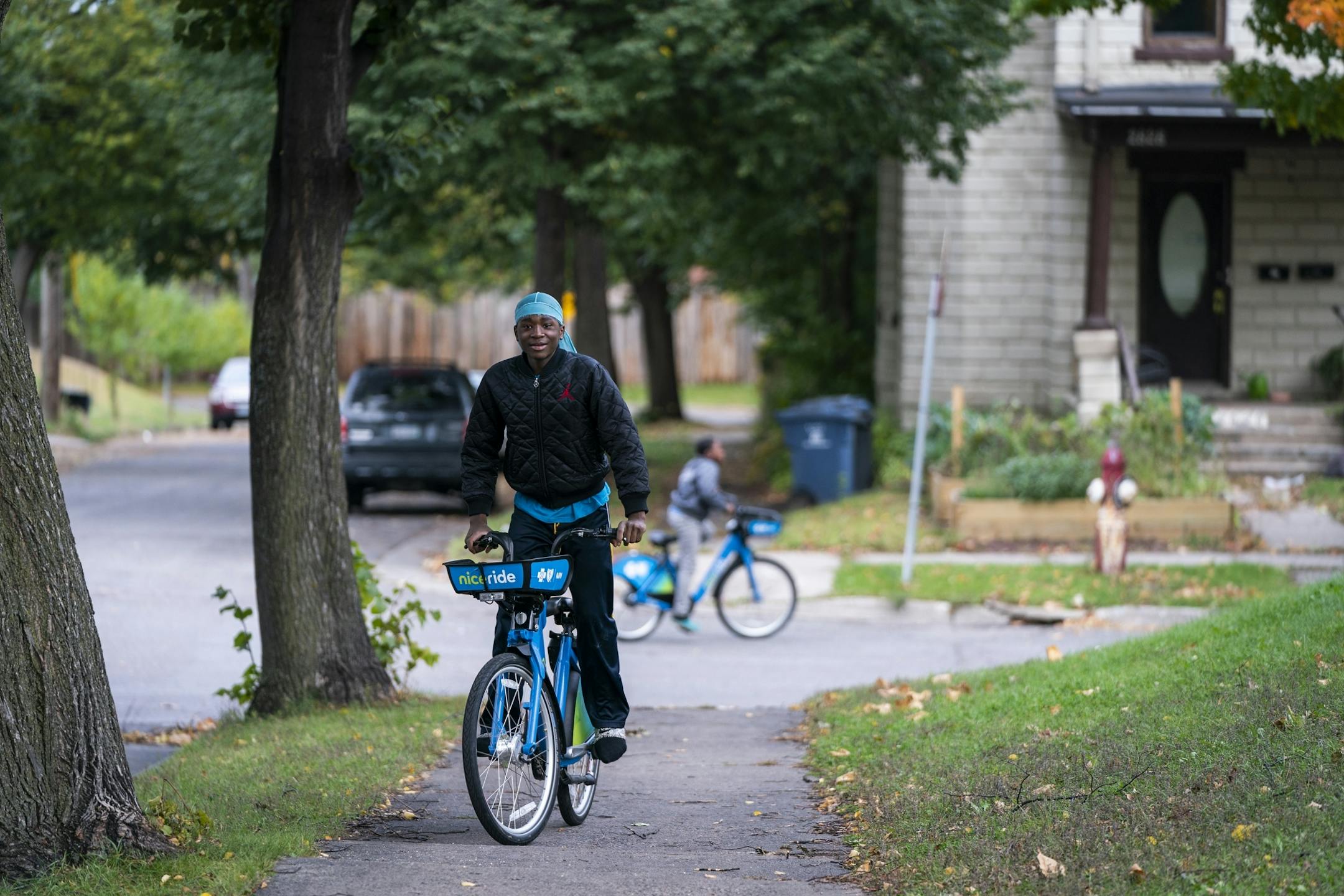
Perched on the stoop of her north Minneapolis home, Danell Christner reflected on the time a group of youths broke into her just-bought 2018 Nissan Altima, smashing windows and flattening two of its tires.
She wondered whether having more police officers patrolling her corner in the Hawthorne neighborhood could have prevented the incident. "They need to," she said. "There's too much stuff going on around here and they don't catch it."
But she also worried that an increased police presence would only lead to more harassment of black residents — who, she says, already get hassled regularly by officers while walking down the street or shooting hoops at nearby Farview Park. Even if many don't end in arrest, she says, such encounters only add to residents' wariness of the law.
Christner's experience reflects the continuing dilemma in neighborhoods like Hawthorne, where residents find themselves caught between crime and what some see as overzealous policing. And yet, their voices are often missing from the intense debate consuming Minneapolis about whether the city needs more police officers — and if so, how many?
The Hawthorne neighborhood — bounded by Broadway Avenue to the south, Lowry Avenue to the north, N. Emerson Avenue to the west and the Mississippi River to the east — is among the city's most violent, with 120 reports of gunfire there last year. And a Star Tribune analysis of available Police Department data showed that officers used force on residents at higher rates there — about 250 instances over the past 10 years — than nearly every other area outside of downtown Minneapolis.
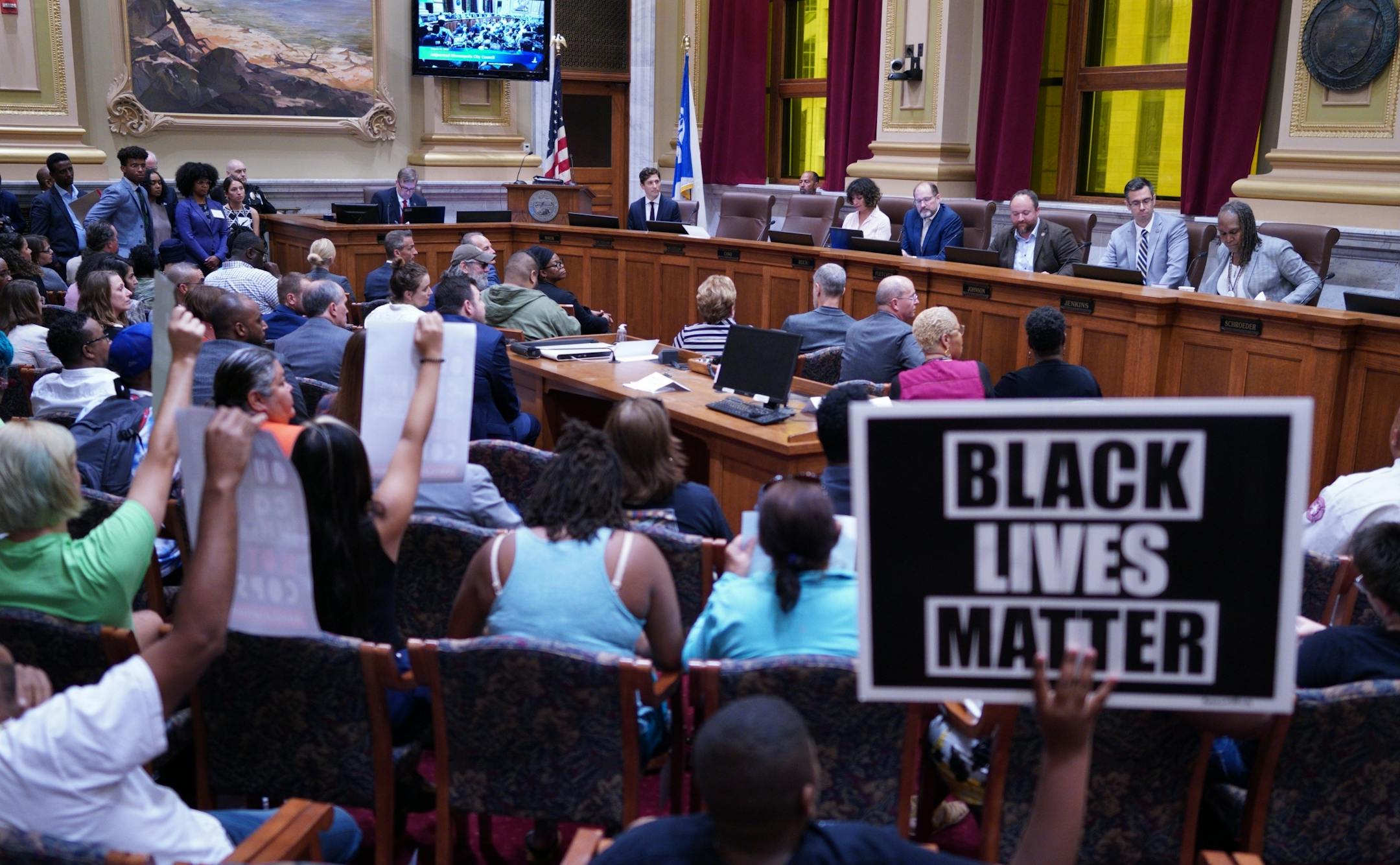
In Hawthorne, the proposal to hire more cops was met with concern and skepticism among residents, who were also wary of outsiders speaking out against police without offering serious solutions to the area's violence. And with budget talks heating up, Mayor Jacob Frey's proposal for 14 additional cops has stirred tensions on the City Council, with some members suggesting the department might do better to examine its staffing priorities before asking for more money. Others argued that the number falls far short of how many officers are needed to adequately patrol a fast-growing city like Minneapolis.
Business leaders have pleaded for more police protection downtown after a long summer of violence, culminating with a pair of viral surveillance videos of people being violently assaulted and robbed while leaving downtown bars. Meanwhile, activists continue to lobby for divesting from policing, which they argue exacerbates racial disparities.
Leila Mayfield understands both sides, but her more immediate concern was the seeming lack of attention to drug activity at a nearby gas station where she gets "bombarded about buying marijuana" whenever she stops to fill up her tank. She also recalled the frustration she felt waiting for police to show up after her apartment above New Bethel Church was burglarized.