

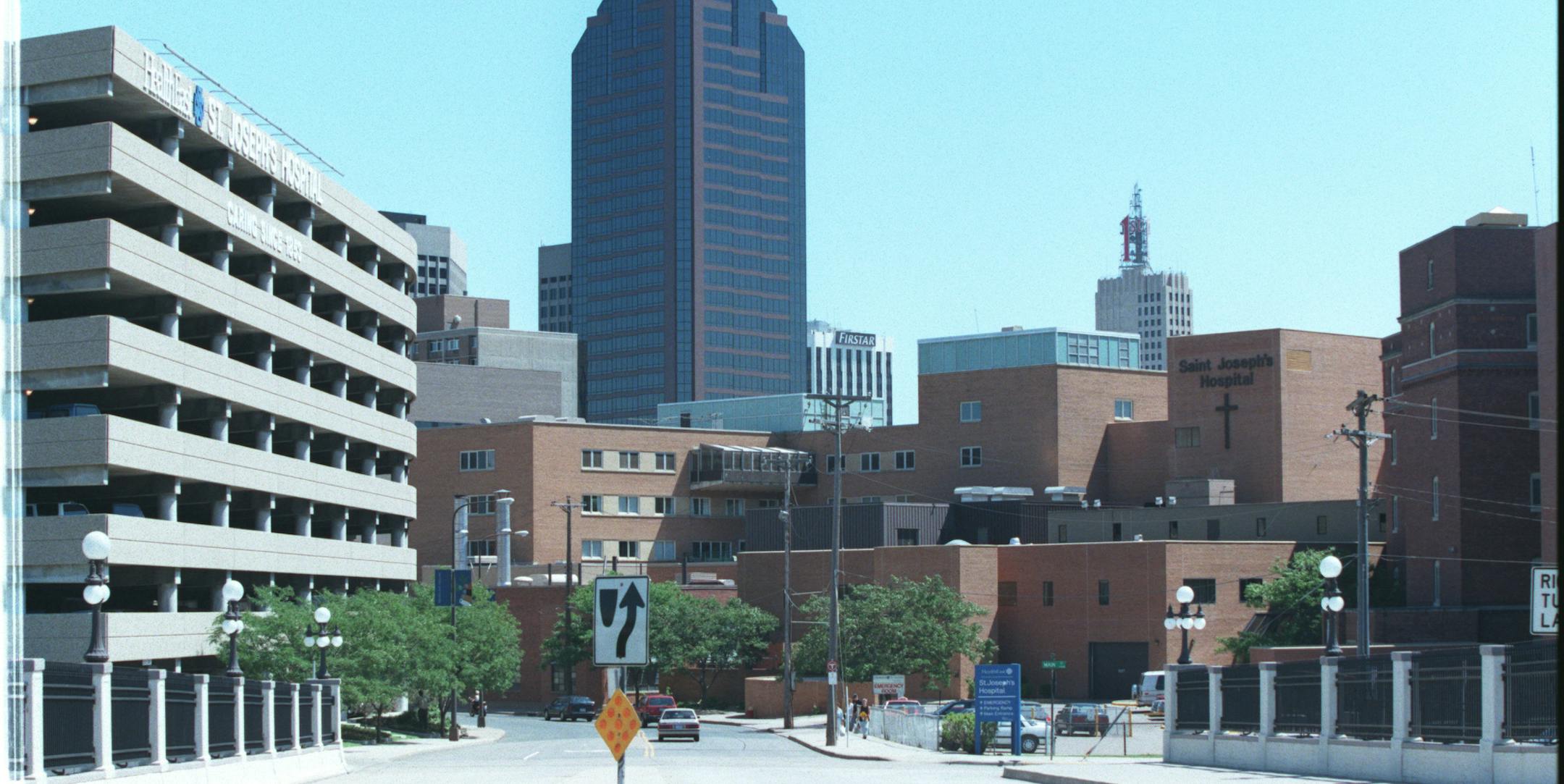
I'm a psychiatric registered nurse and doctorate of nursing practice student at the University of Minnesota, specializing in psychiatric-mental health and integrative health and healing. I am a nurse at M Health Fairview University of Minnesota Medical Center in pediatric mental health and am deeply concerned about the potential plan our company has for closing St. Joseph's Hospital and its 100 mental health beds.
I did my student clinicals this fall at St. Joe's in integrative health. I was so impressed and inspired by the culture of St. Joe's and the care the staff gives to their patients. I was inspired that just giving a hand massage or guided meditation can help a client so much, whether they are going through opiate withdrawal or getting a knee replacement. I got to explore the entire hospital and was amazed by St. Joe's.
Then, the last week of my semester, I got word that my preceptor and all of integrative health was being let go. I believe this is extremely shortsighted by Fairview, as these interventions could help prevent the use of opiate prescriptions in the hospital, as well as potentially prevent restraint and seclusions in our mental health units.
If St. Joe's closes, it will be a grave mistake. I worry that there will be a lack of coverage for the underserved in St. Paul. It would really make me question whether I would want to continue to work at a company that would leave the underserved out of their picture but at the same time open a clinic at the Mall of America. I see a large disconnect in values here.
David Wrobleski, Minneapolis
IRAN
We should question the official story
I want us all to ask ourselves some questions about the killing of Iranian Gen. Qassem Soleimani ("U.S., Iran tensions on hold — for now," Jan. 9). The administration has said it had "specific" information that he was planning an "imminent," "broad, large-scale attack," but it didn't know where and when it would happen, so:
1. If the administration doesn't know where and when, how is the attack imminent, and how does the administration have specific information?
2. Why kill the guy who knows the where and when? Why not capture (we knew where he'd be and when) so we could interrogate him to find out and stop the attack? The administration could also take him to stand trial for war crimes and/or have leverage over Iran to trade for Americans being held.
3. Did killing him stop the attacks? Was he carrying the plan in his pocket when he was blown up and no one else knew the plan?

