History books are full of marquee events: men on horseback winning battles, research labs finding cures for horrific diseases, captains of industry reshaping manufacturing.
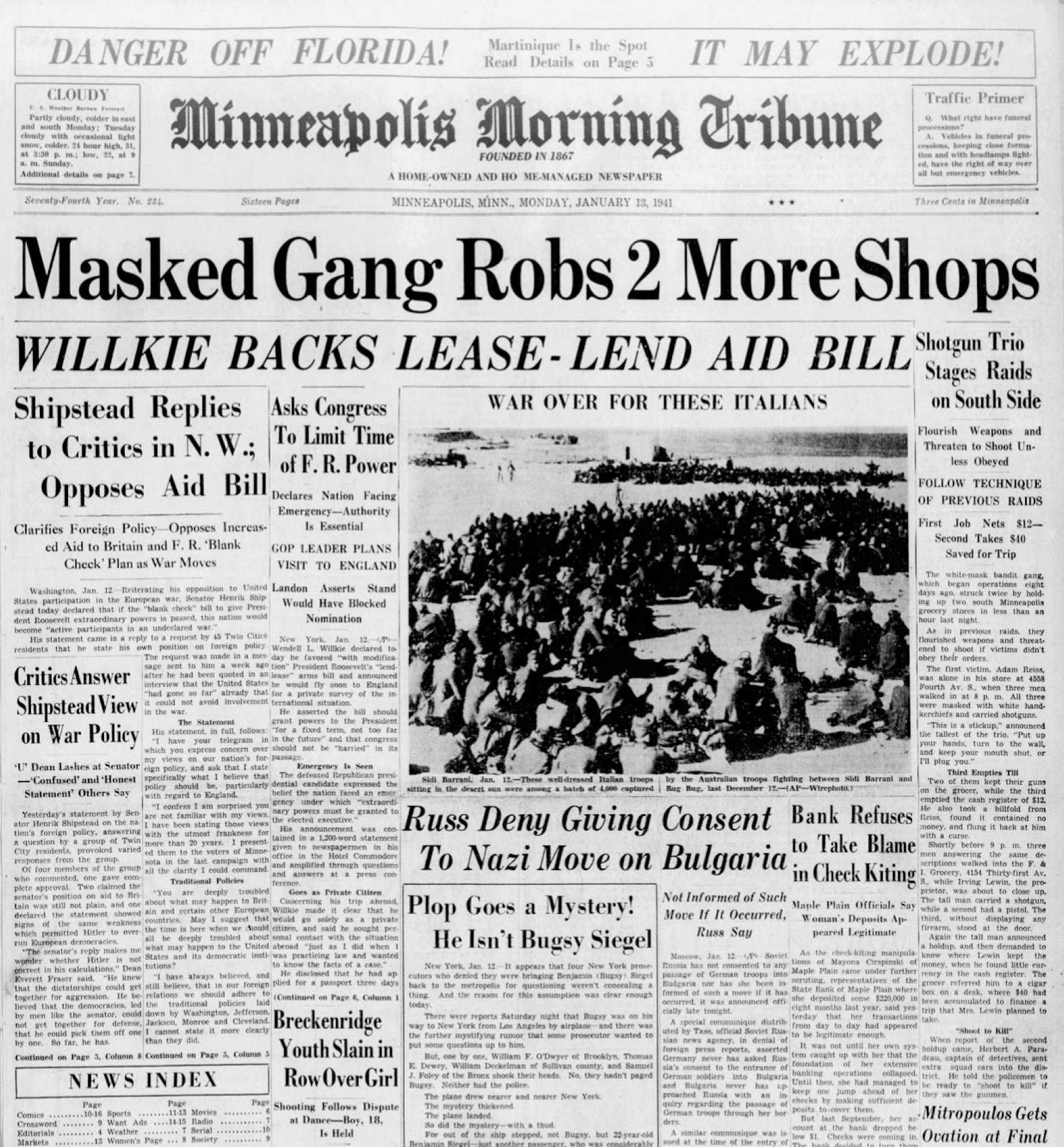
Collections of newspaper displays follow the same pattern — classic front pages plastered with giant headlines about D-Day, the moon landing or a former boa-wearing pro wrestler being elected governor of Minnesota.
But historians, biographers and other fans of bygone eras have long known that the real stories about what life used to be like were much more subtle in their telling. It wasn't Page One that detailed the opening of a library in the farthest reaches of the city (Lake Street and Hennepin Avenue) or recounted the heroic rescue of a cat stuck in a tree near St. Anthony Falls.
The wealth of detail in the old papers is extraordinary, and the quantity of stories about the way people lived gives you a sense of the time and place like nothing else. But those tales of everyday life were relegated to the inside pages, often told in short accounts buried under headlines not much larger than the type in the story itself. And searching them out required patiently paging through dusty collections of bound newspapers or spending hours squinting at images displayed on a microfilm reader.
Until now, that is.
The Star Tribune's archive of old papers — all 150 years of them — has been digitized and is now searchable from a computer.
The Star Tribune is offering a free digital copy of any page of the paper since 1867. (We're working on the next 150 years as we speak.) You can sign up for a subscription at startribune.com/vault.
You could get a copy of the paper from the day you were born, but what's the point? "Ah, I remember it like it was yesterday. I was naked, screaming, dripping with amniotic fluid, and Eisenhower was dealing with the Suez Crisis."