

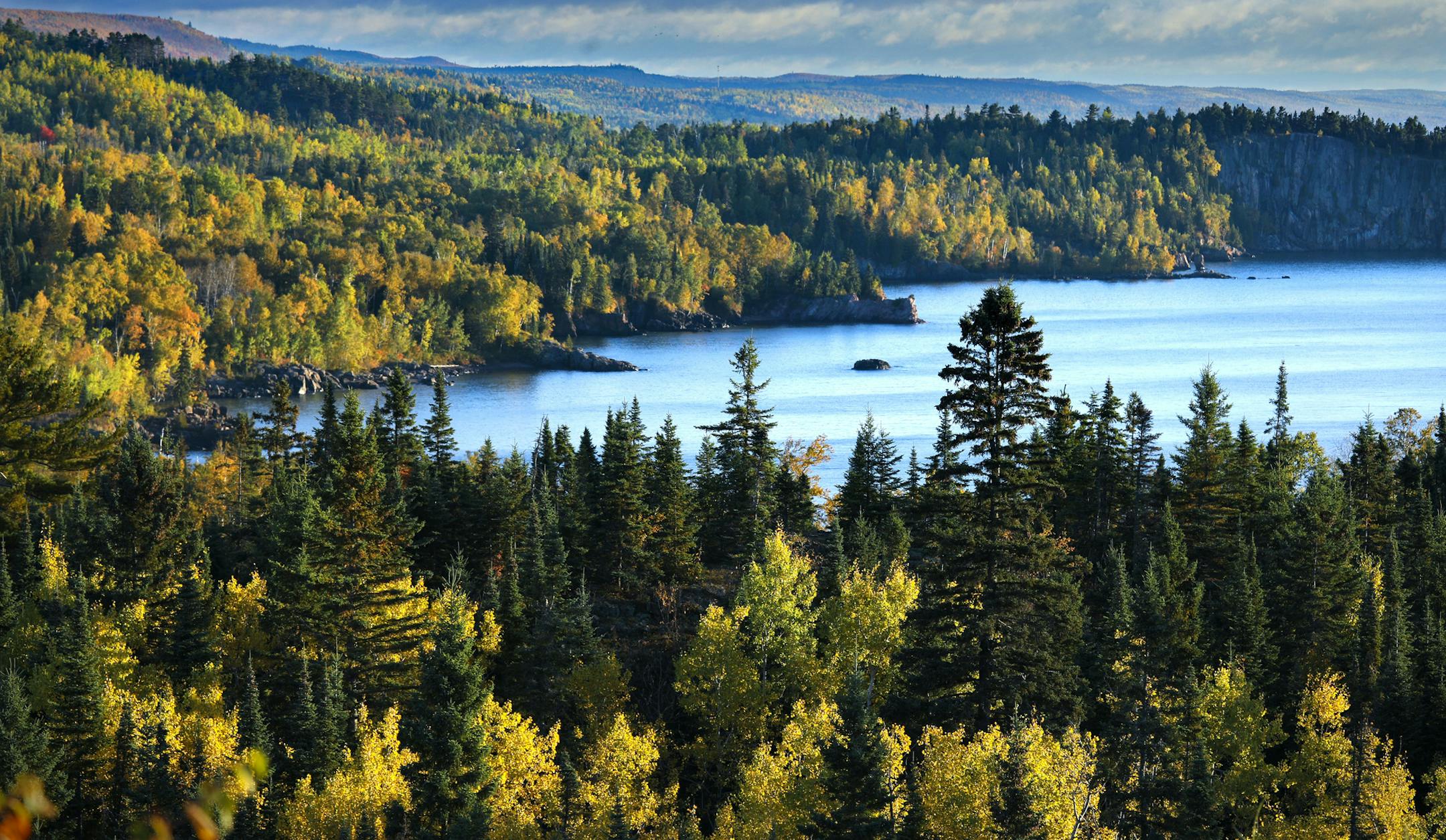
Aren't all the citizens of Minnesota proud of the motto on our license plates: land of 10,000 lakes? Why are certain agencies of Minnesota government putting these lakes and other waters in our state in possible peril? Think of the importance of what the clean waters of our state provide: drinking water from rivers and aquifers; recreation on and around rivers and lakes; homes for fish and wildlife; wetlands that absorb carbon and ease risks of flooding from nearby rivers, cities and farms; and other benefits that readers can add to this list.
Approving the locations for new oil pipelines and the replacement of current pipelines in our state does not include a guarantee that these lines will never have ruptures or oil spills during the long life planned for them. So decisions made today may not affect us but could impact generations of descendants living after us. The staggering costs for cleanup after such an event will be mostly charged to the state and its taxpayers, because gigantic worldwide corporations with their legion of lawyers will make sure of that in any contracts and agreements signed.
Therefore, it is startling to read that an environmental-impact statement for Enbridge's proposed pipeline that "failed to address the potential effects of an oil spill into the Lake Superior watershed" is considered a "small part" to be fixed ("Oil pipeline approval push back on track," Oct. 2). This is a "fairly straightforward issue," says a Commerce Department spokesperson, which sounds similar to arguments used against protecting the area around the headwaters of the Mississippi River in northern Minnesota. Another encroachment upon our pristine lakes now is the permits that may allow underground minerals to be mined in the Boundary Water Canoe Area Wilderness watershed, but that's another story.
Keeping our 10,000-plus lakes and other waters as clean and hazard-free as possible should be considered one of the most important functions of our state officials. Who can't agree with that?
Susan Downing, St. Paul
IMPEACHMENT
Stay focused on real issue: Trump
While Republicans struggle with the specter of impeachment amid an ever-growing list of improprieties from President Donald Trump and his White House enablers, commentary writer Hugh Hewitt ("As allies get serious, Democrats get frivolous," Opinion Exchange, Oct. 1) is marketing the snake oil to remove those unpleasantries from above the fold in American newspapers and on nightly cable TV and replace them with: war with Iran.
Words such as "absurd" might come to mind in describing such an irresponsible action but, remarkably, that was Hewitt's descriptor of the House impeachment inquiry, which is now supported by a solid 55% of Americans, according to a new poll. Hewitt has long sung the praises of war hawk and recently dispatched National Security Adviser John Bolton, who was one of the Iraq war's most ardent supporters. To be sure, a war with Iran, supported by neither the American public nor U.S. allies in the region, would make the Iraq war look like the proverbial walk in the park.
Since May 2018 when Trump pulled out of the Iran nuclear deal, he's been on a collision course with himself. Former President Barack Obama, French President Emmanuel Macron and German Chancellor Angela Merkel all warned abandoning the deal would likely lead to armed conflict. A military confrontation with Iran might or might not happen in the 15 months remaining in Trump's first term. But, wagging the dog, as Hewitt appears to be advocating, would be a frightful and appalling attempt to alight anew the Middle East in order to divert from Trump's present, pathetic reality.
Stephen Monson, Golden Valley
CLIMATE CHANGE
More rain, plus more deluges
A letter writer, referring to an earlier article in this paper titled "Nowhere for all the water to go" (Sept. 22), concludes that a warming climate is not to blame for recent, unprecedented flooding in our state ("Flooding is a man-made problem," Sept. 29). And he bases this contention on a National Oceanic and Atmospheric Administration graph in the article that shows that average rainfall has only increased from 22.67 inches in 1895 to 23.54 inches at present. He instead blames the flooding on human's "unnatural handing of rainwater."

