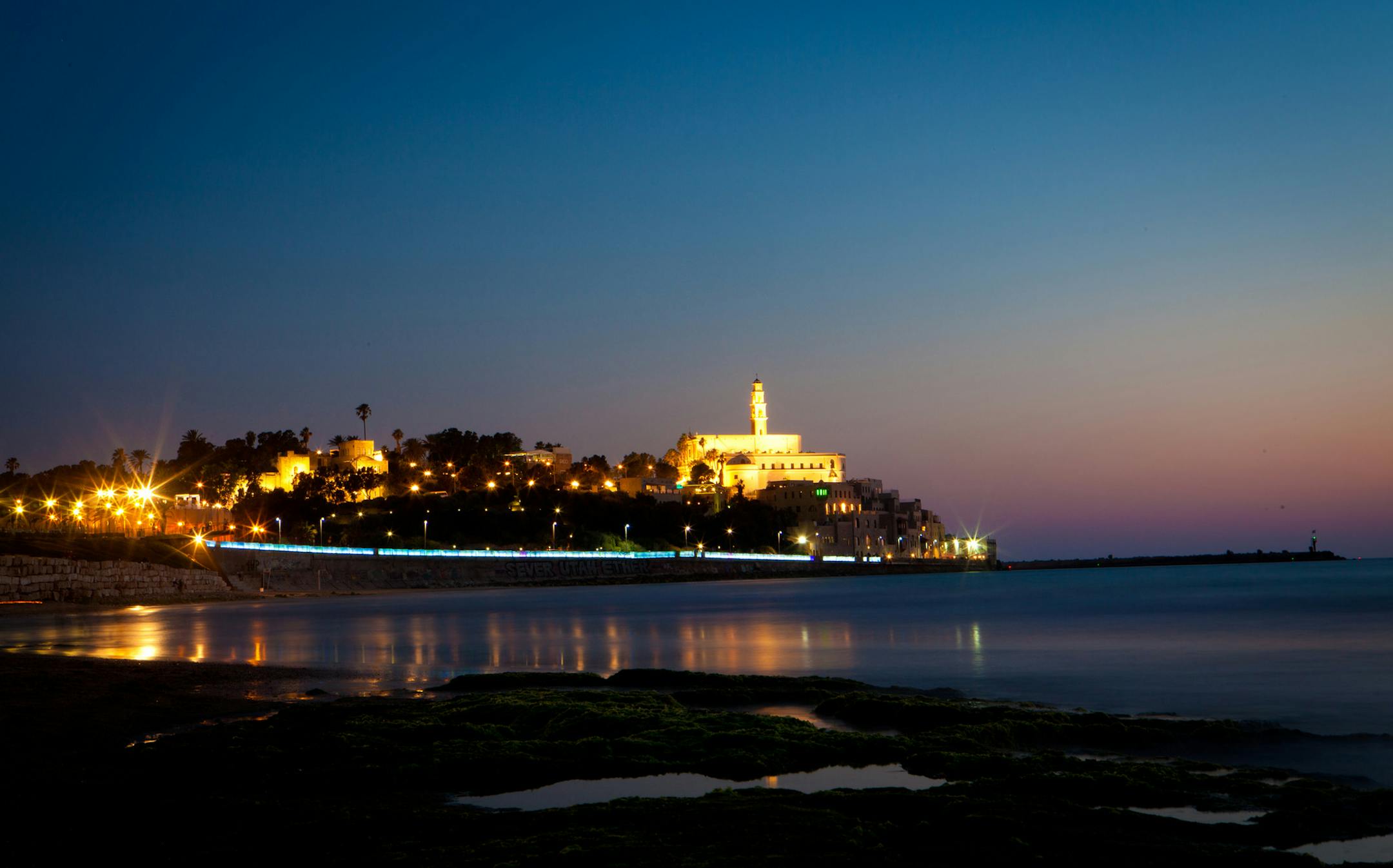
We lived in Jerusalem for a few years when I was a boy and what I remembered most, after we left, was the light. This wasn't the flat light, too vapid to even throw a shadow, of Southern California, where we moved next. Or the bluish-gray light of winter in Wisconsin, where we settled. No. The Israeli light was dense and golden, and it kept deepening during the day, until dusk, when it set all the stone buildings on fire.
Although I returned to Israel several times as an adult, my visits were always limited to Tel Aviv, so I never saw that light again until I spent a week in Jaffa this fall. Jaffa is the sister city to Tel Aviv, sitting so close it's hard to pinpoint the precise border where the cities merge. But they are very different places.
Tel Aviv is all busy momentum and thrusting energy; its high-rises frame its white Bauhaus core and its network of tech companies strain toward the future.
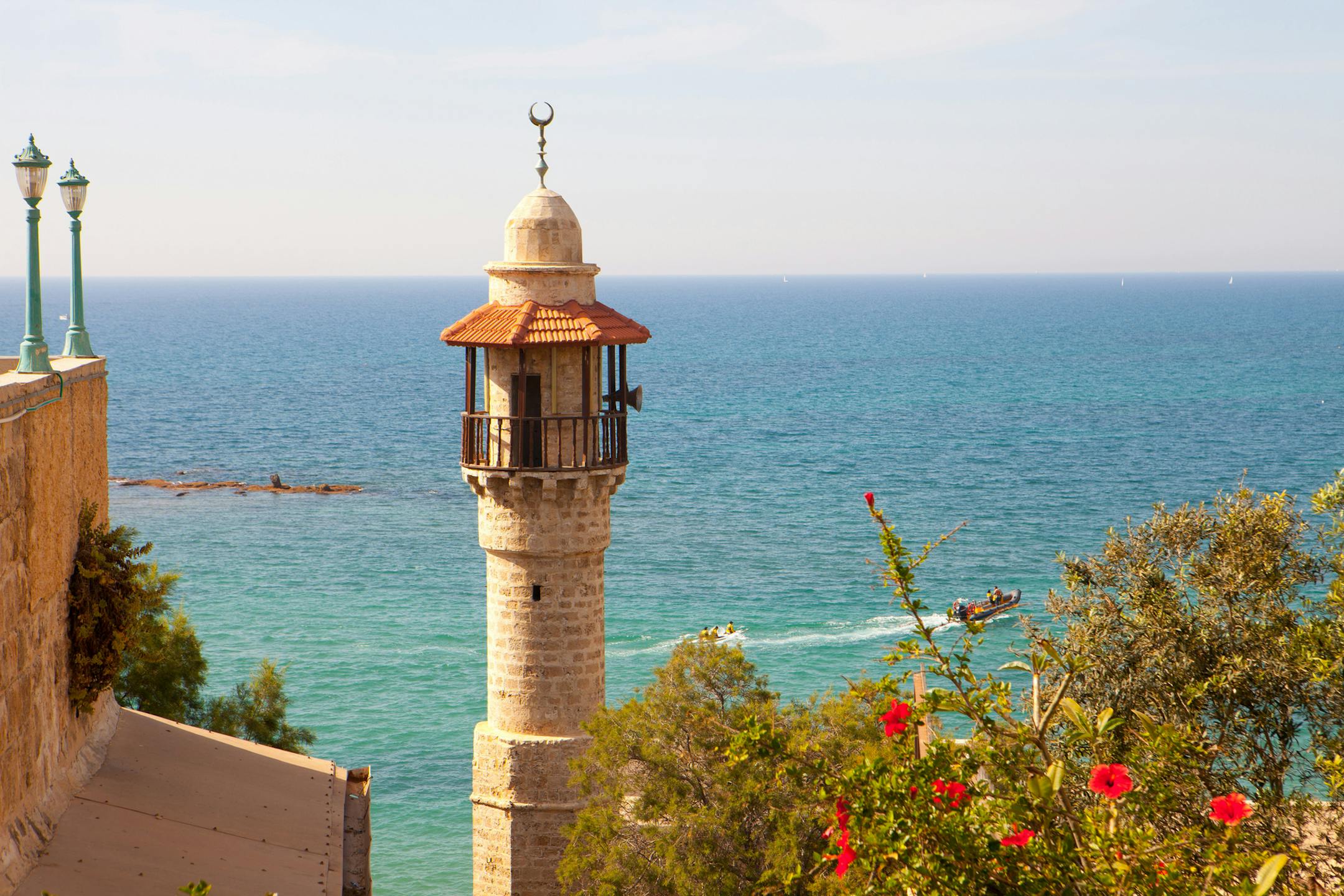
Jaffa, a biblical port, is content instead to hug its core of ancient bones, a magnificent ruin of limestone buildings that soak up the Mediterranean sun. And then there is a deeper difference. One of the most integrated cities in Israel, a mix of Jews, Arabs and Christians, Jaffa is a cultural fusion. Churches and synagogues sit alongside mosques; the Muslim call to prayers floats over the pitted rooftops; hijabs pass yarmulkes on the cobbled streets.
At the casbah
The mix of faiths is most evident in the city's sprawling flea market, a casbah where I spent my first few days in town. The market vendors, hawking a jumble, don't bother to segregate their tchotchkes. Their stalls are piled with menorahs, caftans and big baroque crosses studded with gemstones; there are antique candelabras and mezuzahs.
The scenery surrounding the market is timeless. Old men sit on the streets, mending oriental rugs, under the crumbling stone buildings that have turned furry, sprouting long vines and tufts of weeds. And hanging like fringe in the food stalls are baskets of Jaffa oranges. True to their reputation these aren't the mealy, spud-like oranges that pile up in U.S. groceries. The most orange of oranges, the Jaffa breed spits a geyser of sweet juice the minute you bite into them.
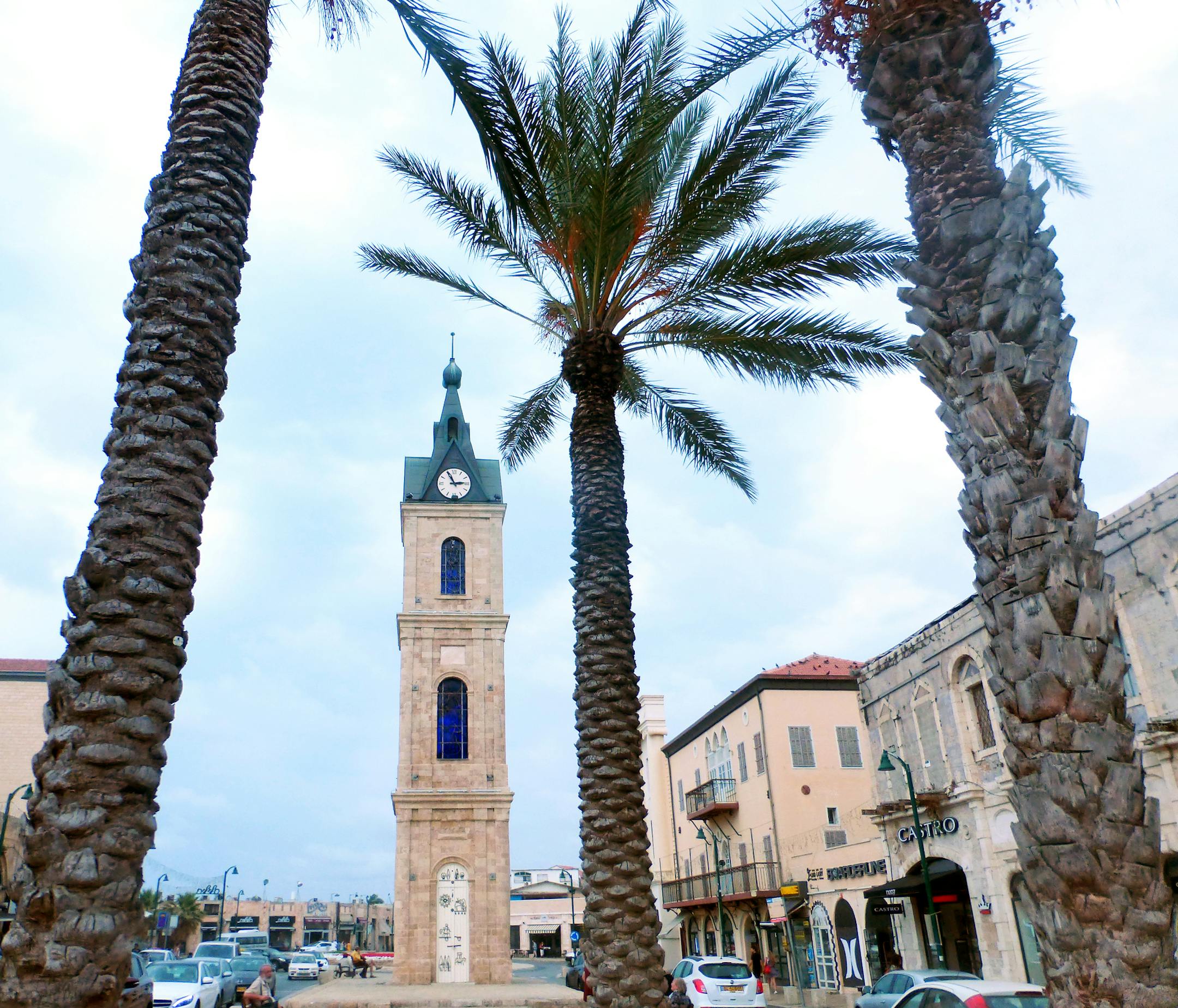
The fruit is an emblem of Jaffa's tireless hunger and a city devoted to the 24-hour nosh. Bakeries like the famous Abulafia, sitting near the city's central Clock Tower Square, sell an endless run of rugelach, bagels and babka through the day and the hummus cafes are open from early morning until the food simply runs out. Sometimes there's nothing left by early afternoon and it's easy to see why. At the famous Abu Hassan, the masabacha plate features whole cooked chickpeas riding on top of the creamy hummus, and the line of Arabs and Jews mingling out front reaches epic lengths on Fridays, before the Sabbath.
I took to grabbing lunch, though, along the oceanfront promenade that connects Jaffa's marina to Tel Aviv's ribbon of seaside high-rise hotels. Once Jaffa's ancient port, where Jonah set off for his fatal encounter with the whale, according to the Bible, the marina is now lined with a string of al fresco cafes plating the freshest daily catch. I table-hopped my first few days in town until I found my favorite, the Container, where the fisherman ceviche was a plate of fresh daily fish roused by coriander, purple onion and chili, and the beetroot carpaccio came dressed with root vegetables, walnuts, Parmesan and balsamic.