

Back in 2004, I joined the ELCA, despite having little knowledge of Lutheranism. It seemed like the best place to go after being booted from my fundamentalist church for coming out in my late 20s.
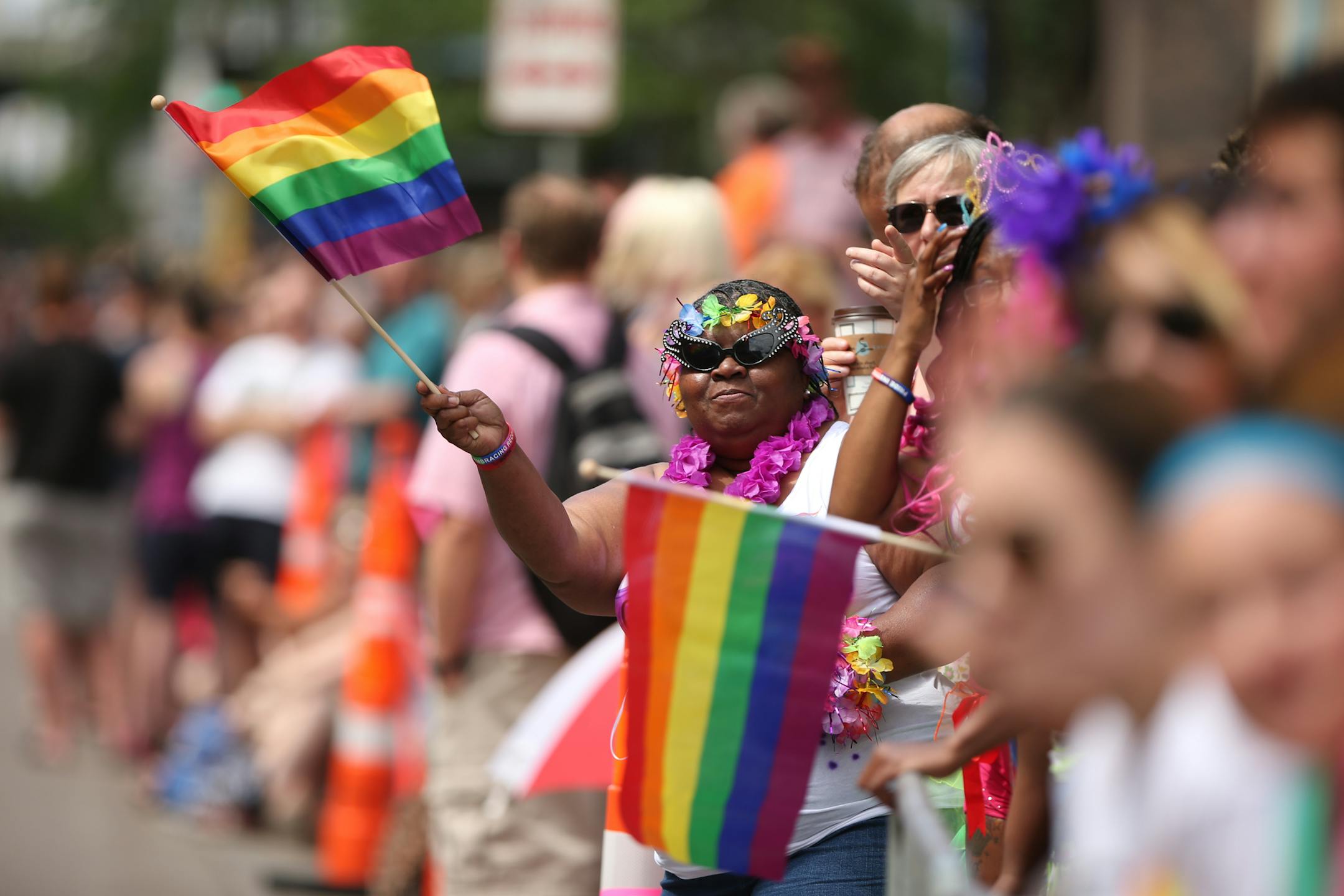
Shortly thereafter I moved to Minneapolis, the capital of Lutheranism. After a mere three weeks here, I marched in the Twin Cities Pride Parade, joining the contingent from Lutherans Concerned, an organization that advocated for LGBTQ inclusion in the ELCA. As I strode down Hennepin, I marveled at how large the crowds were, how so many had come out in support of LGBTQ rights. This was nothing like my native Indiana.
When the parade route deposited me into Loring Park, I signed my name to at least 20 e-mail lists, eager to find someplace to volunteer and learn more about my new gay home.
The next year, I scheduled time off work specifically so I could march in the Twin Cities Pride Parade. My experience was even better the second time around. By then, I had started making friends in the Cities and ran into a few as I strolled about Loring Park. I walked a bit with my acquaintances from a gay-and-bi men's social club. I ran into friends from my monthly game night. I even happened upon a few customers I knew from work. Looking around, I felt proud of what we had accomplished, putting together the third-largest Pride celebration in the country — in the fifteenth-largest metropolitan area. I bragged to my friends in other cities about how special and wonderful Twin Cities Pride was.
But from there, my relationship with Twin Cities Pride soured. Some of it was inevitable. Pride takes place in June and I can't stand hot weather. And it started to feel a lot like attending a Twins game. It was fun if I was there with friends, but I felt like a real loser attending solo.
But more importantly, as the nation fought over same-sex civil marriage, and as I learned more about LGBTQ history, my gay identity grew ever more politicized. From this new perspective, I came to see the optimistic rainbow of Pride through a jaded lens. The ever-growing corporate presence seemed at odds with the LGBTQ rights movement's radical roots.
What's more, it seemed to me that gay men dominated the space, pushing aside the interests and experiences of lesbians, bisexuals, transgender people and others with queer identities. I became disillusioned. I skipped Twin Cities Pride for many years. And when I did attend, it was reluctantly, out of a sense of duty.
I was hardly alone. Some of my friends deemed the May Day festival in Powderhorn Park more befitting the spirit of Pride, and chose that for their celebration instead. Others attended Pride out of a sense of obligation, as I did, feeling as if they had outgrown Pride, or that Pride had abandoned them. Over the years, the bright colors of my first Pride experience faded to gray.

