Nonprofit groups didn't feel a lot of love from the big tax bill passed by Congress at the end of 2017.
The measure signed into law by President Donald Trump reduced incentives for many gifts to charities and imposed new taxes for certain tax-exempt organizations — including an excise tax on the subset of nonprofits that pay executives more than $1 million per year.
A Star Tribune review of recently released IRS filings shows that four of the state's most prominent health care providers were newly subject to the excise tax in 2018, with Allina Health System, Fairview Health Services and Mayo Clinic collectively paying more than $1.6 million.
The excise tax has been criticized by nonprofit groups as unnecessary, since they already faced penalties if they didn't pay reasonable compensation to executives. What's more, some feel the new tax puts nonprofits at a competitive disadvantage with for-profit competitors that are private companies.
"A for-profit hospital that is not publicly traded would have an advantage over a tax-exempt hospital, in that it could pay its executives a million dollars or more and not be subject to any kind of a tax penalty on that," said Heidi Christianson, an attorney who represents health care nonprofits and is president of the Nilan Johnson Lewis firm in Minneapolis. "This tax is, in my view, a heavy-handed and unnecessary way to penalize the nonprofit sector."
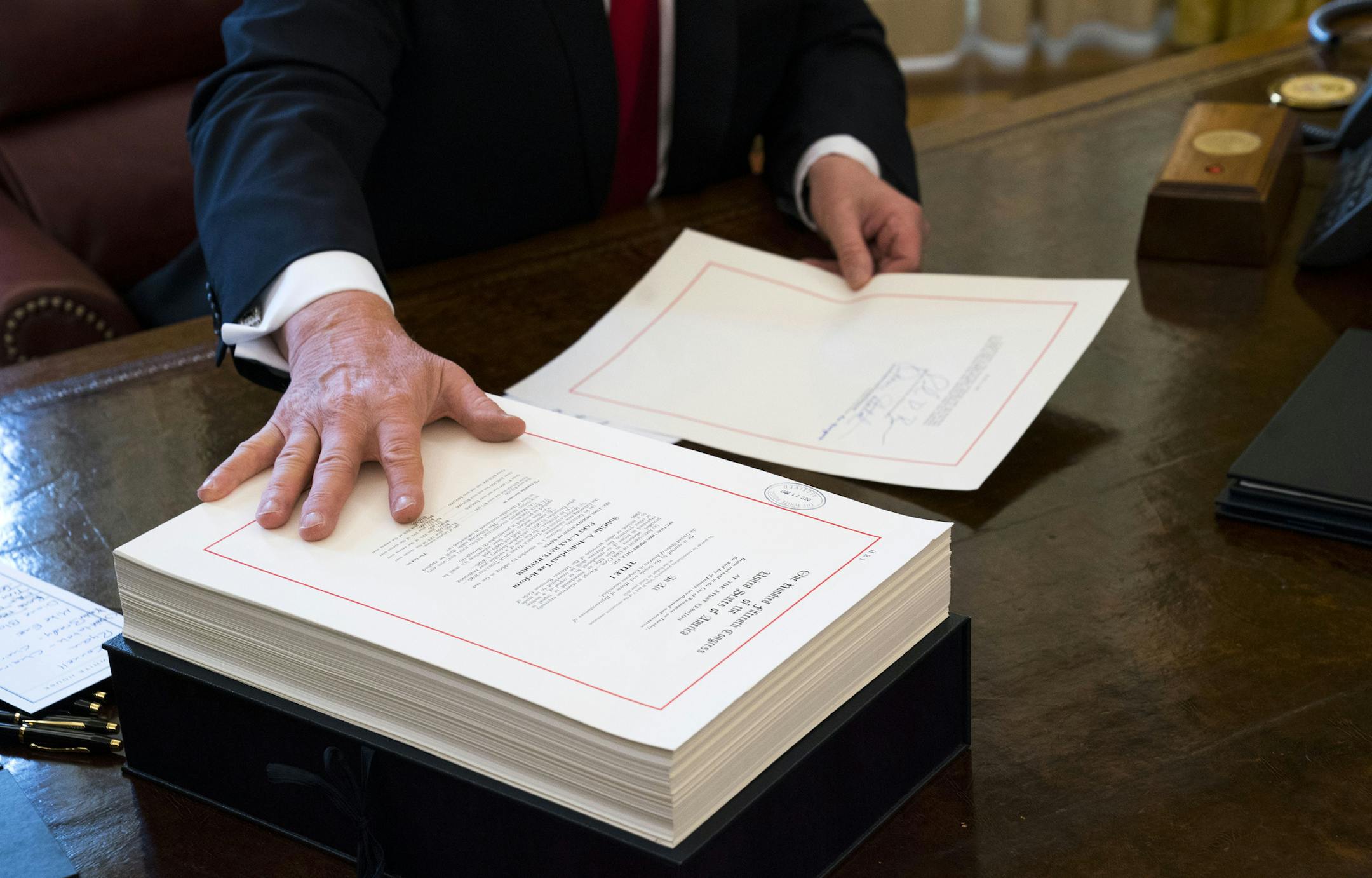
The Tax Cut and Jobs Act was a $1.5 trillion tax overhaul that featured tax cuts for individuals, dropped the corporate rate to 21% and halted enforcement of a requirement for people to buy health insurance. Down in the details of the law were changes for nonprofit groups including the new excise tax on executive compensation.
A report on the legislation from the House Ways and Means Committee said that taxable employers generally may deduct reasonable compensation expenses, but the deduction for a publicly held corporation is capped at $1 million of compensation for an employee per year. The committee believed the new excise tax would align the tax treatment of excessive executive compensation between for-profit and tax-exempt employers.
"The committee believes that tax-exempt organizations enjoy a tax subsidy from the federal government because contributions to such organizations are generally deductible and such organizations are generally not subject to tax," the committee report said. "As a result, such organizations are subject to the requirement that they use their resources for specific purposes, and the committee believes that excessive compensation ... paid to senior executives of such organizations diverts resources from those particular purposes."