

Blood glucose meters and test strips made by the Johnson & Johnson subsidiary LifeScan accounted for the largest number of adverse-event reports that were filed without public disclosure in a U.S. Food and Drug Administration program that has since been closed down.
An initial review of data released Friday by the FDA shows LifeScan filed 2.3 million secret adverse event reports regarding its SureStep Flexx glucose meter and related diabetes products intended to be used in hospitals between 2006 and 2018.
That was more than 20 percent of the entire dataset released Friday. Spread over 21 different spreadsheets, the previously undisclosed FDA data trove included nearly 6 million reports covering more than 100 different products made by dozens of different companies.
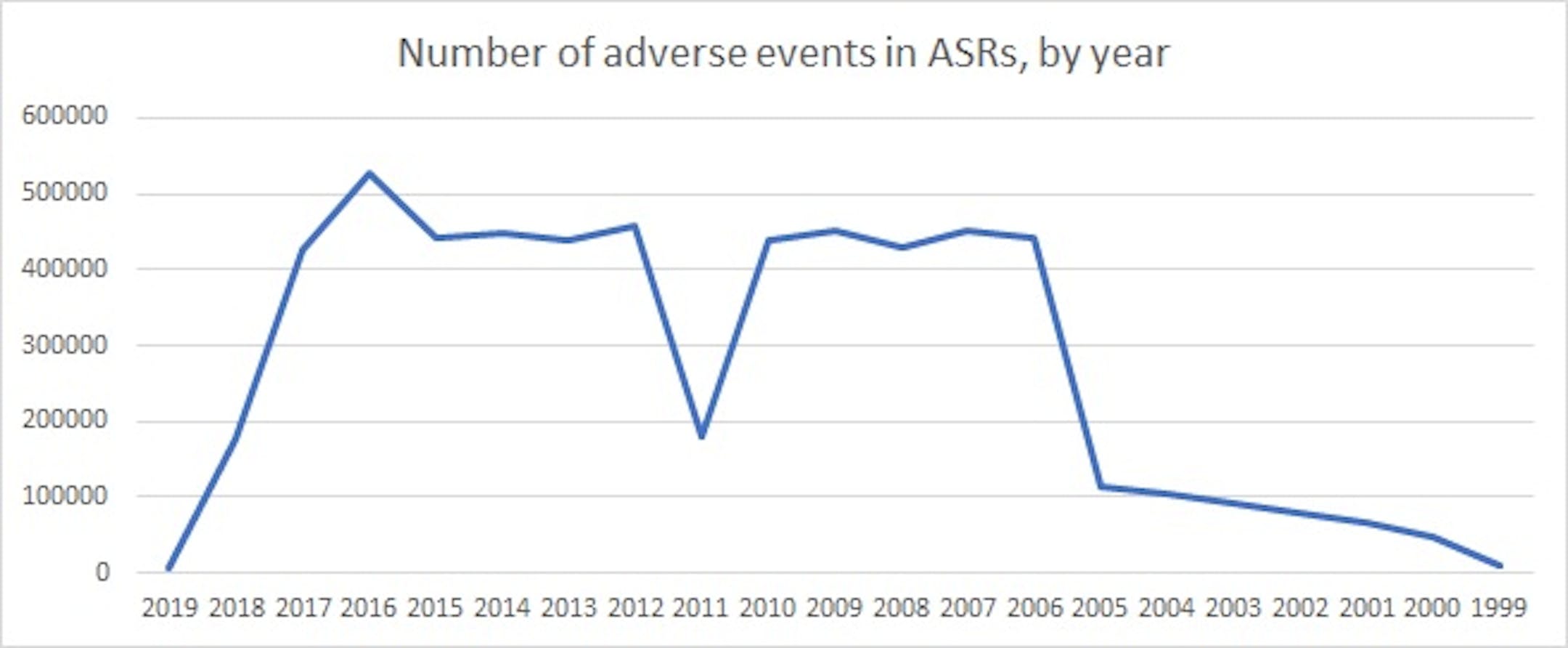
The second-highest total was for dental implants and supplies made by Nobel Biocare, a subsidiary of Washington-based conglomerate Danaher Corp., which logged more than 700,000 adverse event reports between 1999 and 2018.
Analysis of the data is ongoing. Federal law requires the makers of medical devices to file reports with the FDA in situations where the device caused or may have caused health problems in a patient, or when a device malfunctions in a way likely to happen again. The filing of a report is not a definitive conclusion that the device caused the underlying problem.
However the FDA quietly gave out more than 100 exemptions since 1999, covering between 7 events and 2.3 million events each, in situations where the agency said the problems were already well-known. The exemptions allowed manufacturers to file spreadsheets of events through a program known as Alternative Summary Reporting (ASR).
For example, the FDA in 2014 allowed Medtronic to file summaries of more than 1,000 reports of patient harm following the use of its controversial Infuse bone-growth product. Although the filings were more than five years late, and included four patient deaths, the FDA decided the potential risks described the reports were already known to the medical community by the time they were submitted. The deaths were viewed as unrelated to the procedures.
The FDA also allowed the makers of surgical staplers to file more than 56,000 adverse events between 2011 and 2018, though the agency is now considering moving the devices to a higher risk category based partly on a review of the entire dataset.


