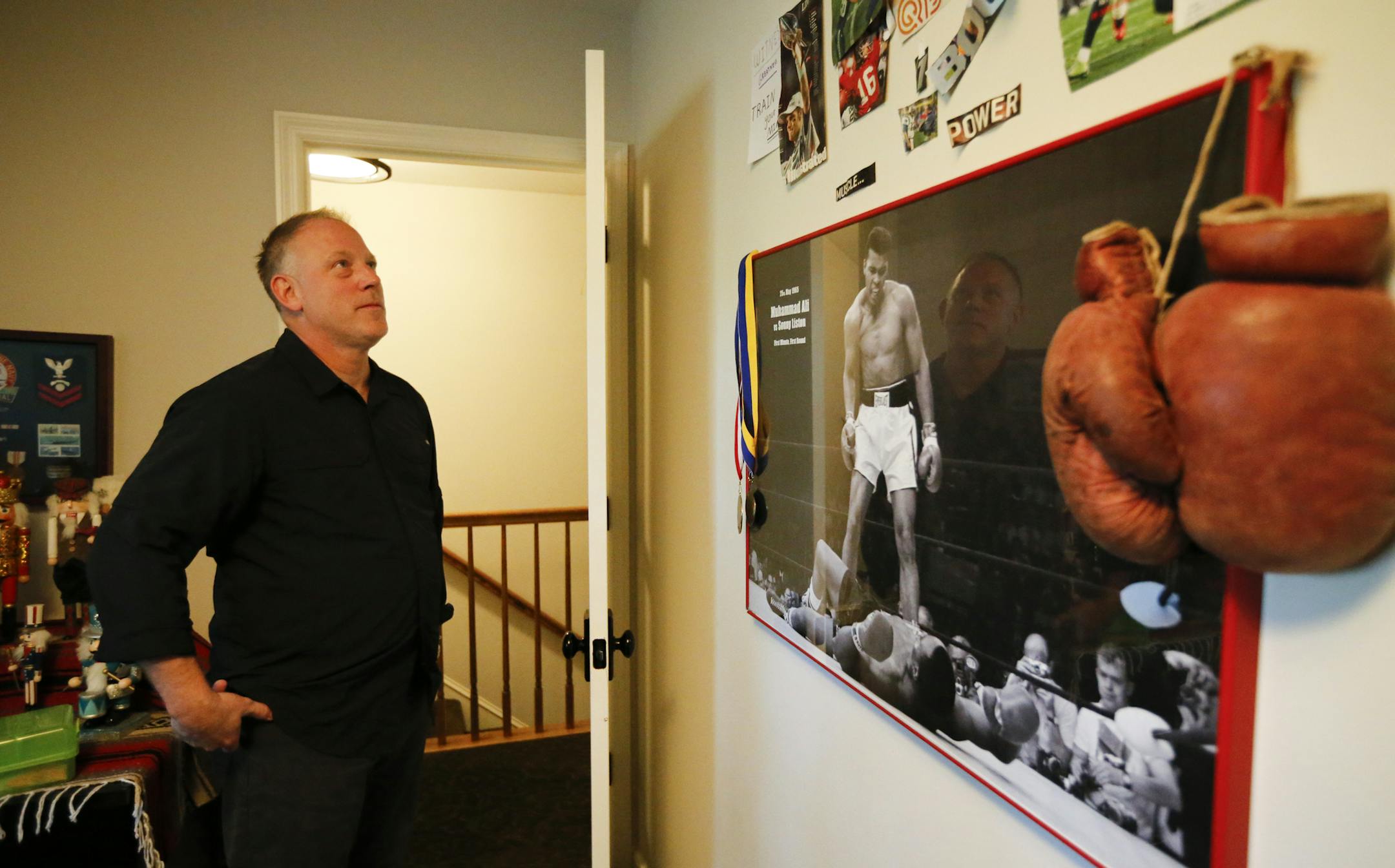
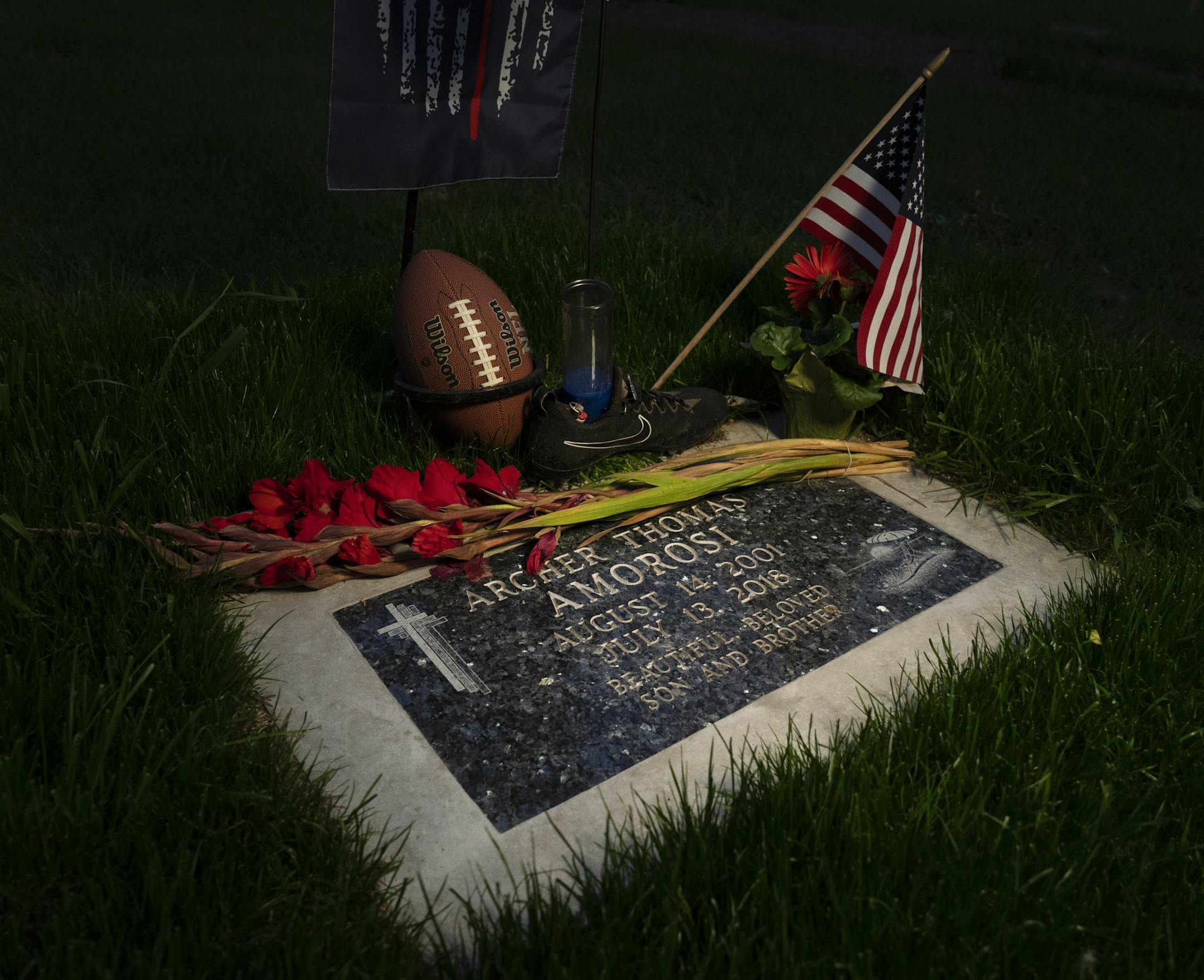
An alarm sounds at 10:35 a.m., snapping Don Amorosi's mind back to what he lost.
The weekly cellphone ping marks his son's official time of death, the moment deputies killed 16-year-old Archer Amorosi.
It all happened so quickly. The suicidal teen burst through the front door of his Chanhassen home last July brandishing a hatchet and a handgun-style BB gun, charging toward officers. Two officers opened fire as his horrified parents stood nearby.
Nearly a year has passed since the shooting, but Don Amorosi can't stop fixating on the details. On how he thinks it could have ended differently.
Now Amorosi is fighting for meaningful reforms in how police respond to mental health calls. The mission has brought him before elected bodies — from the Chanhassen City Council to the Legislature — to plead for additional training and resources to help teens in crisis.
He relentlessly pressures local politicians and school administrators, who sometimes try to placate him with what he calls "empty commitments" to explore the issue. But he says he won't stop trying to change the stigma around a disease that doesn't discriminate.
Since Archer, eight Minnesotans have died at the hands of police while in a mental health crisis.
"In each of those situations, the families would have been better off if the officers hadn't shown up at all," Amorosi said from his Wayzata home. "As parents, we cannot second-guess whether to call 911."