

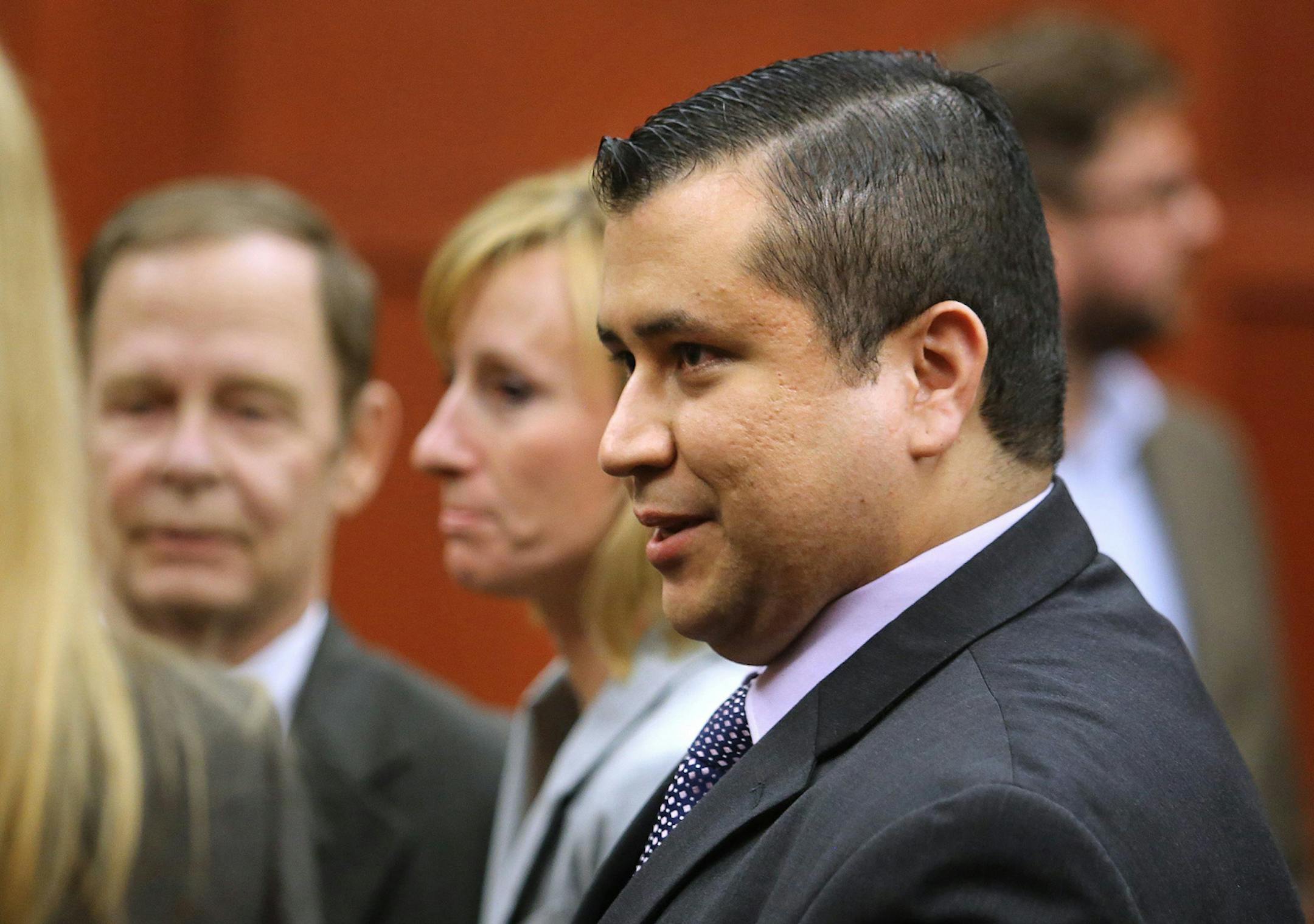
It's too much to hope, of course, that Saturday night's not-guilty verdict in the Florida murder trial of neighborhood watchman George Zimmerman will put to rest the broad social resentments and suspicions that turned the case into a media sensation and a culture-war battleground.
And no more consensus would have followed had Zimmerman been convicted for fatally shooting 17-year-old Trayvon Martin in February 2012 after Zimmerman's tailing of the unarmed youth led to a violent confrontation.
But whatever one's view of this tragic story, it is worth trying to recognize a measure of justice achieved through the painful legal process that has followed.
Those who sympathize with Zimmerman are doubtless relieved by his acquittal. But they may also interpret it as confirmation of their view that he should never have been charged — that his prosecution was a persecution fueled by racial and anti-gun politics.
It may have been Zimmerman's misfortune that for many he came to symbolize vexing social issues reaching far beyond the specific facts of his fateful encounter with Martin — racial profiling, the persistent epidemic of gun violence, and the many forms of injustice and disadvantage that burden young black males in this country.
Those concerns, however, are real and legitimate. It was almost inevitable that special scrutiny would attach to a shocking tragedy seeming to involve them all.
Back when it remained unclear whether Zimmerman would be charged, many Americans simply found it implausible to imagine that, had the roles been reversed (had an unarmed white teenager walking home from a convenience store been shot to death by a black man), the shooter would have gone free without the facts even being presented to a jury.
But now a jury has considered those facts, vigorously presented and debated in a well-conducted trial. That jury has unanimously found Zimmerman not guilty, and it is worth reviewing what that judgment does and does not mean.


