A year ago, the NBA wiped away its opening two months in the name of fixing a broken system, then saved a shortened season by compromising on owners' demands for a hard salary cap and franchise-player tag.
Team owners in cities beyond New York, Chicago and Los Angeles had sought both in an attempt to level the field in a league where superstars flock to its biggest -- or at least warmer -- markets.
Instead, they took the money -- a 50-50 split of the pie with the players and significantly increased revenue-sharing among teams -- over a better chance at parity.
So far this season, Oklahoma City traded away James Harden and Memphis dealt away Rudy Gay in moves made mostly, if not entirely, because of money.
Each trade arrived before an increasingly punitive luxury tax kicks in next season, Year 3 of the new labor deal.
Both trades are pertinent for a Timberwolves team that has signed Kevin Love to a maximum-sized salary and still must find room to re-sign Nikola Pekovic and Ricky Rubio when their original rookie contracts expire.
The Thunder made room for big stars Kevin Durant and Russell Westbrook but elected not to keep Harden. The Grizzlies signed Gay to a max deal in 2011 but traded him for three players so they could keep well-paid Zach Randolph, Marc Gasol and Mike Conley rather than pay a stiff luxury tax.
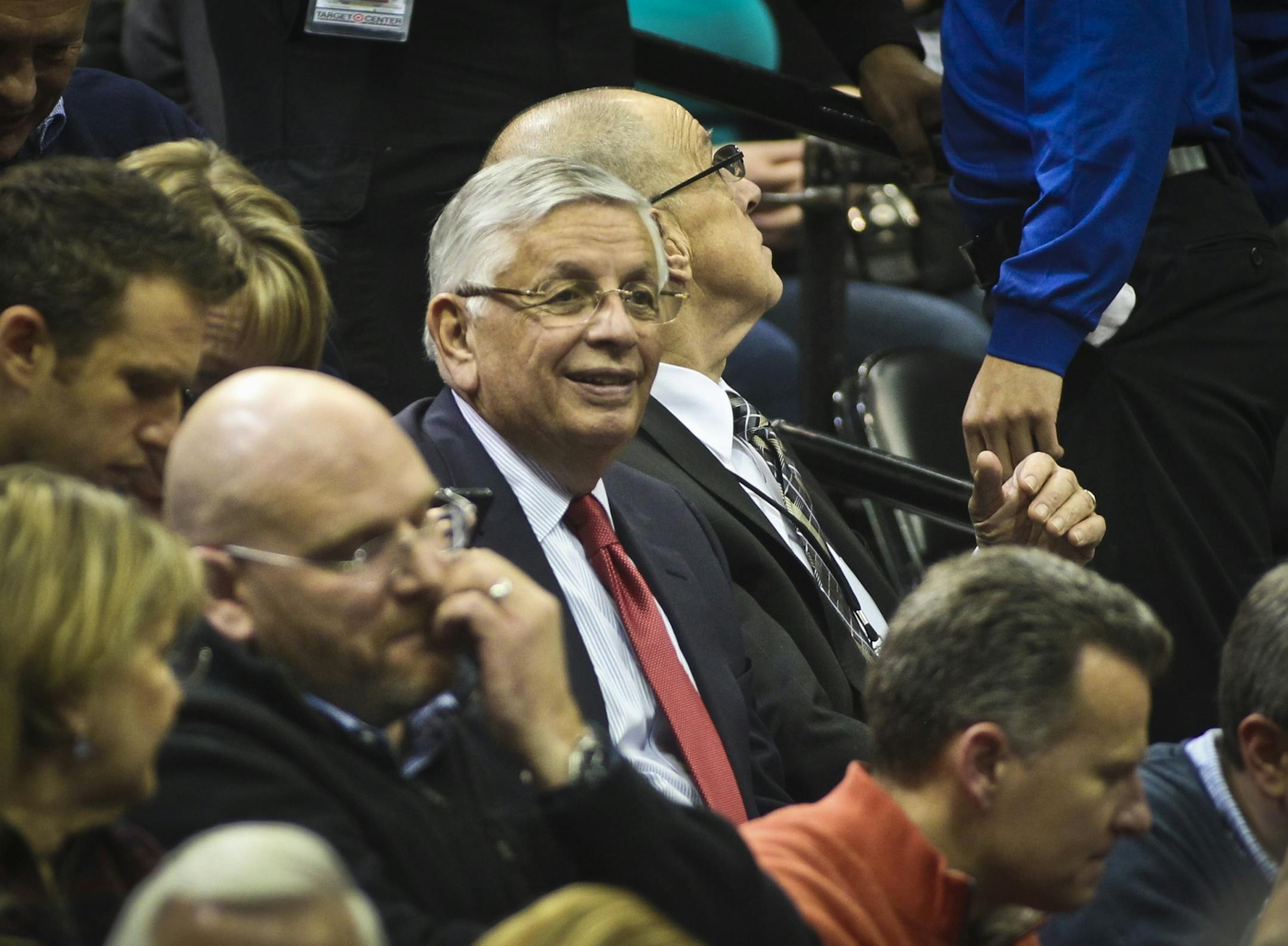
NBA Commissioner David Stern, in town last week, promises the new, improved revenue sharing and tough tax will allow small-market teams to compete equally.