

St. Louis Park, where new apartment and condo buildings sprout like weeds, may become home to a far more unusual development: a community powered by organic waste.
Developer Chris Velasco of Minneapolis-based PLACE wants to build a community of apartments, studios and work spaces at the former McGarvey Coffee site on Hwy. 7, with a sustainable feature that in Minnesota is more commonly seen on dairy farms: an anaerobic digester.
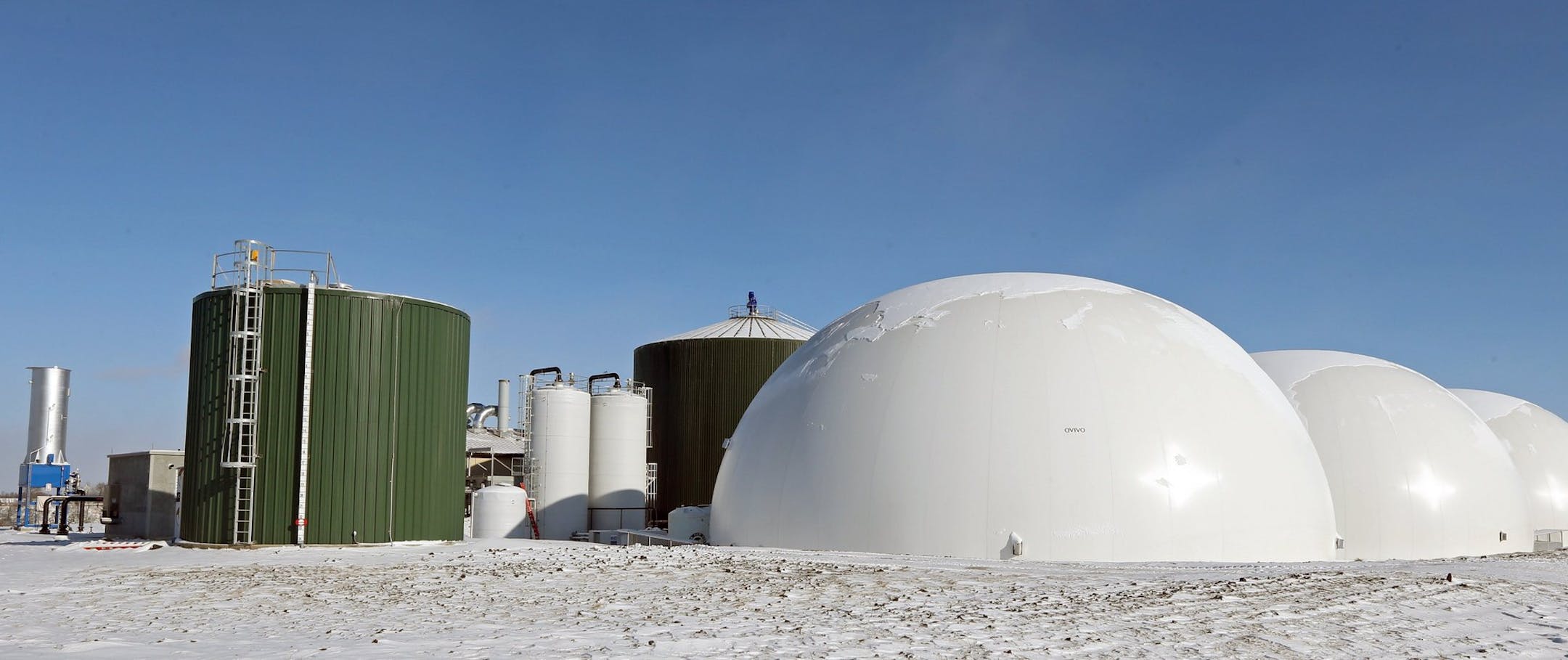
Crudely put, the digester would turn what is now garbage into biogas that powers an engine to produce electricity that would heat and cool the development. Liquid fertilizer from the digester would be used to grow food in greenhouses on the property.
"We live in a society where we don't think of where our food and energy comes from and where our waste goes," said Velasco, a co-founder of PLACE. "There is real value in having people understand how these things work together. It ends up making living more affordable and reduces their footprint at the same time."
St. Louis Park is reworking its ordinances to permit anaerobic digesters.
"We like the sustainable idea; it's innovative," said Meg McMonigal, city planning and zoning supervisor. "We're working on the ordinance, and then they would come back with a plan."
Anaerobic digesters are used on dairy farms to turn manure and plant waste into energy. In South St. Paul, a $30 million digester is planned this year at a business called Sanimax, where it would produce electricity. In Le Sueur, anaerobic digesters are using manure and corn silage to produce methane that powers engines that produce electricity. About 2,000 such sites around the United States produce biogas.
In Europe, anaerobic digesters have been built near hotels, and in Denmark one is connected to a Burger King, Velasco said. But residential use has been rare. Tim Farnan, an organics recycling specialist with the Minnesota Pollution Control Agency, said he doesn't know of any digesters that are tied to residential developments in Minnesota.


