

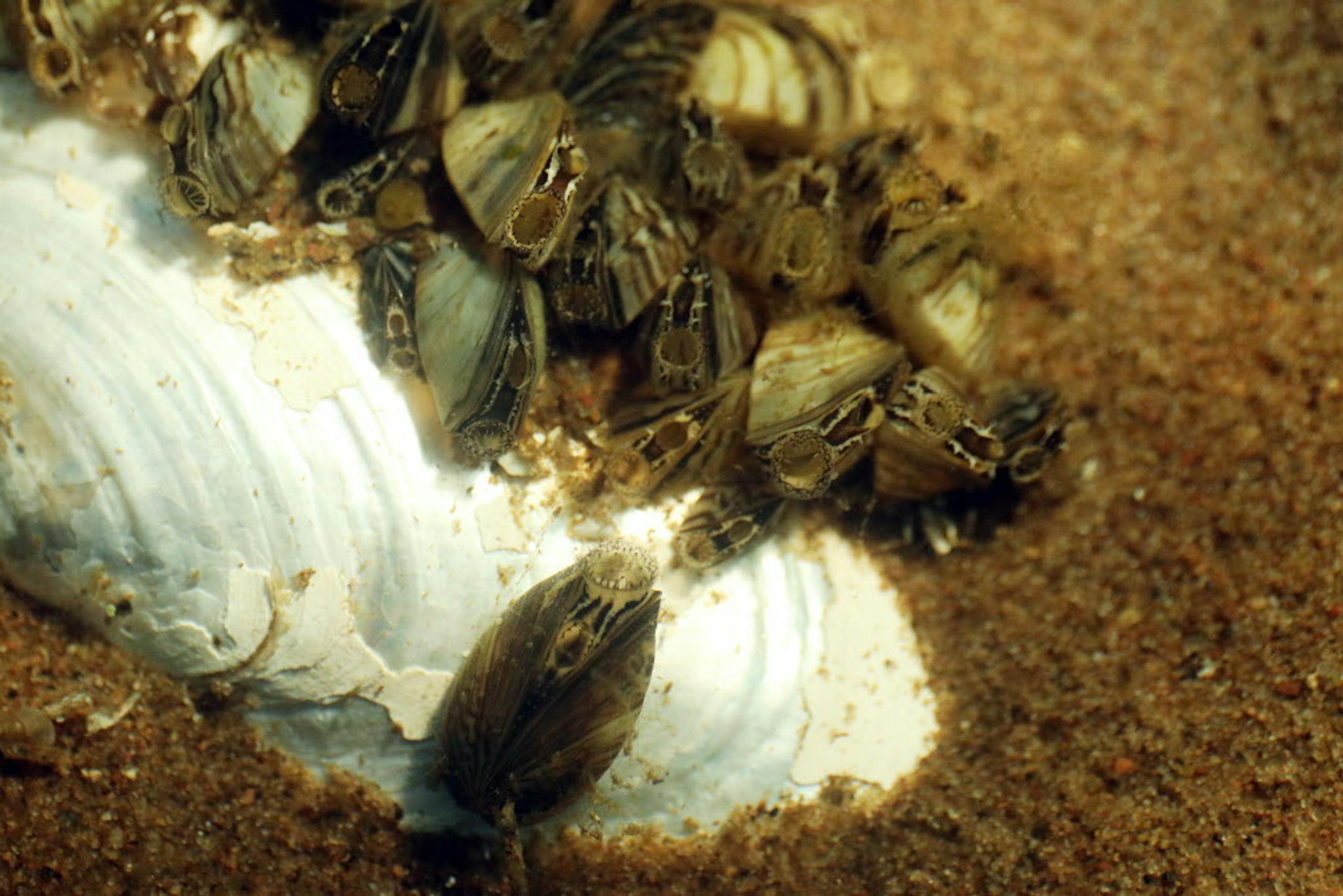
Conservation officials suspect there is a "lakewide presence" of troubling zebra mussels in Medicine Lake in Plymouth, now that their presence has been confirmed on three docks, the state Department of Natural Resources announced Thursday.
One adult zebra mussel was spotted by a lake service provider during a dock removal, the DNR said.
The agency's concerns grew larger when "invasive species staff confirmed two more adult zebra mussels attached to docks at separate locations, indicating a lakewide presence."
The DNR says that autumn is a crucial period for lake users to check for zebra mussels, when docks and boat lifts are being removed at season's end.
"After at least six years of reports of zebra mussels on Medicine Lake that turned out to be negative, it's disappointing to make this confirmation," said DNR invasive species specialist Keegan Lund. "Most people have been highly vigilant ... to keep zebra mussels and other aquatic invasive species out of this and other lakes."
The 886-acre Medicine Lake, larger than Minneapolis' Lake Harriet and Lake Calhoun combined, sits just west of Hwy. 169 and juts into French Regional Park from the south. Anglers can find largemouth bass, northern pike and walleye among many species of fish to pursue.
Zebra mussels can compete with native species for food and habitat, cut the feet of swimmers, reduce the performance of boat motors and cause expensive damage to water intake pipes. Once introduced in a lake or stream, the mussel populations explode and cannot be stopped because they have no natural predators.
These latest discoveries add to the drumbeat of zebra mussels being detected for years in bodies of water all across the Twin Cities and around the state. Earlier this year, a zebra mussel was found in Lake Harriet and five were found in Lake Marion in Lakeville, adding the two lakes to the state's list of infested waters.


