

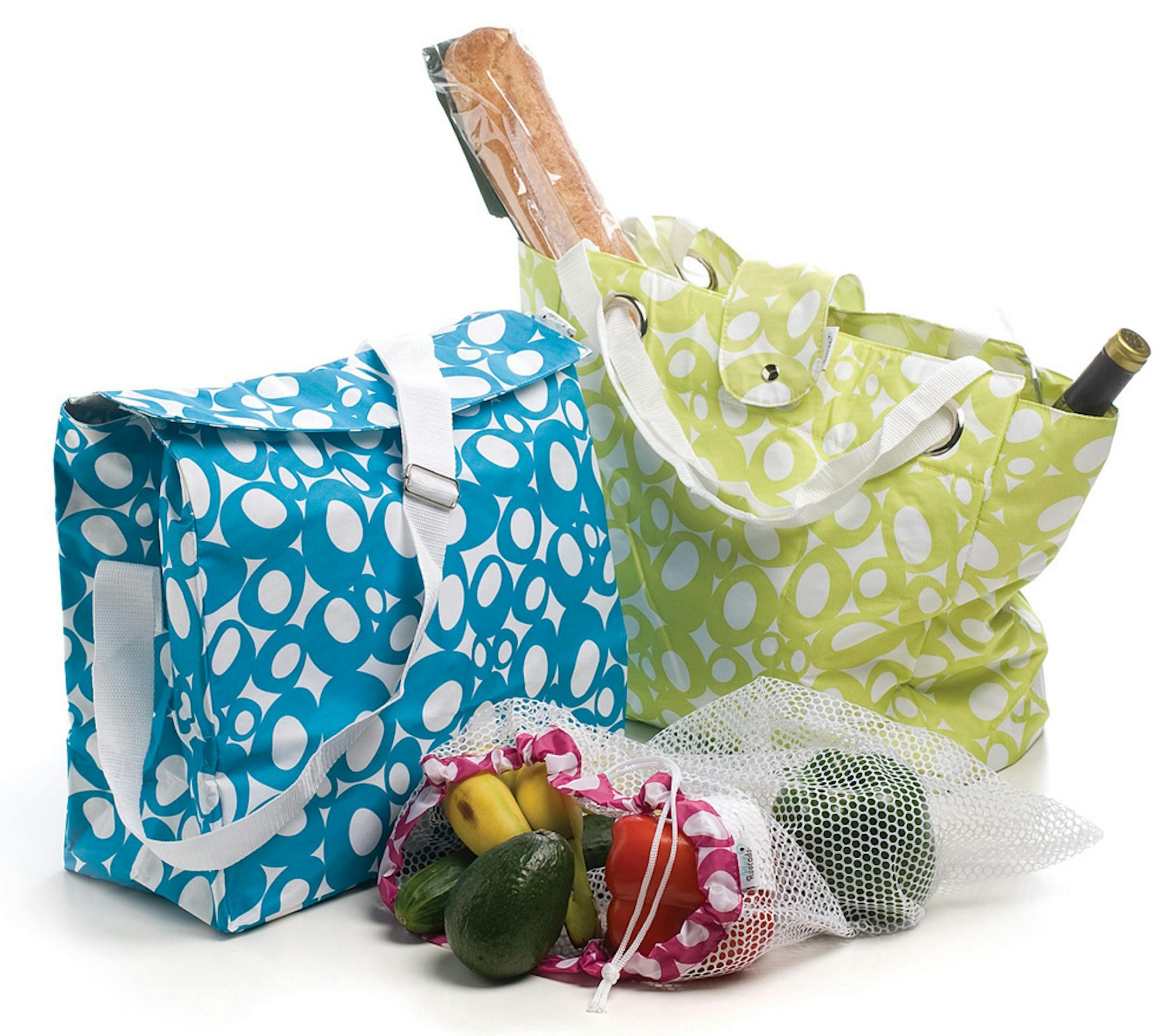
Conservatives often point out that laws, no matter how benign they may appear, have unintended consequences. They can reverberate in ways that not many people foresaw and nobody wanted: Raising the minimum wage can increase unemployment; prohibition can create black markets.
The efforts in many cities to discourage the use of plastic bags demonstrate that such unintended consequences can be, among other things, kind of gross.
San Francisco has been discouraging plastic bags since 2007, saying that it takes too much oil to make them and that used bags pollute waterways and kill marine animals. In 2012, it strengthened its law. Several West Coast cities, including Seattle and Los Angeles, have also adopted bans for environmental reasons.
The government of Washington, D.C., imposes a 5-cent plastic-bag tax. (Advocates prefer to call it a "fee" because taxes are unpopular.) Environmental groups and celebrity activists, including Eva Longoria and Julia Louis-Dreyfus, support these laws.
The plastic-bag industry, predictably, wants to throw them away. It says that the making of plastic bags supplies a livelihood to 30,000 hardworking, law-abiding, patriotic Americans, many of whom have adorable children to support. It cites a 2007 report by San Francisco's Environment Department that said plastic bags from retail establishments, the target of the ban, accounted for only 0.6 percent of litter.
Most alarmingly, the industry has highlighted news reports linking reusable shopping bags to the spread of disease. Like this one, from the Los Angeles Times last May: "A reusable grocery bag left in a hotel bathroom caused an outbreak of norovirus-induced diarrhea and nausea that struck nine of 13 members of a girls' soccer team in October, Oregon researchers reported Wednesday." The norovirus may not have political clout, but evidently it, too, is rooting for plastic bags.
Warning of disease may seem like an over-the-top scare tactic, but research suggests there's more than anecdote behind this industry talking point. In a 2011 study, four researchers examined reusable bags in California and Arizona and found that 51 percent of them contained coliform bacteria.
The problem appears to be the habits of the reusers. Seventy-five percent said they keep meat and vegetables in the same bag. When bags were stored in hot car trunks for two hours, the bacteria grew tenfold.


