

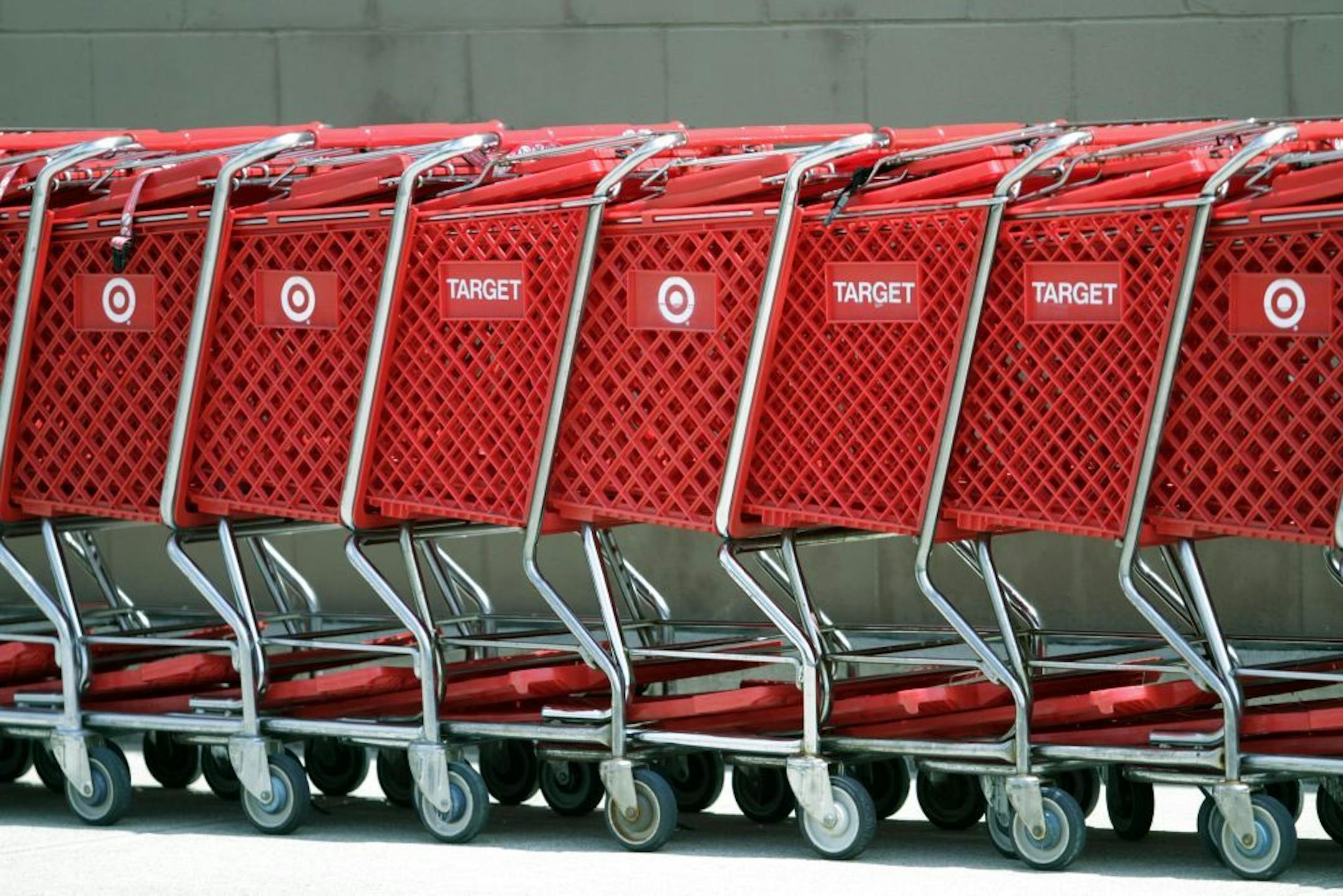
Target wrote the book on targeting.
The retail giant utilizes what's called "predictive analytics" to influence the purchasing habits of its customers. And now, that same level of sophistication is shaping our political campaigns as they seek to drive their vote to the polls Nov. 6.
Two books tell the story when read in tandem. The first is Charles Duhigg's "The Power of Habit: Why We Do What We Do in Life and Business," which reveals how Target assigns its clients a code, referred to internally as a Guest ID, which tracks what we buy. What data does Target collect? Age. Marital status. Home address and commute time to the store. Credit card preference. And Web choices, to name a few.
This can be powerful information if used together with other details that are available for purchase, including "ethnicity, job history, the magazines you read, if you've ever declared bankruptcy or gotten a divorce, the year you bought (or lost) your house, where you went to college, what kinds of topics you talk about online, whether you prefer certain brands of coffee, paper towels, cereal or applesauce," Duhigg wrote for the New York Times Magazine earlier this year.
"In the last decade or so, our understanding of the science of habit formation has been completely transformed," he told me in a subsequent interview in March.
Here's a practical application: Duhigg says Target can sometimes determine when a customer is expecting a baby even if the woman never disclosed that information to the retailer, much less her family. How? By tracking purchases of unscented lotion, vitamins such as magnesium and zinc, washcloths, and cotton balls. The arrival of a newborn is one of the rare instances when purchasing habits are up for grabs and, if those patterns can be influenced, it becomes very profitable because, Duhigg told me, most of our "decisions ... are actually habits."
When I said data mining could have great applicability to the political process, he said: "It's funny you should mention that." Duhigg told me that the Obama campaign had hired a chief scientist who comes from the habit-formation world. Hmmm.
Which brings me to Sasha Issenberg and his new book, "Victory Lab: The Secret Science of Winning Campaigns," or as Politico calls it, "the Moneyball of Politics."


