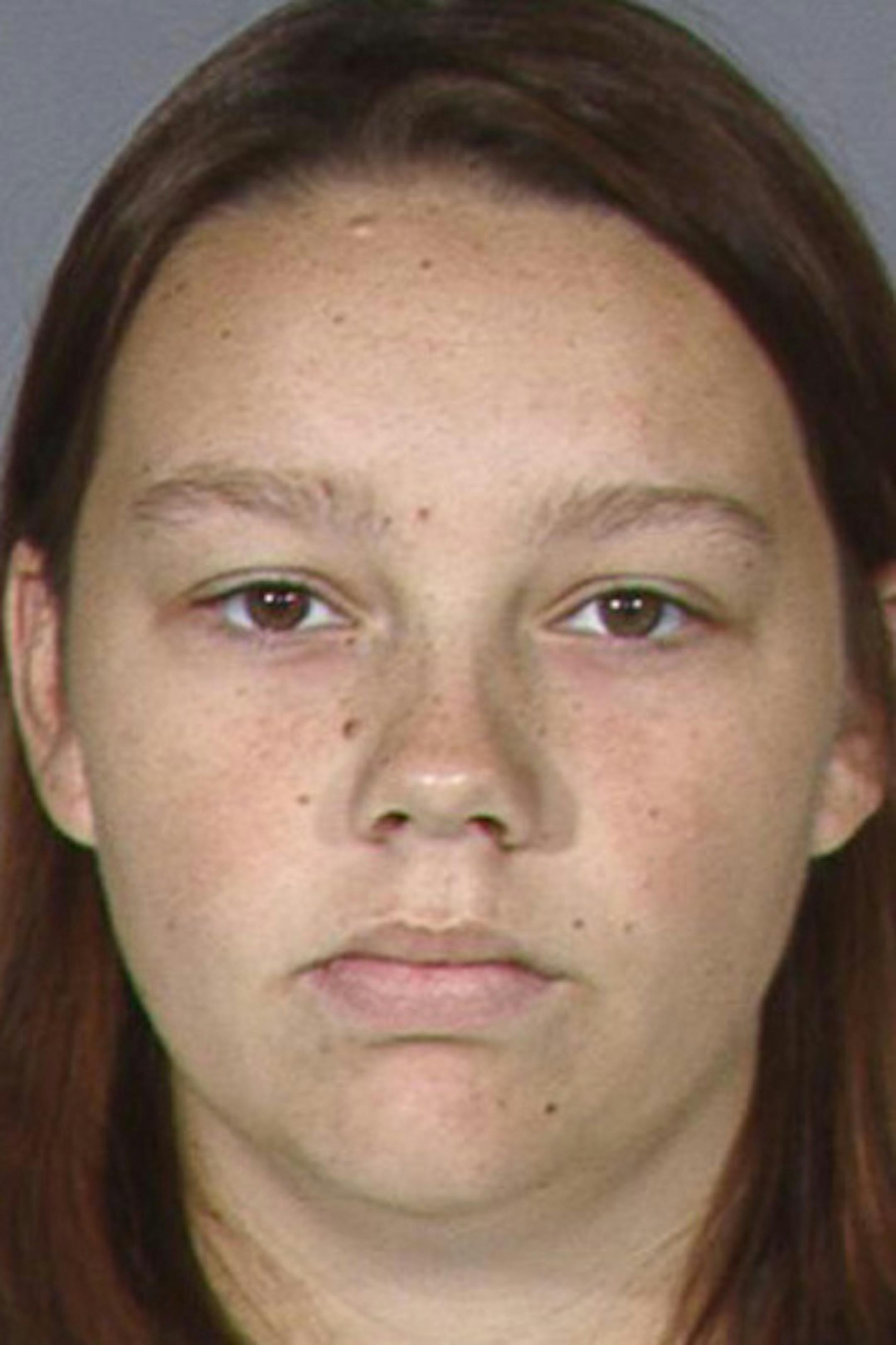
A Minnesota teenager sent to prison for life after being convicted of killing her newborn baby rejected a plea offer Friday that could have freed her within seven years.
Nicole Marie Beecroft, then a 17-year-old high school senior in Oakdale, was sentenced in 2008 to mandatory life in prison without parole for stabbing the infant girl as many as 135 times before tossing her body into a trash can. She goes to trial Monday on the original first-degree murder indictment, but with hope of a different outcome.
Had Beecroft and her attorneys taken the offer from the Washington County attorney's office, she would have pleaded guilty to a lesser charge of second-degree intentional homicide. The rejection left prosecutors shaking their heads, but defense attorney Luke Stellpflug said after the pretrial hearing that additional expert witnesses who hadn't testified in the first trial would prove that the baby was born dead and Beecroft will be acquitted.
What happens in the Washington County courtroom this coming week will be watched closely in Minnesota because the Beecroft case is considered a textbook example of the type of case affected by a recent U.S. Supreme Court opinion that cast doubt on mandatory sentences for teenagers who commit murder. While not excluding mandatory sentences, the ruling said courts must weigh mitigating factors of youth before imposing sentences.
"It has ripples in the criminal justice system throughout the country," Fred Fink, chief of the criminal division in the Washington County attorney's office, said of the high court's Miller vs. Alabama ruling.
Last year, a divided Minnesota Supreme Court ordered a new trial for Beecroft in Washington County on grounds that interference from the Dakota County attorney and a medical examiner not connected with the case undermined her defense. At issue was whether other medical examiners they discouraged from testifying in her first trial could have shown that the baby was born dead, thereby negating the murder indictment.
"The state can't prove live birth without reasonable doubt," Stellpflug said after Friday's hearing. "This time justice will prevail."
Beecroft opted for a bench trial before Chief District Judge John Hoffman, which gives her another chance at avoiding a conviction. If she's again found guilty, Hoffman then would explore a sentence through the prism of the U.S. Supreme Court ruling. He said in a hearing in January that the court could impanel a sentencing hearing as "a necessary remedy" to explore constitutional questions raised in Miller vs. Alabama about how children are different from adults when they commit crimes.