LEIPZIG, Germany – Twenty-five years ago, this city was the center of protests that exploded across communist East Germany and ultimately brought down the hard-line regime of Erich Honecker and then the Berlin Wall.
Back then, the few people who owned cars mainly drove Trabants running on a stinking mix of gasoline and oil. There were strip mines on the edges of the city. The airport was a third-rate East Bloc hub served by Soviet Aeroflot and the not-at-all-lamented East German national airline, Interflug.
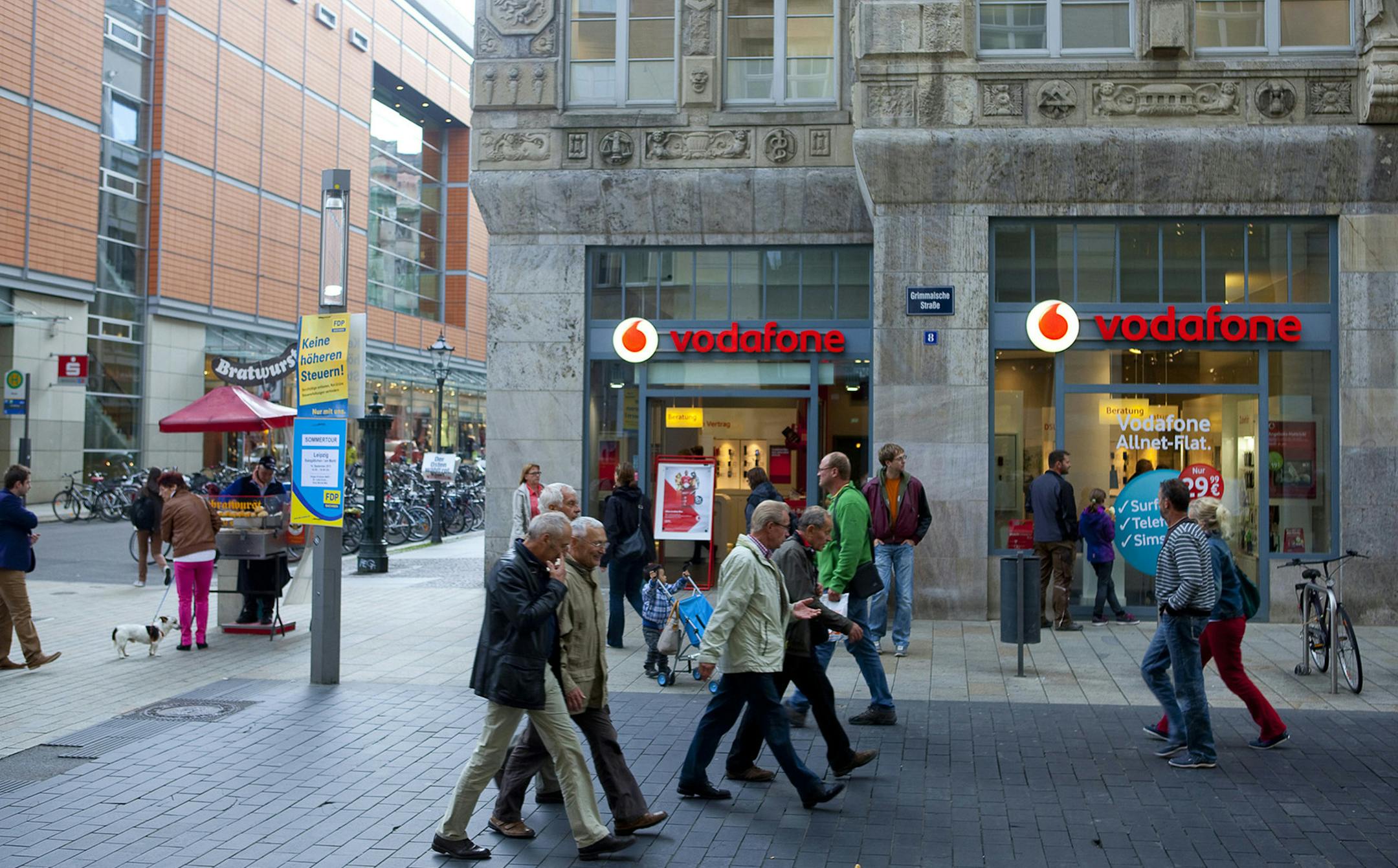
"The city was crumbling, grim and gray," said Dietmar Busse, 48, a Leipzig resident who took part in the 1989 anti-Communist protests and is now a construction engineer for TAG Immobilien. "All the roads were kaput except the one used by Honecker for the two international trade fairs each year. They'd paint the facades and plant flower beds along it so he'd have a nice Potemkin village.
"We used to joke that the airport was a country landing strip," Busse continued.
A quarter of a century later, the Leipzig airport operates 24 hours a day as the European hub for global flights by Deutsche Post's DHL parcel and airfreight service.
In December, DHL began a $206 million expansion that will double the facility's size.
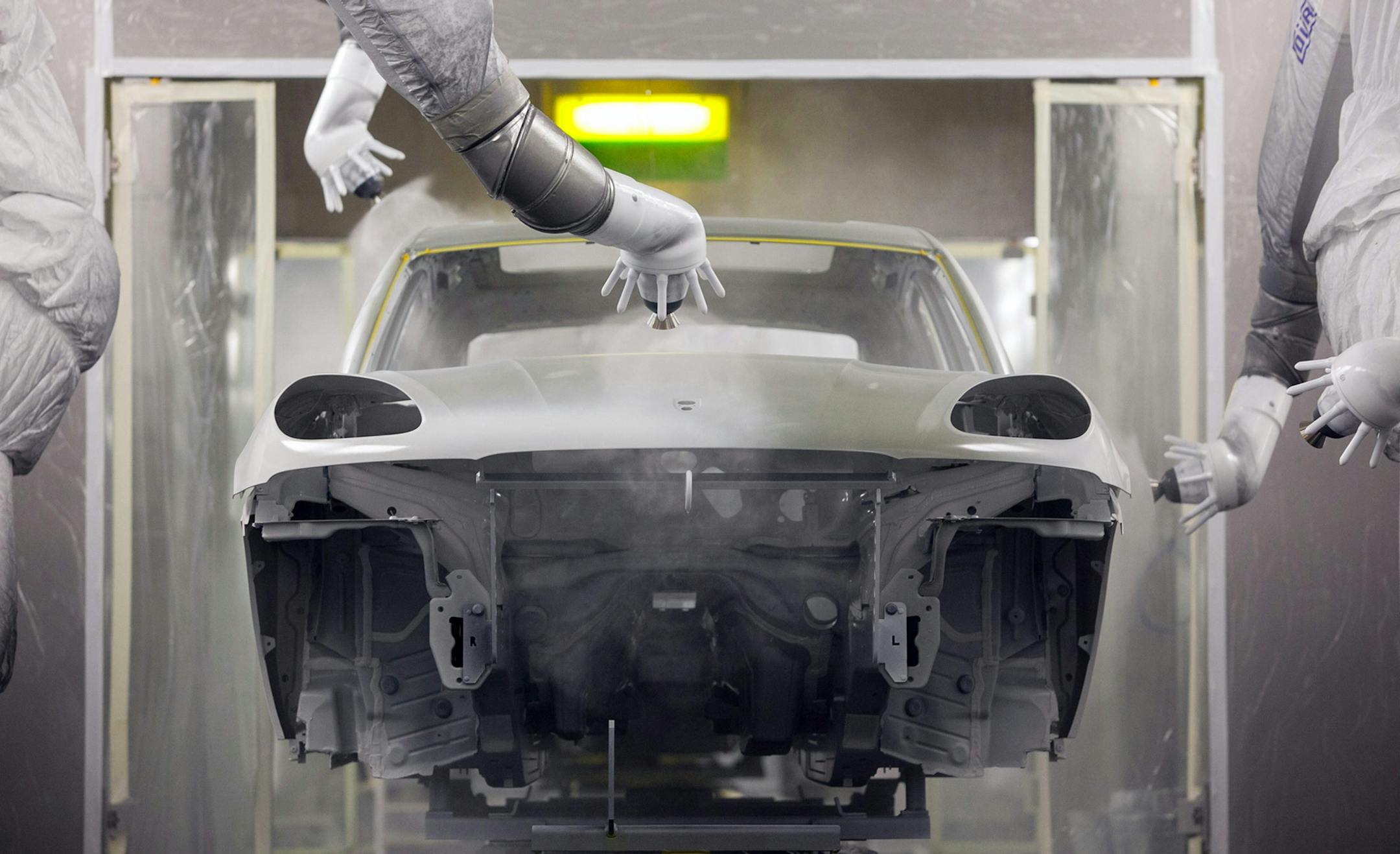
As for automotive culture, Leipzig is now home to a Volkswagen factory producing the Porsche Cayenne SUV and the new Macan SUV. Down the road, there's a BMW plant churning out four BMW models, including the i3 electric car.
Other stories of renewal
Leipzig is only one story of renewal in the East since the reunification of Germany in 1990. Dresden is another, Potsdam another, Jena another. The transformation of the East hasn't been easy, and, above all, it hasn't been cheap: Public investment in the East since 1990 has reached 1.8 trillion euros — an amount roughly equal to Germany's gross domestic product at the time of reunification.