Yosemite's granite cliffs are 'breathing' and falling from heat

April 2, 2016 at 12:00AM
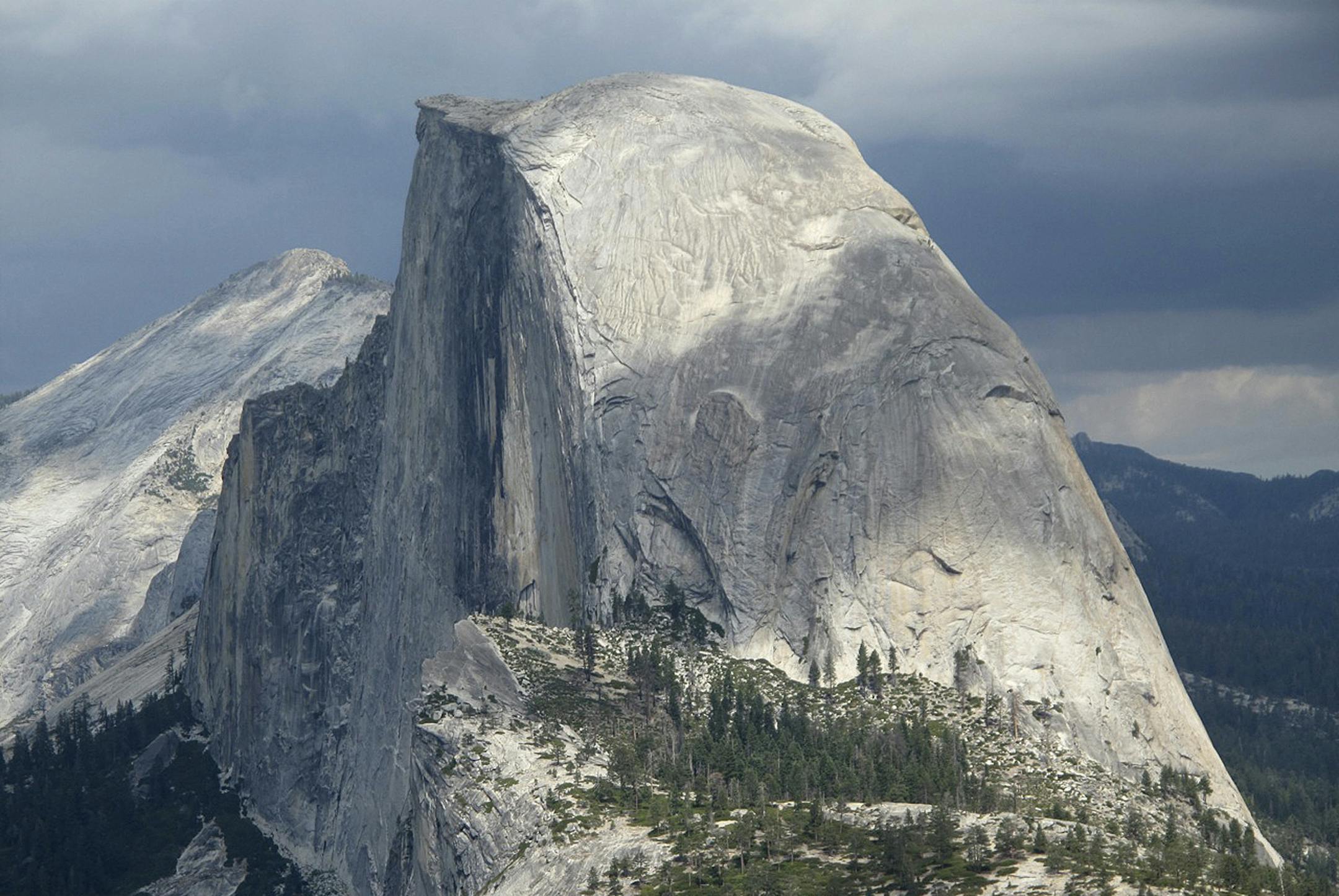
FILE - This August 2011 file photo shows Half Dome and Yosemite Valley in a view from Glacier Point at Yosemite National Park, Calif. A massive sheet of rock has fallen from the vertical face of Half Dome in Yosemite National Park, making one of the most popular routes attempted by climbers in North America even more challenging, park officials said Tuesday, July 7, 2015. (AP Photo/Tracie Cone, File)
FILE - This August 2011 file photo shows Half Dome and Yosemite Valley in a view from Glacier Point at Yosemite National Park, Calif. A massive sheet of rock has fallen from the vertical face of Half Dome in Yosemite National Park, making one of the most popular routes attempted by climbers in North America even more challenging, park officials said Tuesday, July 7, 2015. (AP Photo/Tracie Cone, File) (The Minnesota Star Tribune)

The domes and arches etched into Yosemite's famed granite cliffs may seem frozen in time, but in reality they're constantly moving.

The dramatic rock formations were formed as layers of rock peeled away from the mountainside, like an onion. The flakes remain attached at a few points but are completely hollow in the middle. In Yosemite, these precarious attachments — geologists call them "exfoliations" — fall at a rate of one a week, on average. Most often, they collapse because water repeatedly freezes and thaws in the cracks, destabilizing the cliffs. Sometimes they fall apart during an earthquake.

Other times though, rockfalls happen on sunny days. Now geologists from the U.S. Geological Survey and the National Park Service have found a potential cause for the seemingly spontaneous rockfalls: heat. As the temperature rises from morning to afternoon, the thin outer layer of rock moves ever so slightly away from the cliff, then returns as the evening cools.

A pair of geologists collected evidence for this idea in the park's Royal Arches, a cliff overlooking Yosemite Valley. For 3.5 years, Brian Collins of USGS's landslide hazards program and Greg Stock of the park service monitored a 19-meter-tall exfoliation that clings to a near-vertical cliff.

Their measurements revealed that a 20-metric ton wall of granite can move about one a centimeter a day.

"We look around the landscape and we see thousands and thousands of these flakes and we have to assume they're all moving," Collins said. "They're kind of breathing."

As the cliffs inhale and exhale, the tips of the cracks weaken. Over time, the cracks open wider and heat stress can prompt the rock to fall.

Los Angeles Times
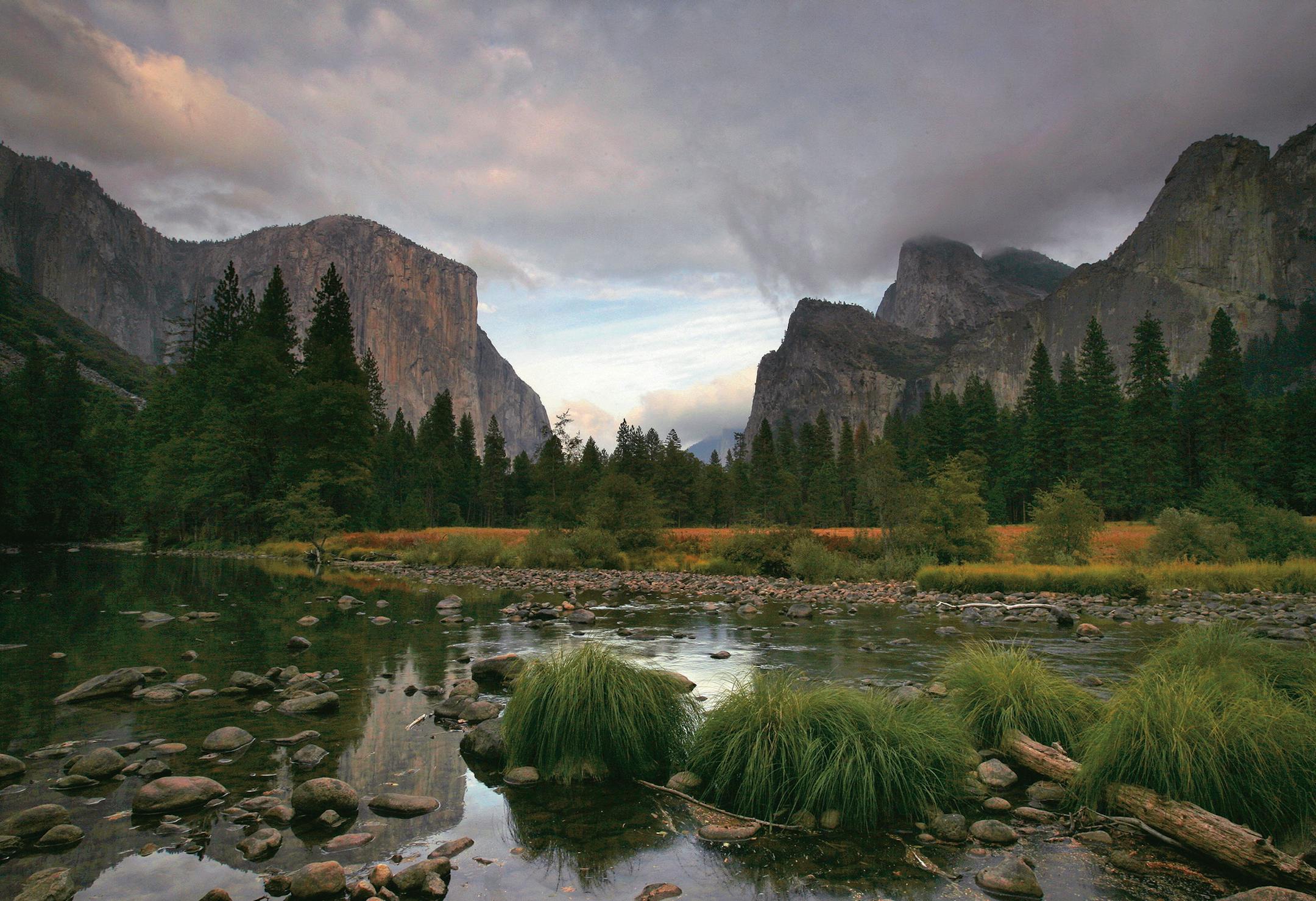

A view of Cathedral Rocks in Yosemite, Calif. (Mark Boster/Los Angeles Times/TNS) ORG XMIT: 1180216
As the temperature rises at Yosemite, the thin outer layer of rock moves ever so slightly away from the cliff. (The Minnesota Star Tribune)
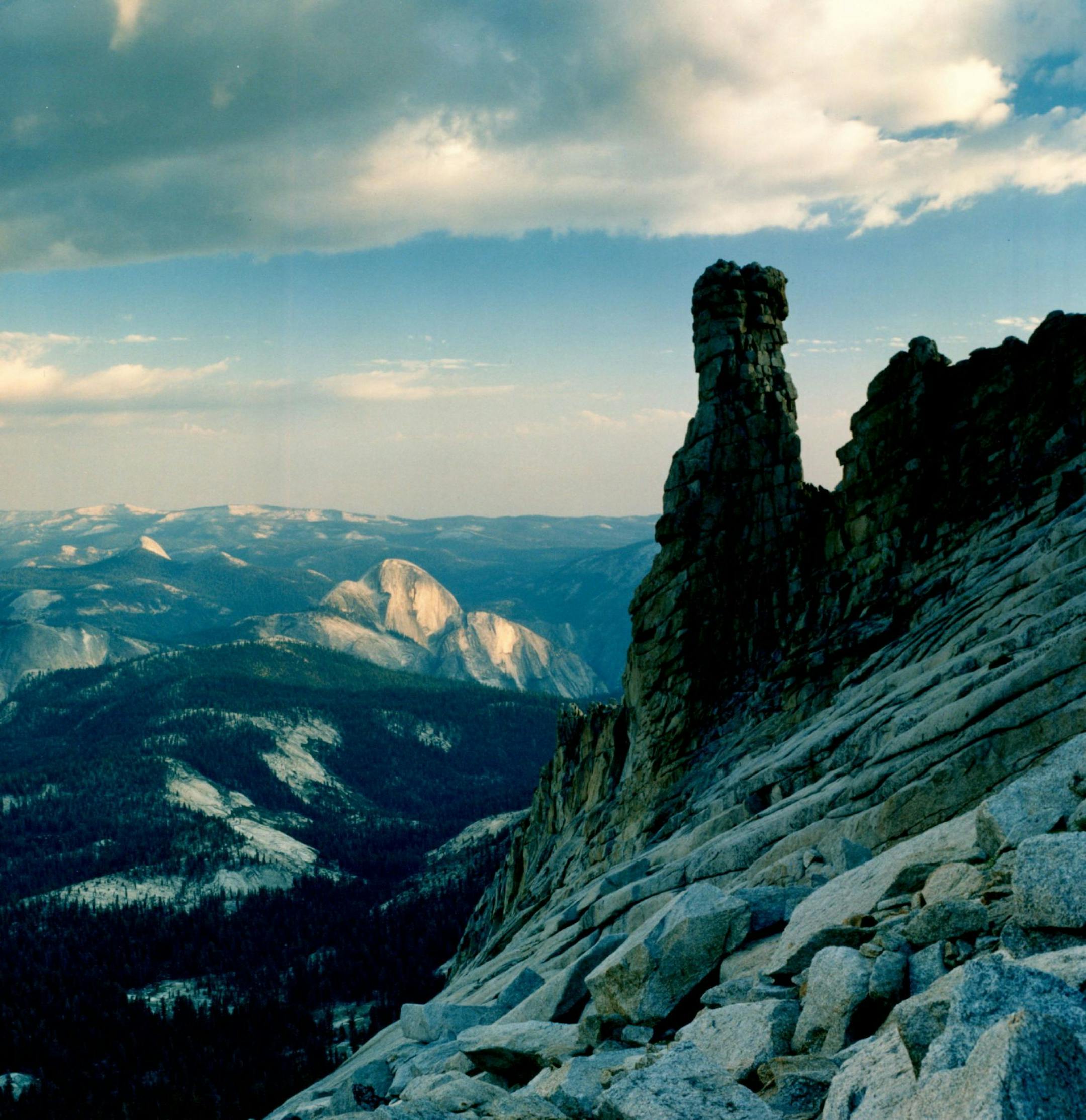
January 1991 Naturalist John Muir was particularly fond of Mount Hoffman, which stands nearly at the geographic center of Yosemite National Park, and its summit does offer stunning views in every direction. (MUST CREDIT: Los Angeles Times Photo by Anacleto Rapping) Illustrates YOSEMITE-MUIR (category l), by Bill Stall (Times). Moved Monday, Oct. 15. (c) 1990, Los Angeles Times Anacleto Rapping, Los Angeles Times - Washington Post News Service
January 1991 Naturalist John Muir was particularly fond of Mount Hoffman, which stands nearly at the geographic center of Yosemite National Park, and its summit does offer stunning views in every direction. (MUST CREDIT: Los Angeles Times Photo by Anacleto Rapping) Illustrates YOSEMITE-MUIR (category l), by Bill Stall (Times). Moved Monday, Oct. 15. (c) 1990, Los Angeles Times Anacleto Rapping, Los Angeles Times - Washington Post News Service (The Minnesota Star Tribune)
about the writer

about the writer

More from No Section

See More
FILE -- A rent deposit slot at an apartment complex in Tucker, Ga., on July 21, 2020. As an eviction crisis has seemed increasingly likely this summer, everyone in the housing market has made the same plea to Washington: Send money — lots of it — that would keep renters in their homes and landlords afloat. (Melissa Golden/The New York Times) ORG XMIT: XNYT58
Melissa Golden/The New York Times

It’s too soon to tell how much the immigration crackdown is to blame.