Keeping a bicycle balanced and rolling puts stress and strain on the body. But riders can prepare, and recover, with the right exercises.
As more people use bikes to commute, to exercise and to socialize, they may find themselves with aches and pains that were considered par for the course when riding was occasional but can nag and discourage when it's counted on as transportation or recreation.
From 2000 to 2013, the number of U.S. bike commuters grew by about 60 percent, according to the League of American Bicyclists, an advocacy group. From 1999 to 2009, the number of U.S. bicycle trips jumped from 1.8 billion to 4 billion per year, according to the federal Bureau of Transportation Statistics, which also found in 2012 that the average length of a bicycle trip was slightly more than an hour.
Biking, like running, is good aerobic exercise, said Bob Oppliger, a retired exercise science researcher at the University of Iowa, and it has the advantage of causing less stress on the joints.
"Physical activity in and of itself is good," he said. "Biking is particularly good for those who are overweight," but the static position of cycling can cost the body in lost strength and flexibility.
Hunching over handlebars while perched on a narrow seat, pedaling constantly and holding up the head to watch the road take a toll on muscles from the neck to the feet, the spine and back.
Getting a bike that fits the rider's frame and range of motion is important, but so is developing habits to restore the body after a strenuous workout and to build endurance for the next one.
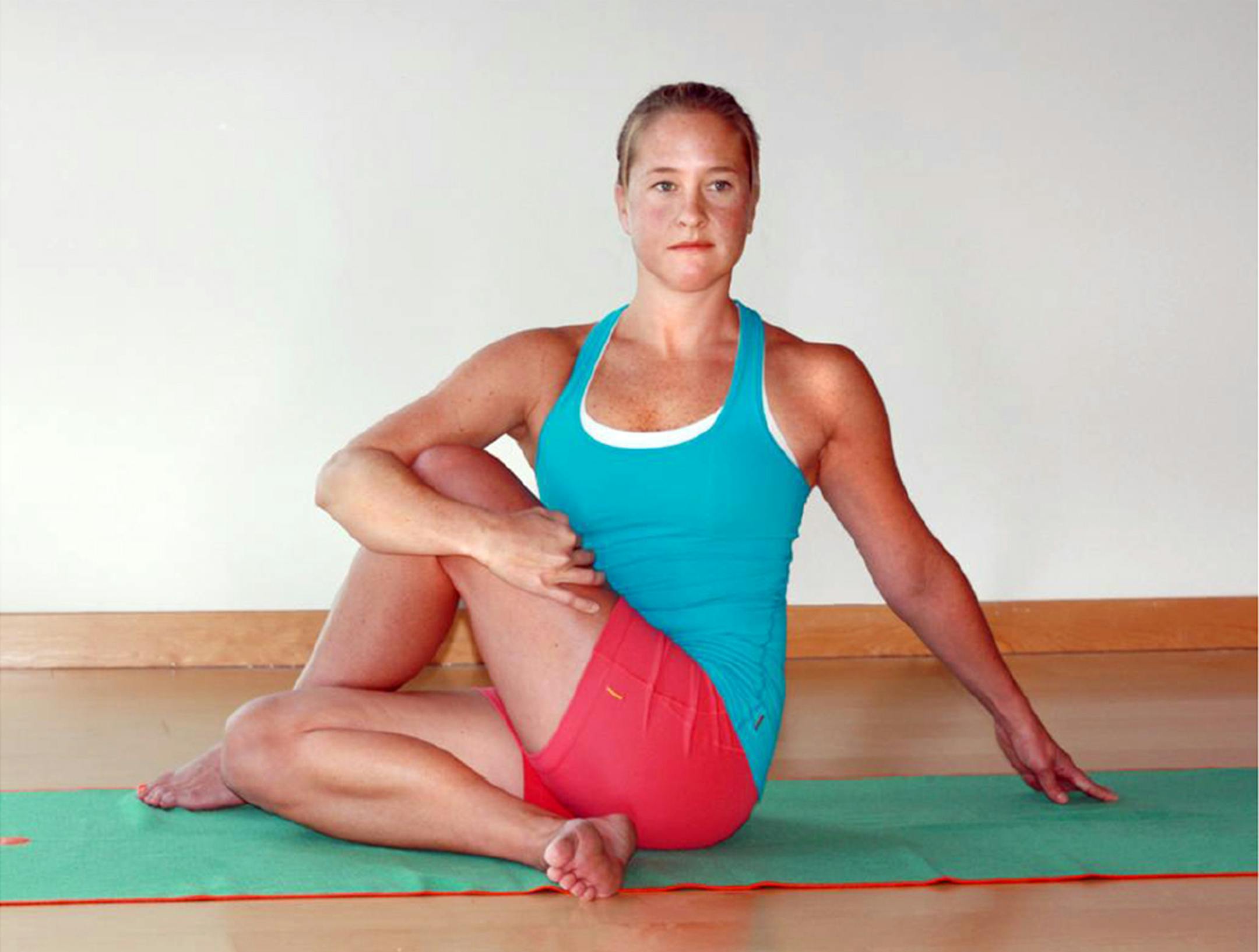
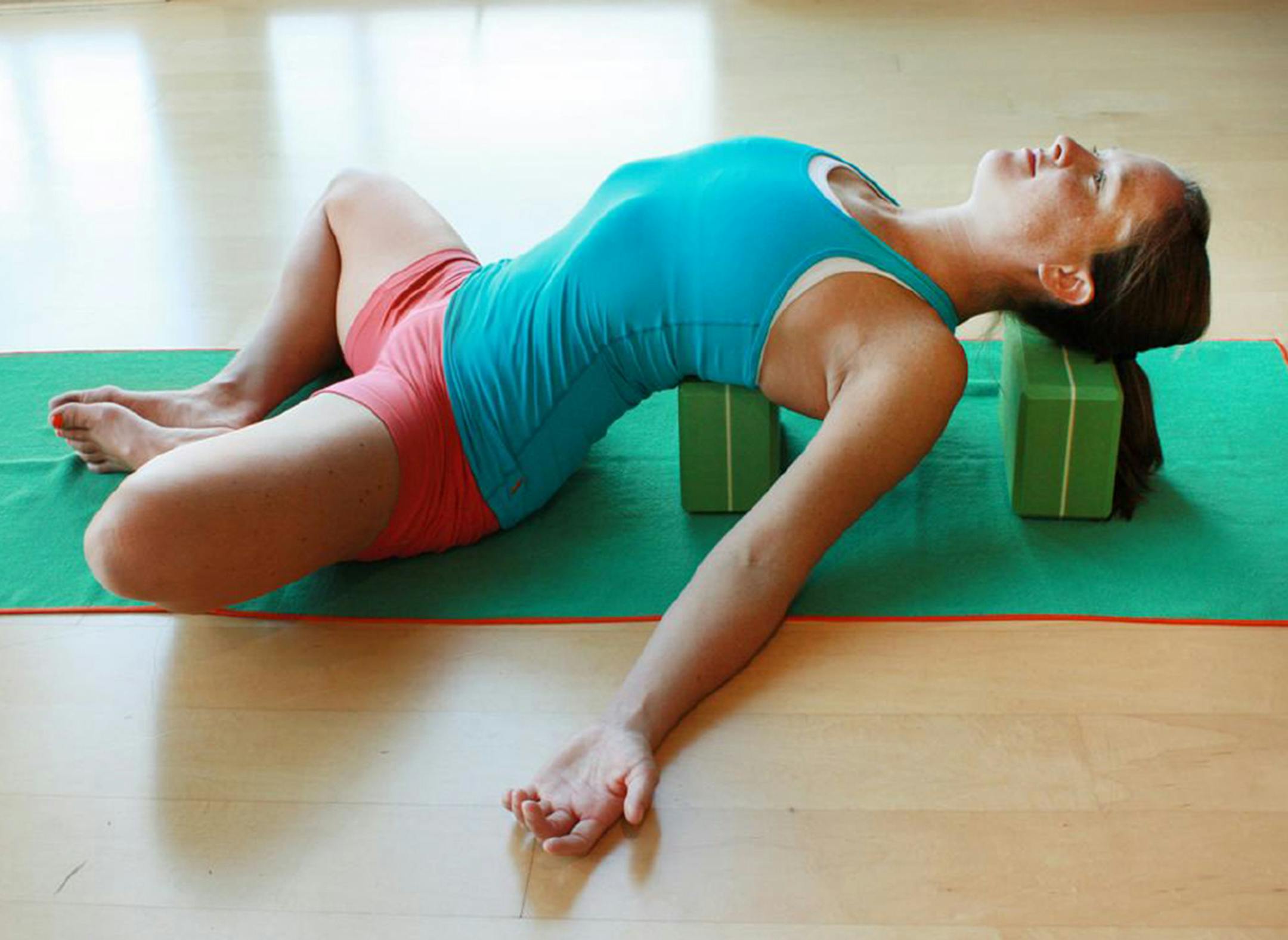
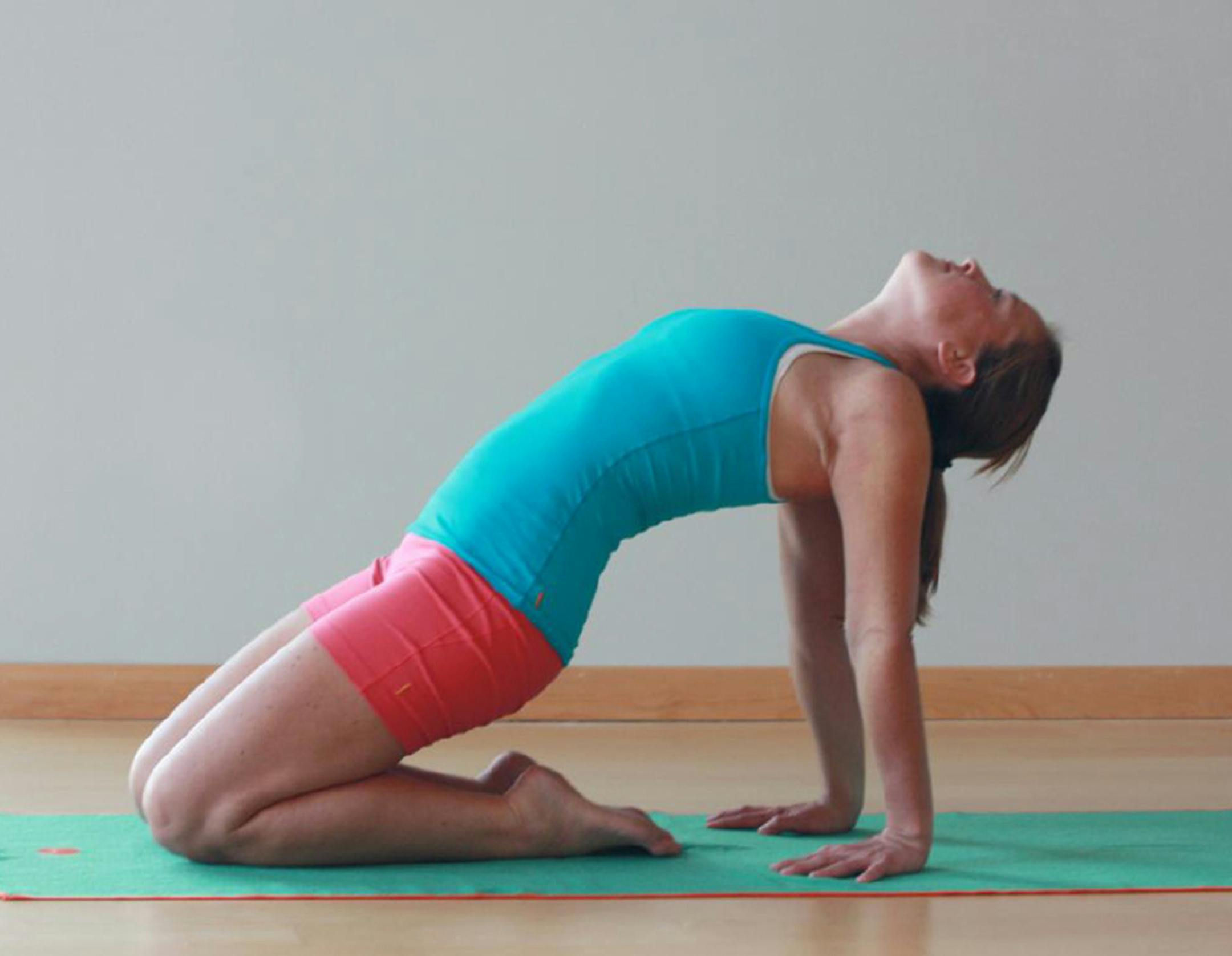
'Stripped down' poses
Uma Kleppinger, who was a competitive cyclist and now is taking up BMX racing as she's about to turn 49, believes yoga adapted for the particular repetitive strains of cycling can keep riding fun and healthful.