Sometimes the tiniest things can make a big difference.
Take the lentil. One little lentil, smaller than a pencil eraser, seems inconsequential. But plant that lentil, and you can feed the world.
That's the idea behind the latest effort by the U.N. Food and Agriculture Organization which has designated 2016 as the International Year of Pulses.
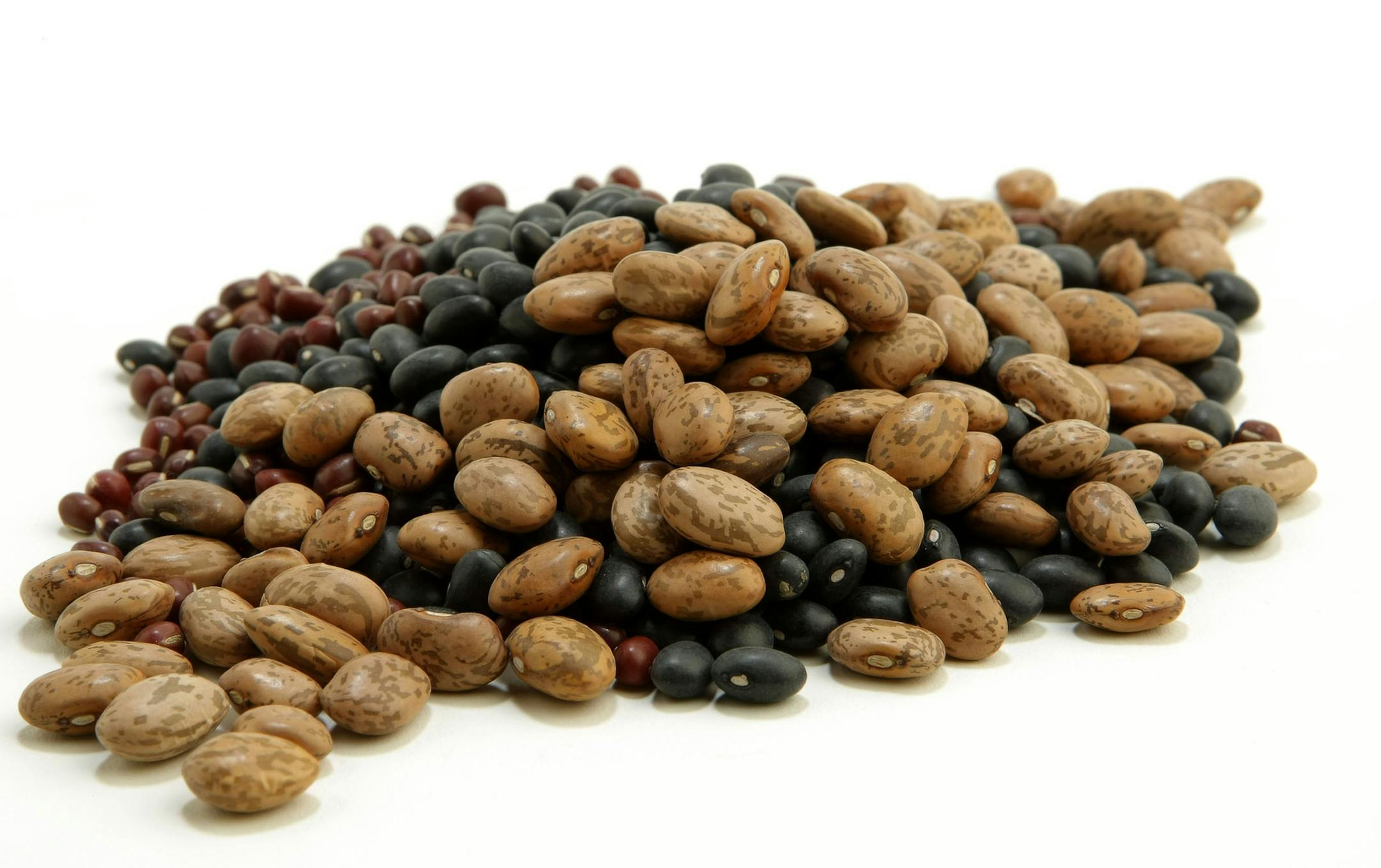
"Pulse" refers to all dried beans, lentils, peas and chickpeas.
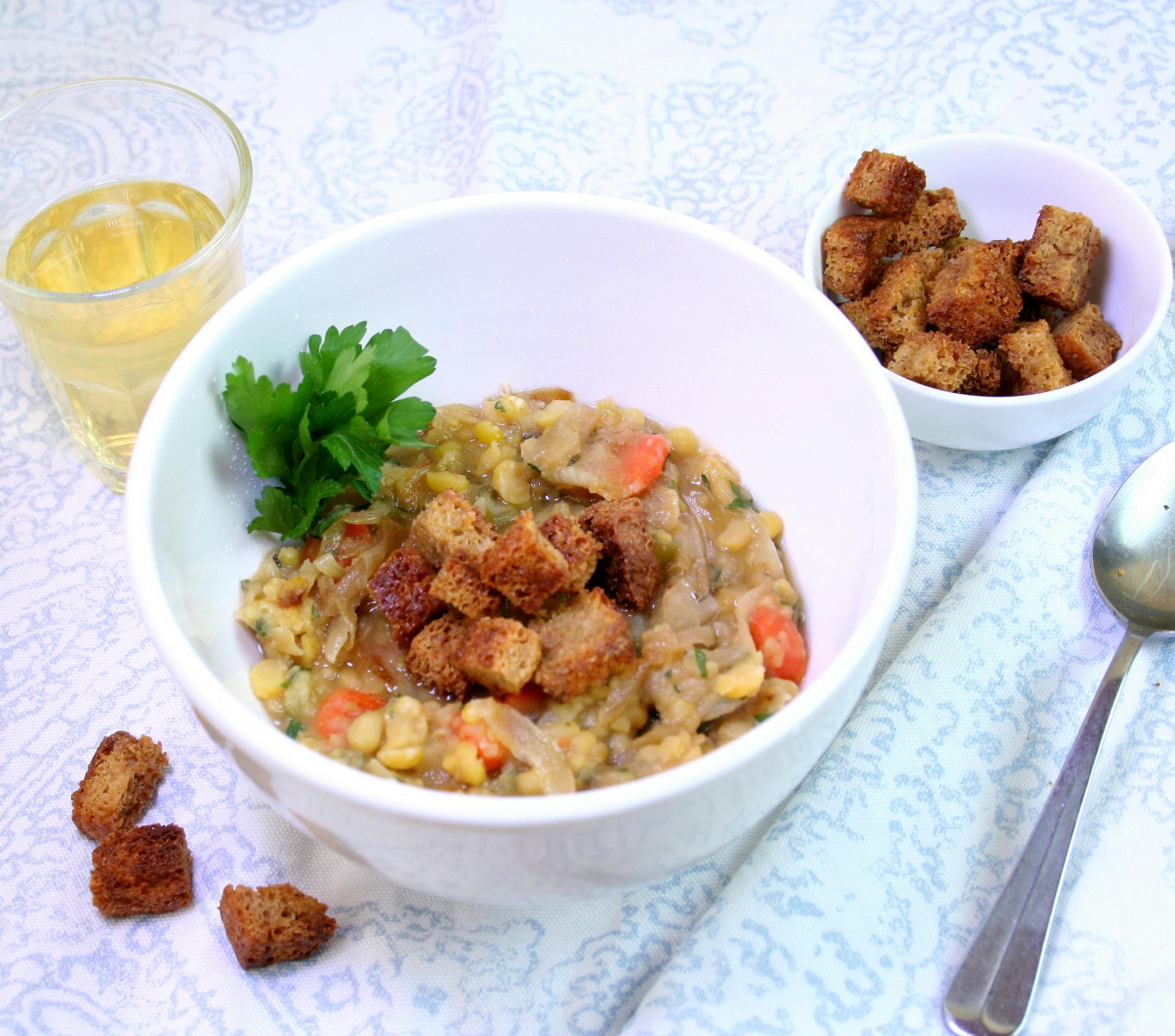
Yes, dried beans are getting a whole year of stardom. From the creaminess of the white bean to the nutty heft of the chickpea, to the comforting sweetness of a split pea, the crowd-pleasing tastes and textures of pulses are taking center stage.
Pulses, in all their humble glory, may well be the answer to the growing need for protein, as our global population continues to expand. Growing them is very sustainable, in part because legume plants have the added bonus of putting nitrogen into the soil. They actually fertilize the field as they provide a crop.
In many Third World countries, where small independent farmers grow pulses, the farming can keep them from poverty.
Here in the U.S., where heart disease is still the leading cause of death, pulses offer cholesterol-lowering, high-fiber goodness in an inexpensive package. According to the U.S. Department of Agriculture, a serving of lentils costs 10 cents, compared with beef at $1.49, pork at 73 cents and chicken at 63 cents. Pulses are also good sources of iron, potassium, folate and antioxidants.