

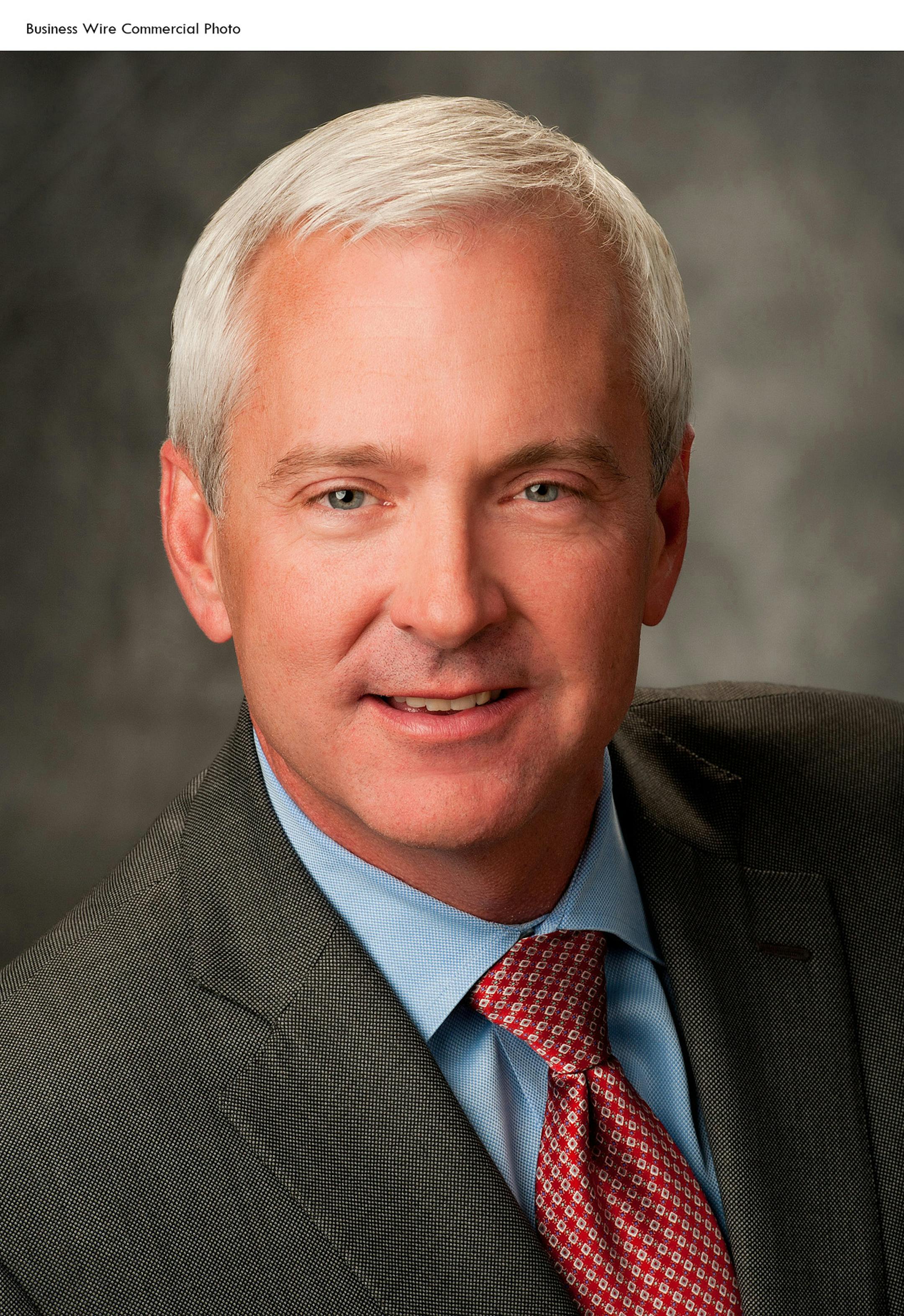
WASHINGTON – Private employers and armed forces members need to bridge a gap between military and civilian job descriptions to boost veterans' employment, Xcel Energy Inc. CEO Ben Fowke told a congressional committee Wednesday.
The leader of the Minnesota-based utility giant wants to use veterans of the wars in Iraq and Afghanistan to help address significant worker turnover Xcel expects in the next decade.
But to do so, Fowke told the Senate and House Joint Economic Committee, veterans must learn to explain how their military experience equates to jobs such as "linesmen and women, plant operation and maintenance workers and engineers."
Those are all jobs that Xcel would like to fill with military veterans in the coming years as its aging workforce retires, Fowke explained at a hearing focused on finding ways to drive down unemployment among those who have left the military since the 2001 terrorist attacks.
In 2012, veterans who left the military since the attacks had an unemployment rate of 9.9 percent, compared with 7 percent for veterans generally and the national unemployment rate of 8.1 percent. In Minnesota, post-9/11 vets had an unemployment rate of 14.1 percent in 2012, compared with 6.8 percent for veterans overall and a state unemployment rate of 5.6 percent.
While the 2012 unemployment figures are down for recent veterans, committee co-chairwoman Sen. Amy Klobuchar, D-Minn., said they need to go lower. Klobuchar and Rep. Erik Paulsen, R-Minn., oversaw Wednesday's hearing, which focused on ways to translate military experience into civilian skill sets.
"The military has a job title, a job classification, which may not intuitively translate to 'That's an electrician,' " Fowke said in an interview. "We're trying to encourage both sides to take the extra step and realize, 'That skill is just like this skill.' "
A key gap in hiring veterans, he testified, "has been the ability to translate military skills to civilian job requirements, with the veteran unable to articulate his or her experience ... and our hiring leader unable to recognize the military experience they have and how it is comparable to the work we do."


